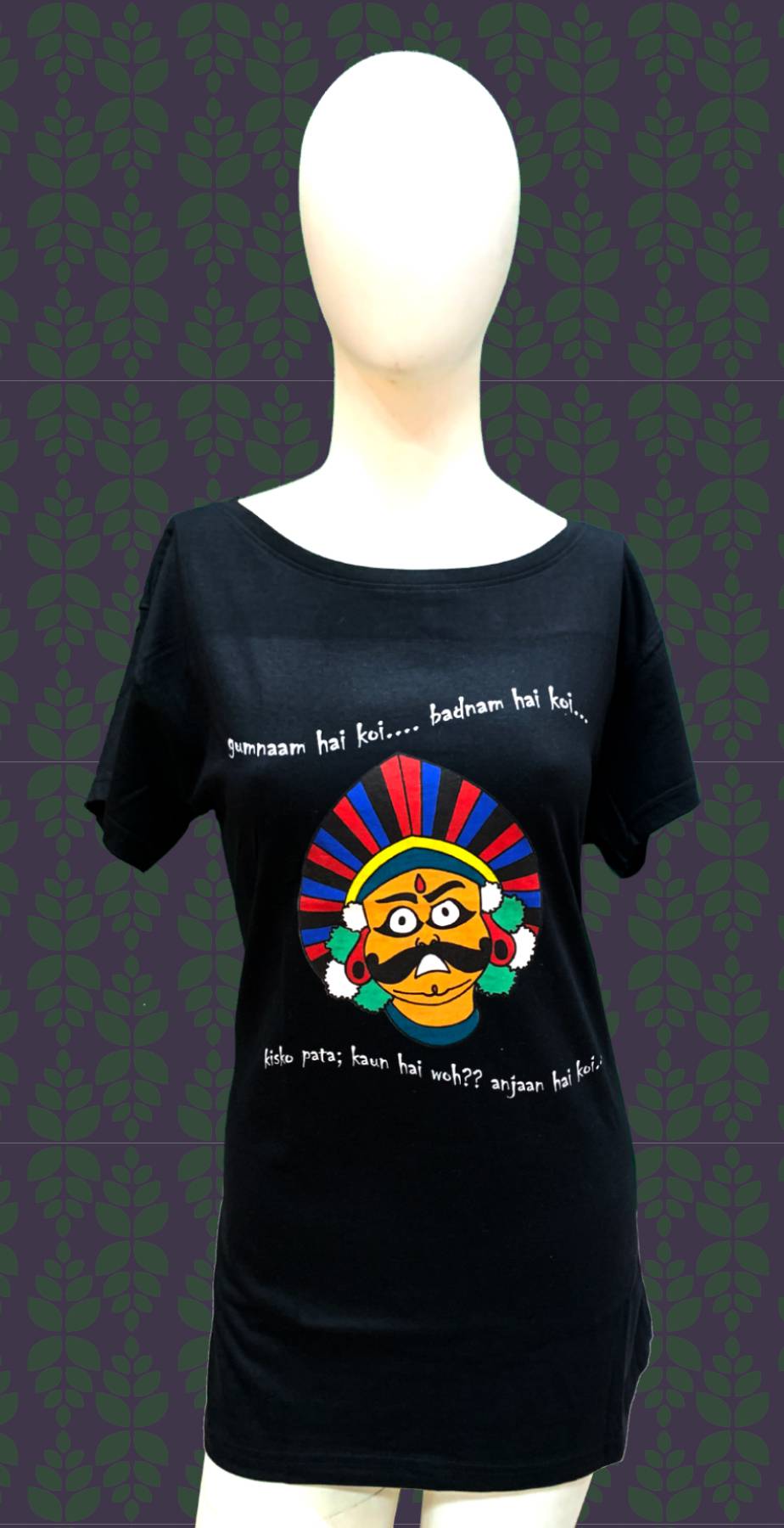
Dissertation
A study on adaptation of Traditional Yakshagana Art Form to its Digital Form
Yakshagana, multi-dimensional folk theatre, popular in the coastal areas of Karnataka that has carved a unique niche in the cultural map of India with its history of about 800 years which is both acoustically and visually like an opera tells its story through expressions of song, dance, face & body language, stage techniques, resplendent costumes, headdresses, and painted faces which they themselves would have painstakingly painted making it one of the most effective medium of communication. The actors depict the story through their actions and lexes.
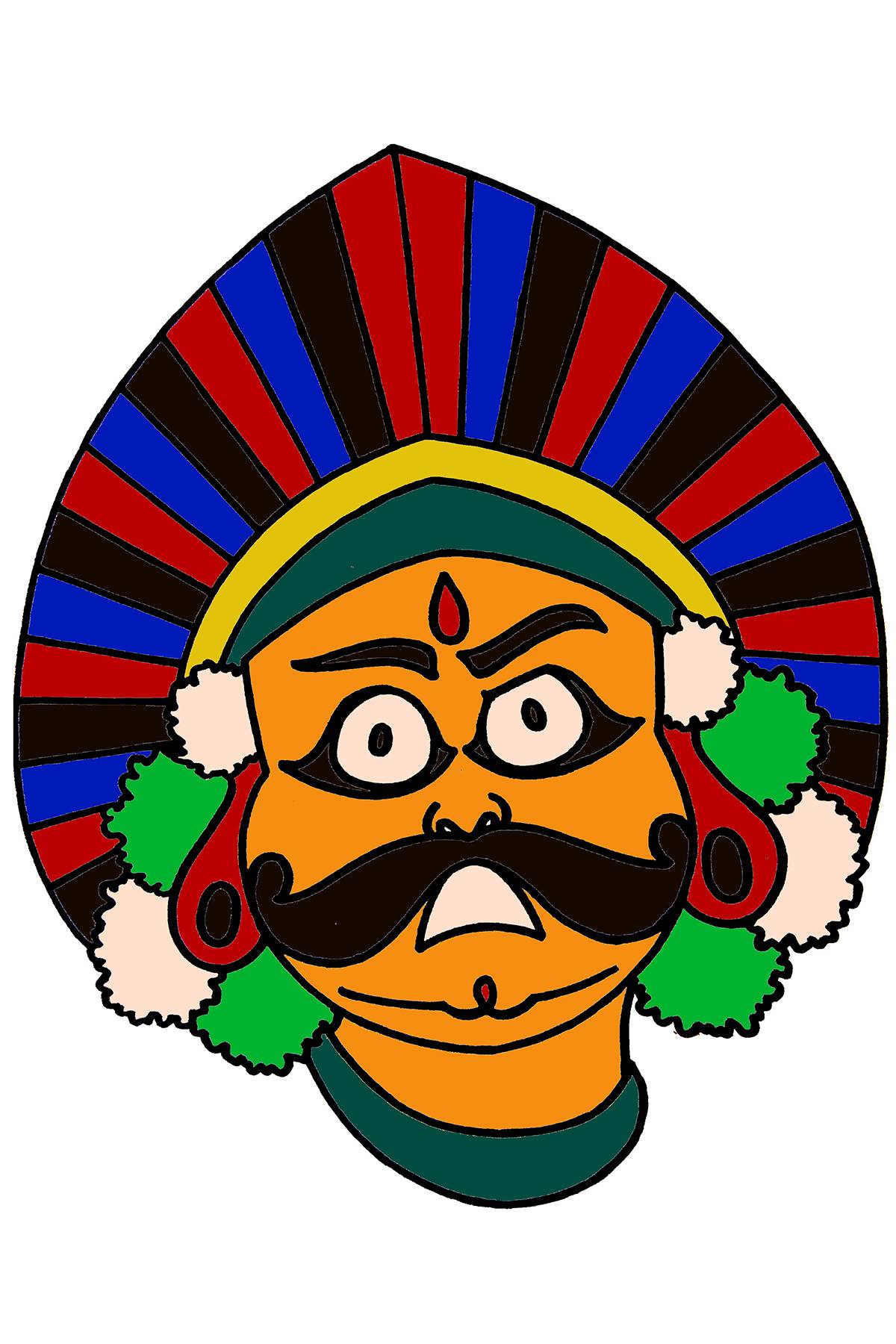
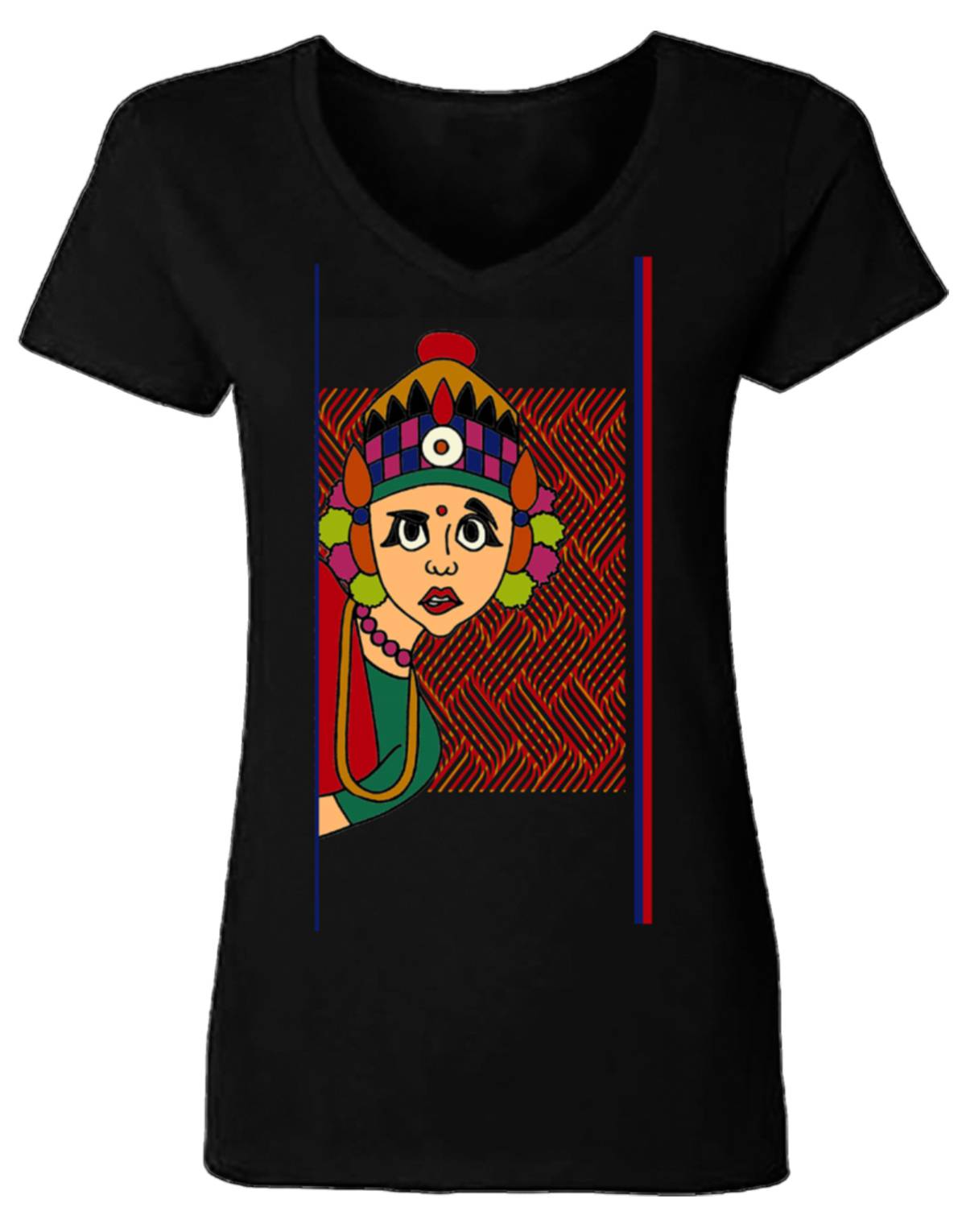
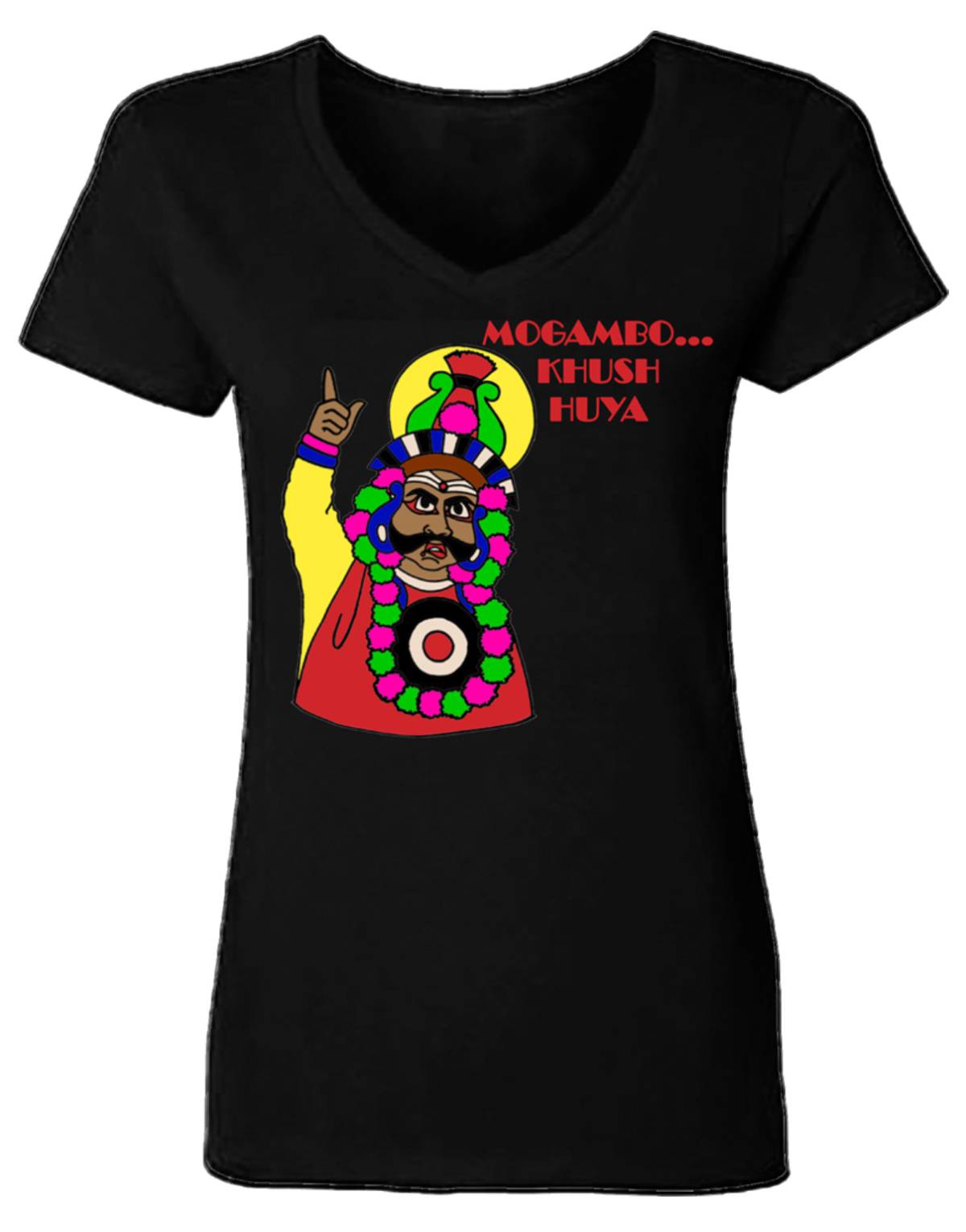
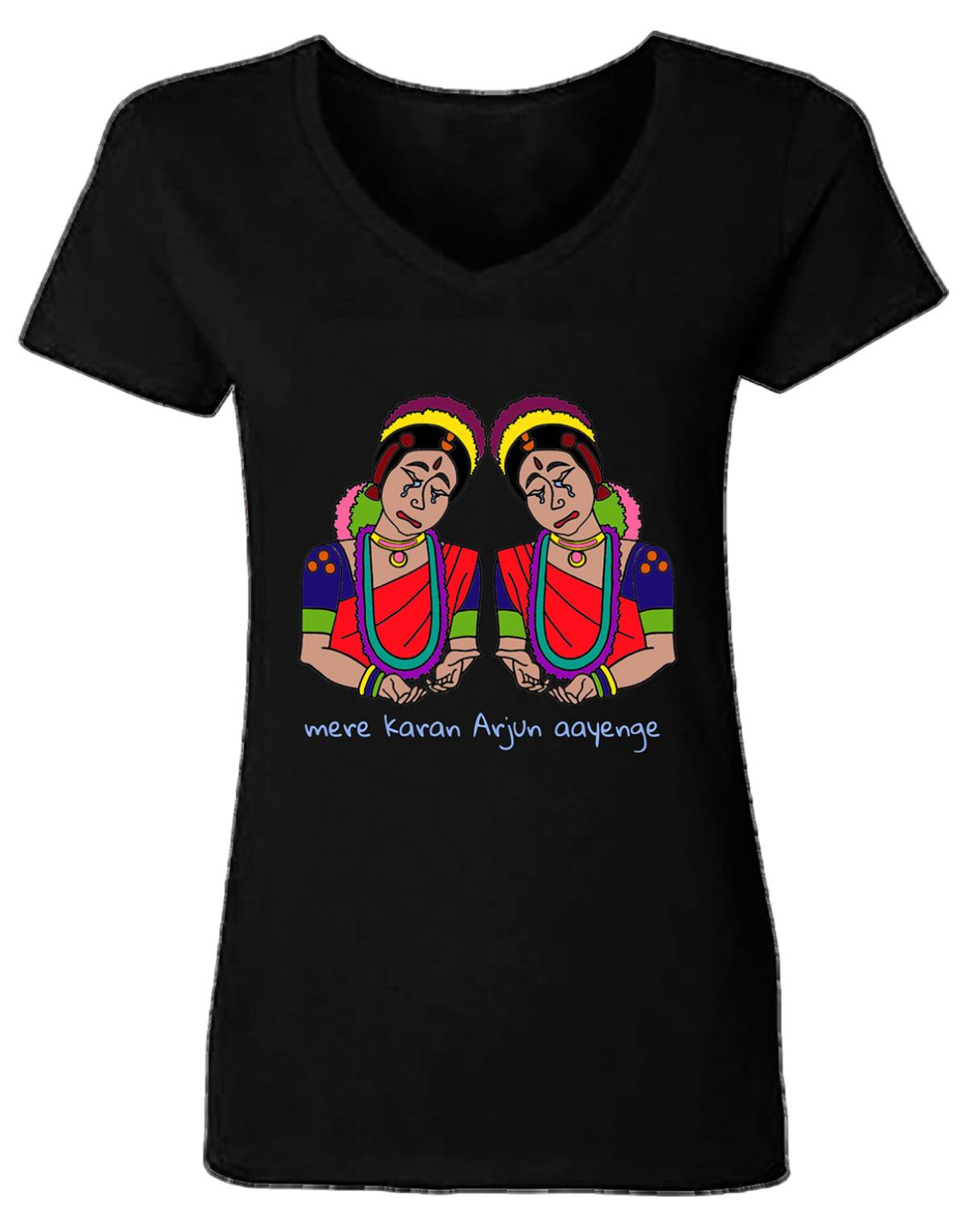
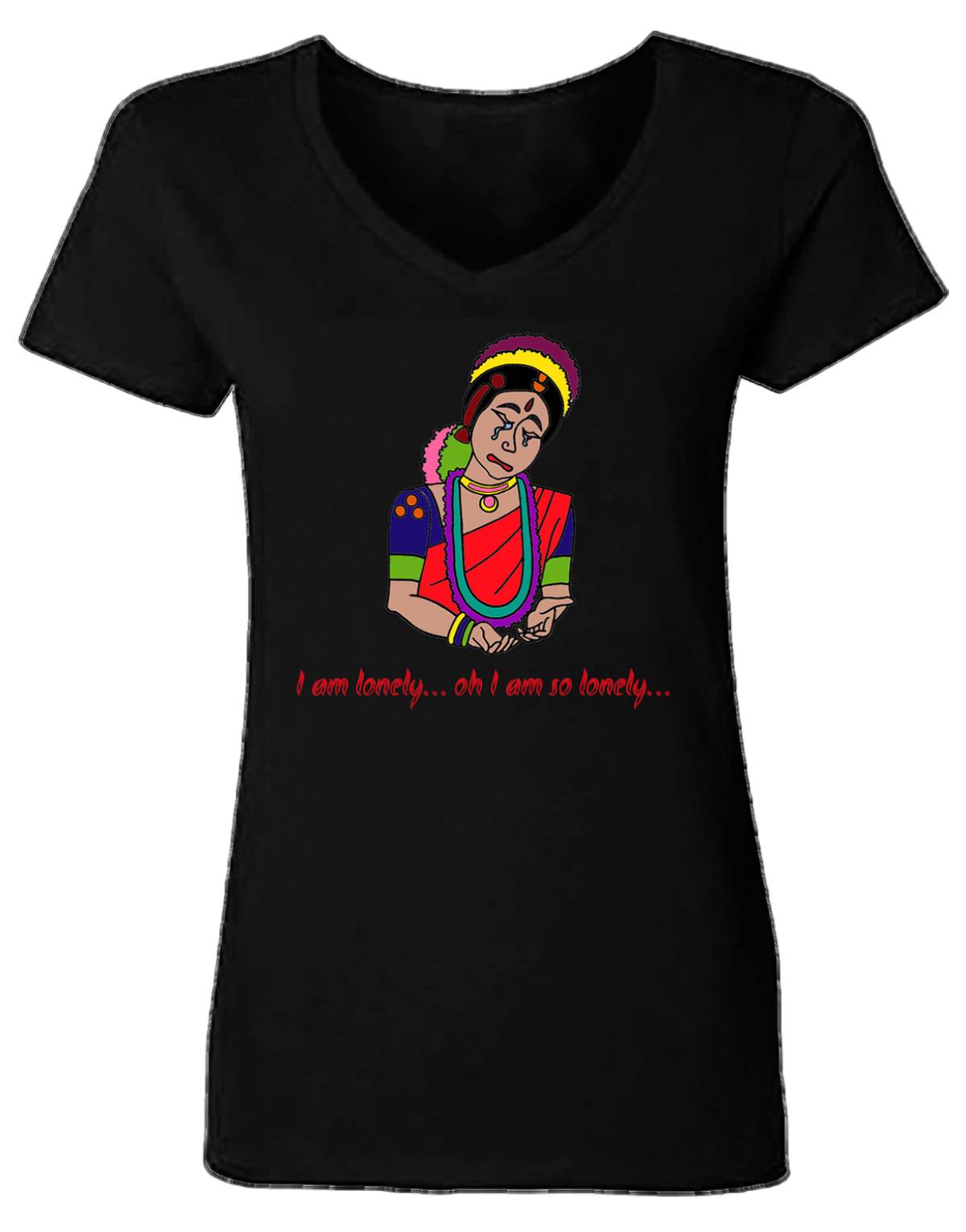
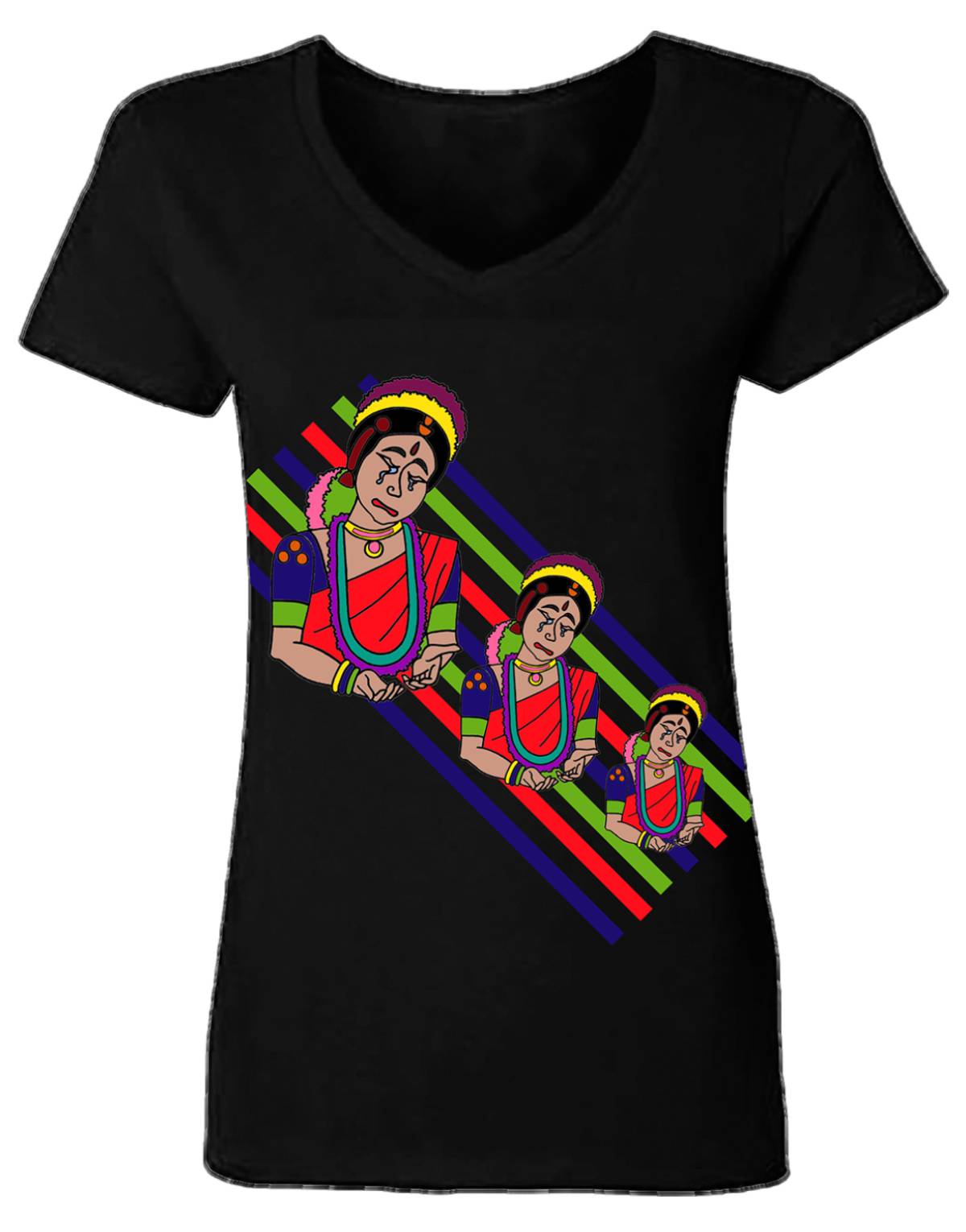
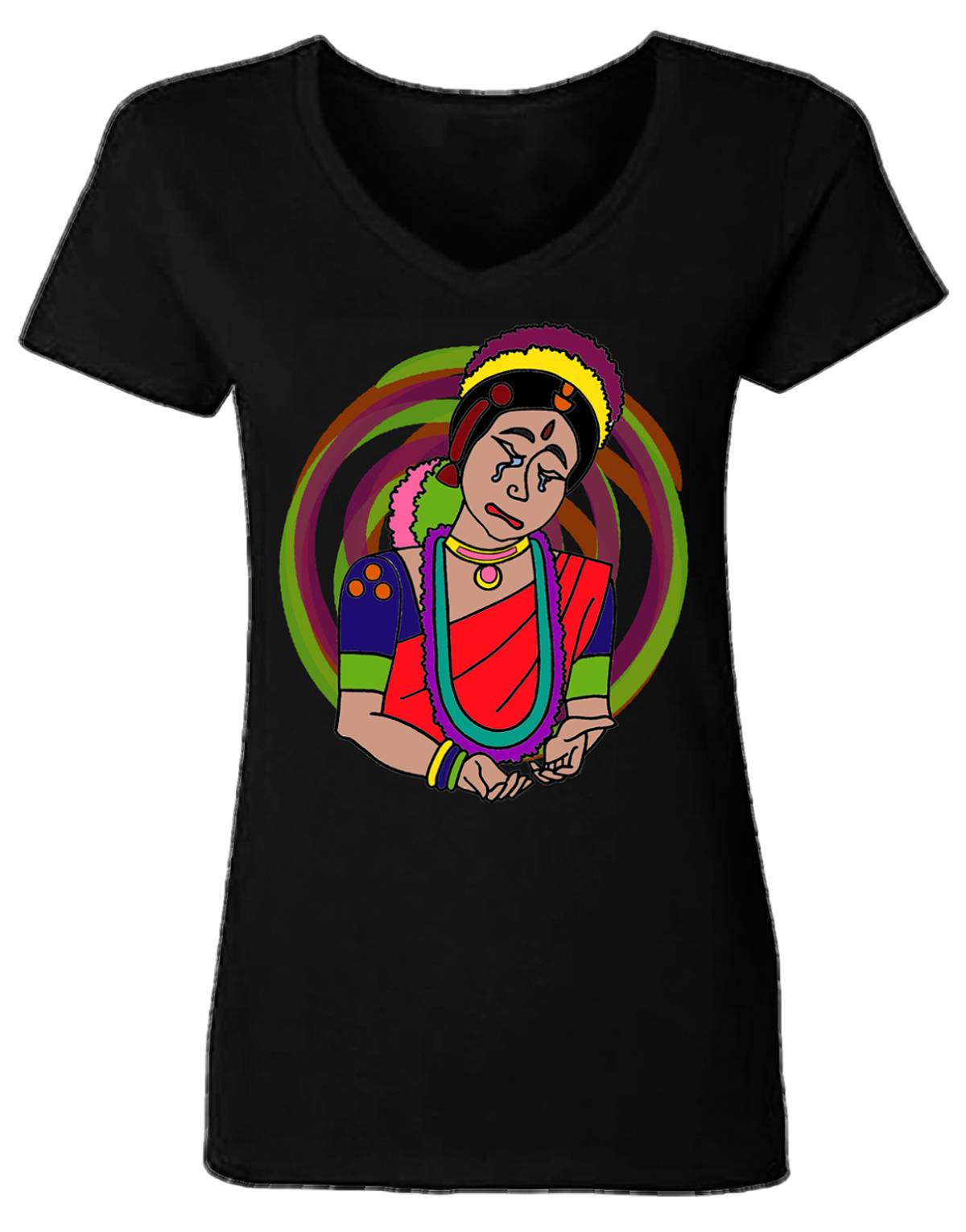
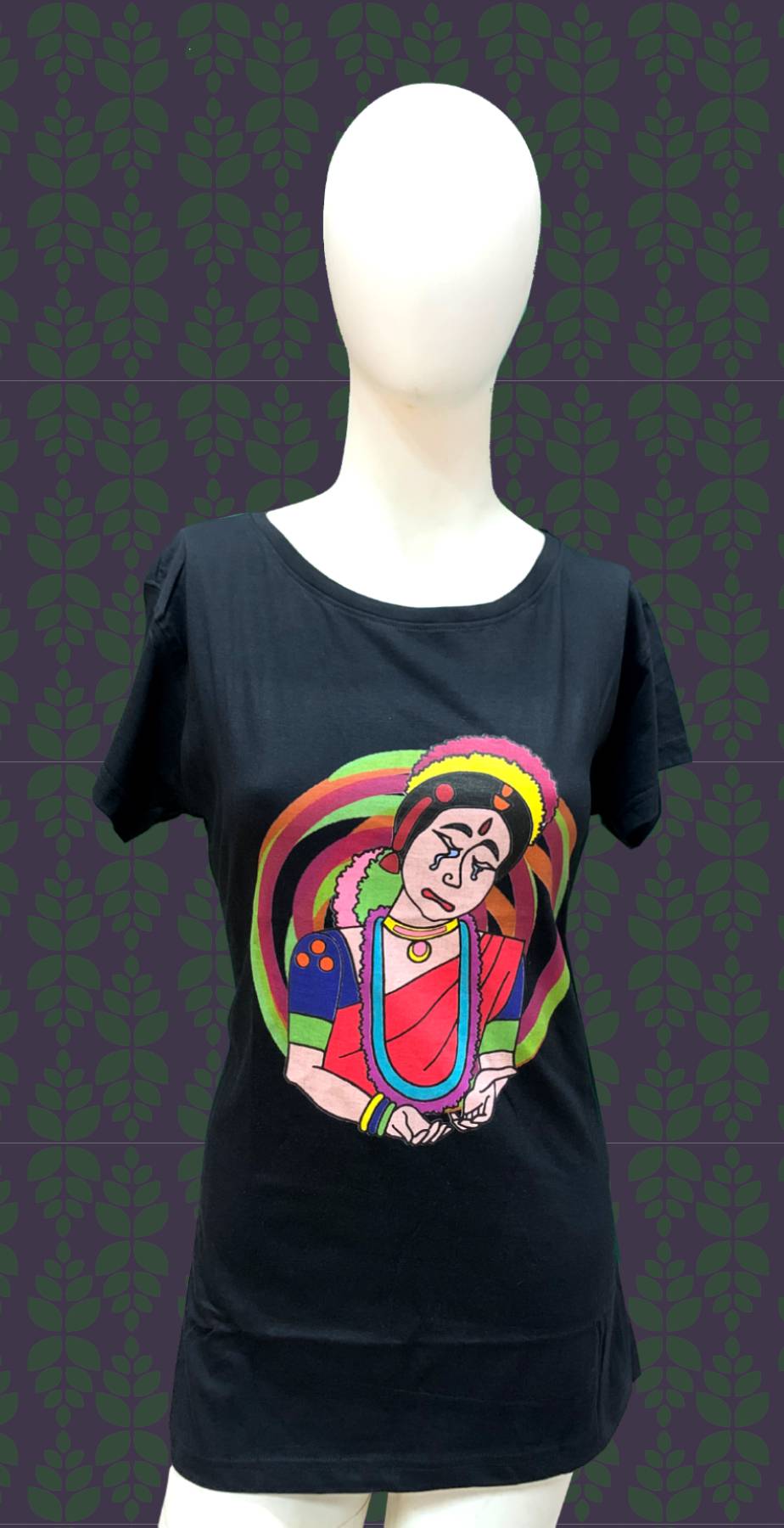
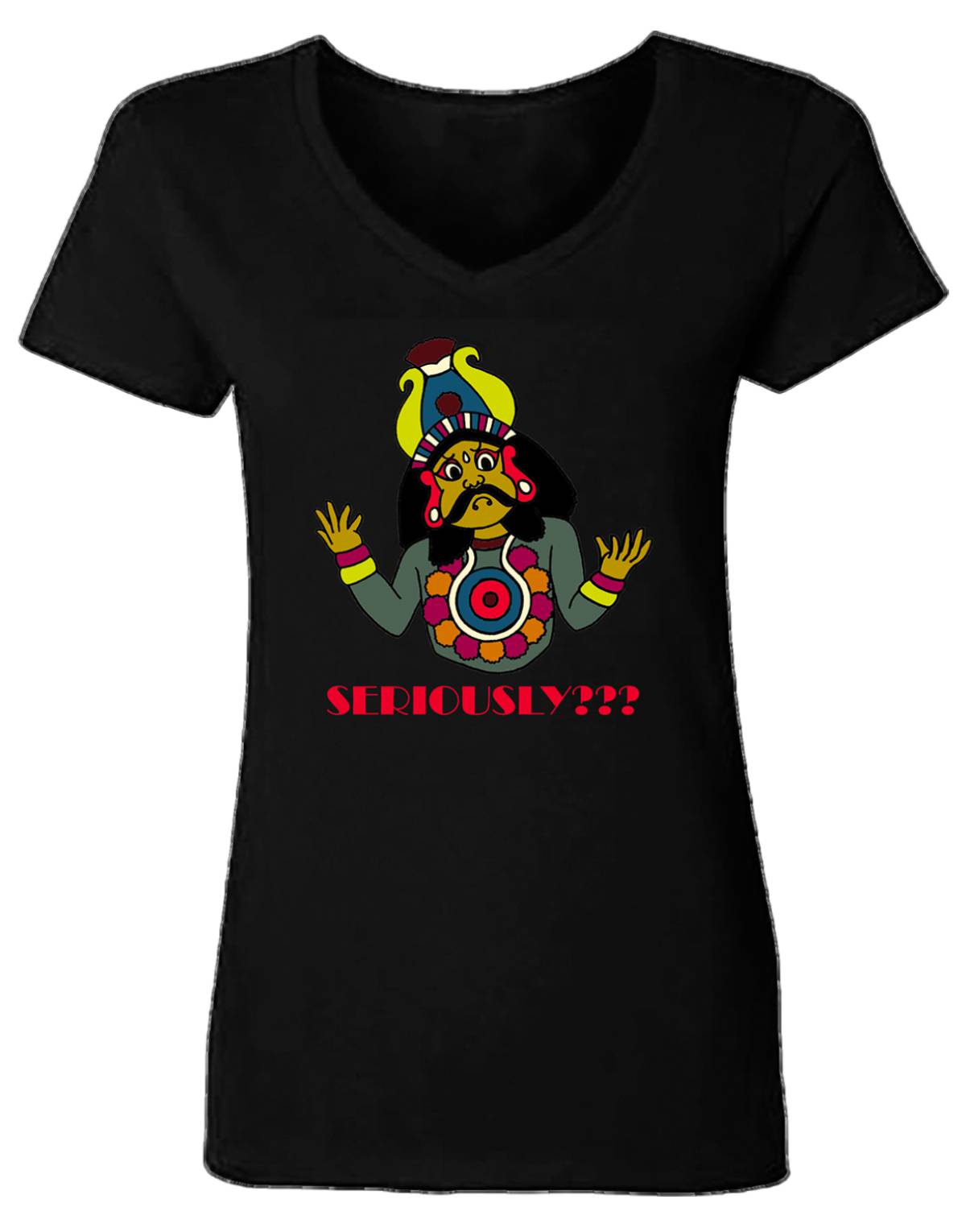
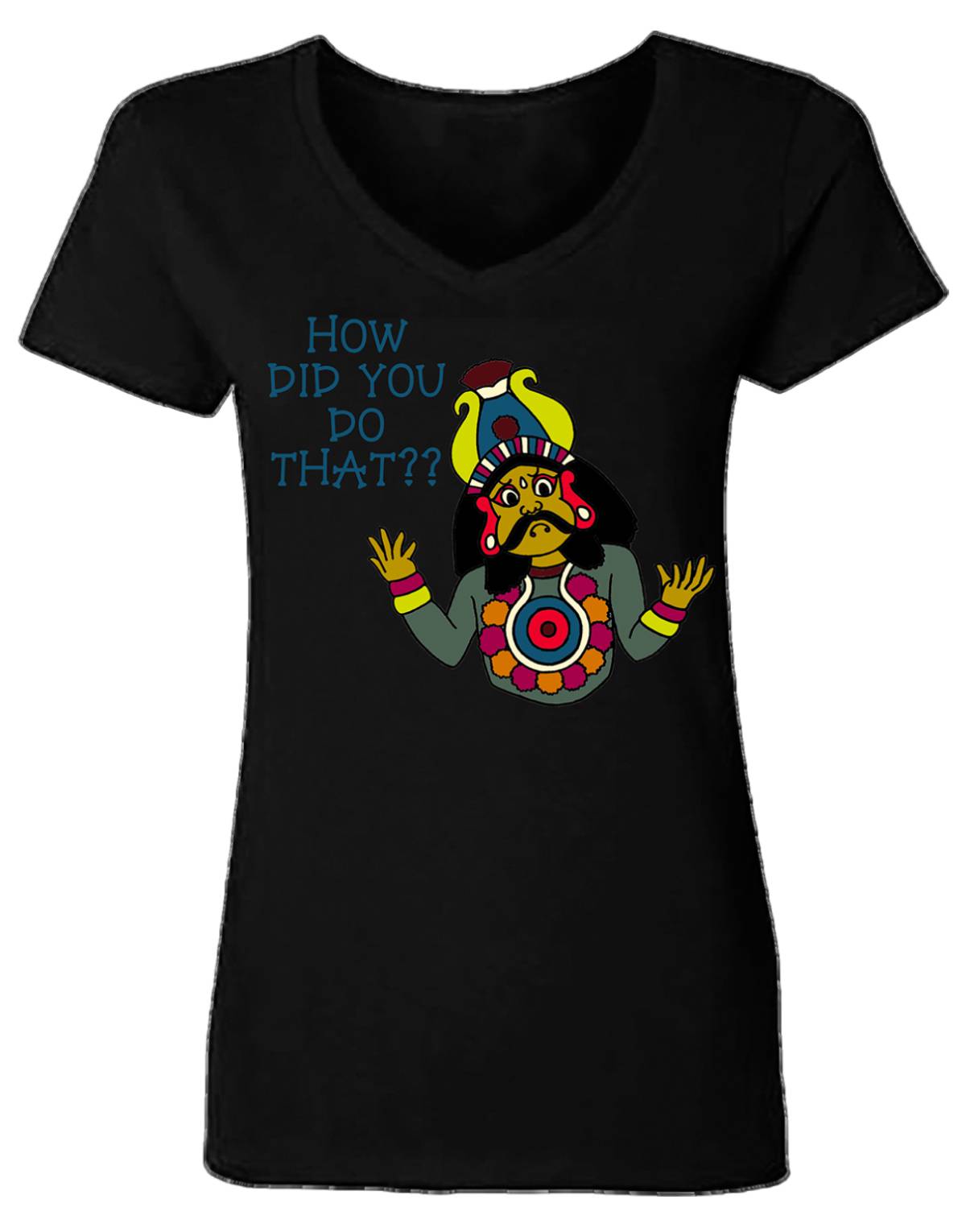
Emotional expressions are the essence of life. An initiative has been taken for exploring the possibility of acceptance of modification of the various facial expressions of the traditional ‘Yakshagana’ art form into a contemporary Pop-art motif. The concept behind the study is to combine the various facial expressions of the Yakshagana Art-form with human psychology, their emotions and express them using digital printing on the fabric in the form of cartoon pop-arts suitable for various end uses.
Happy, sad, angry, surprised, bad, disguised, and fearful were some of the prominent motifs represented in Yakshagana facial and emotional expressions, which were drawn from secondary sources such as novels.
Using CAD tools such as Photoshop and Corel Draw, the selected motifs of these facial-emotional expressions were tweaked and adapted to produce their pop-art form. A total of twenty-six motifs were created from the original pictures categorised in the seven emotions.
For the evaluations of these produced designs, a Google form questionnaire was prepared, distributed and were judged by a panel of fifty-five people, with various professional & economic backgrounds.
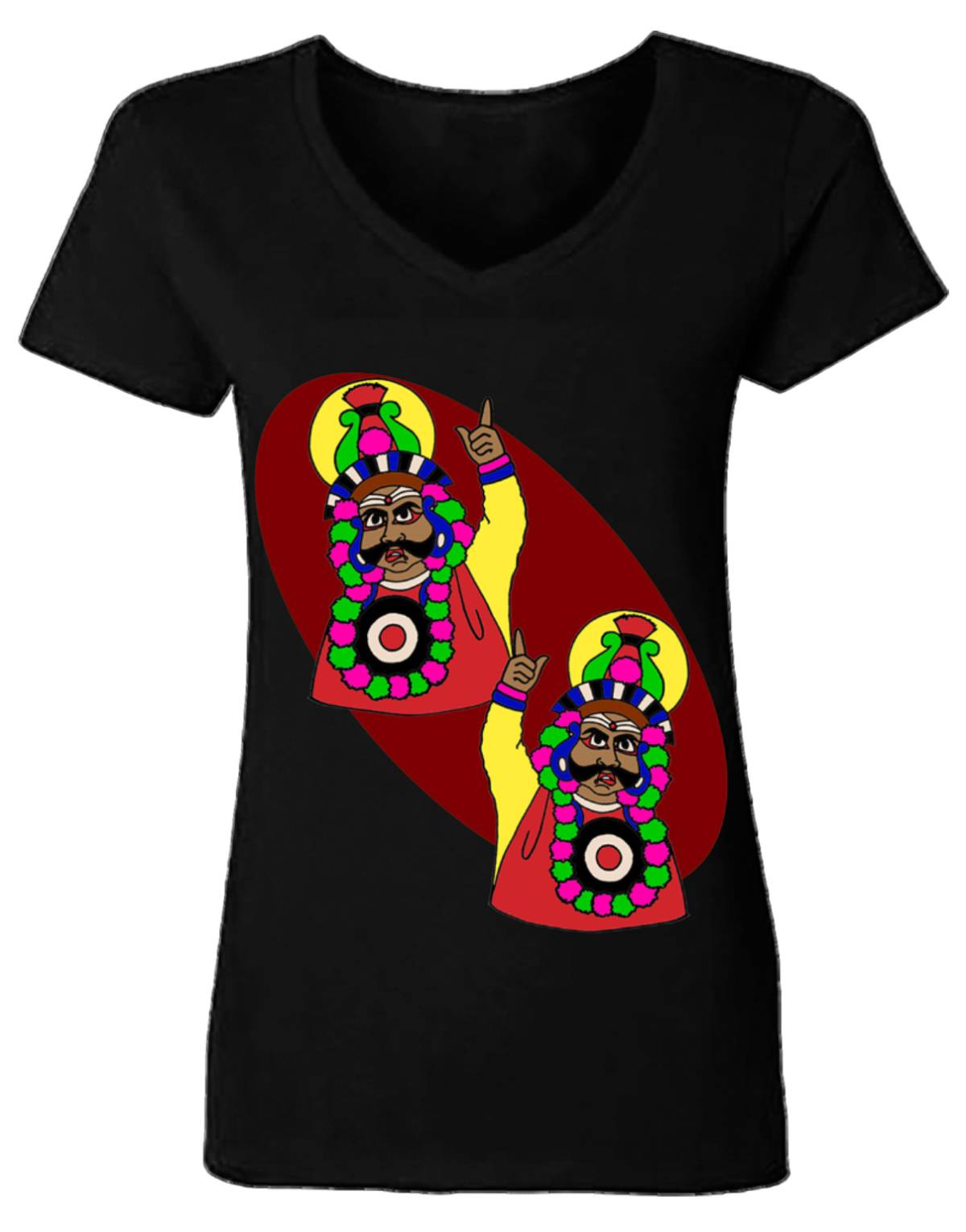
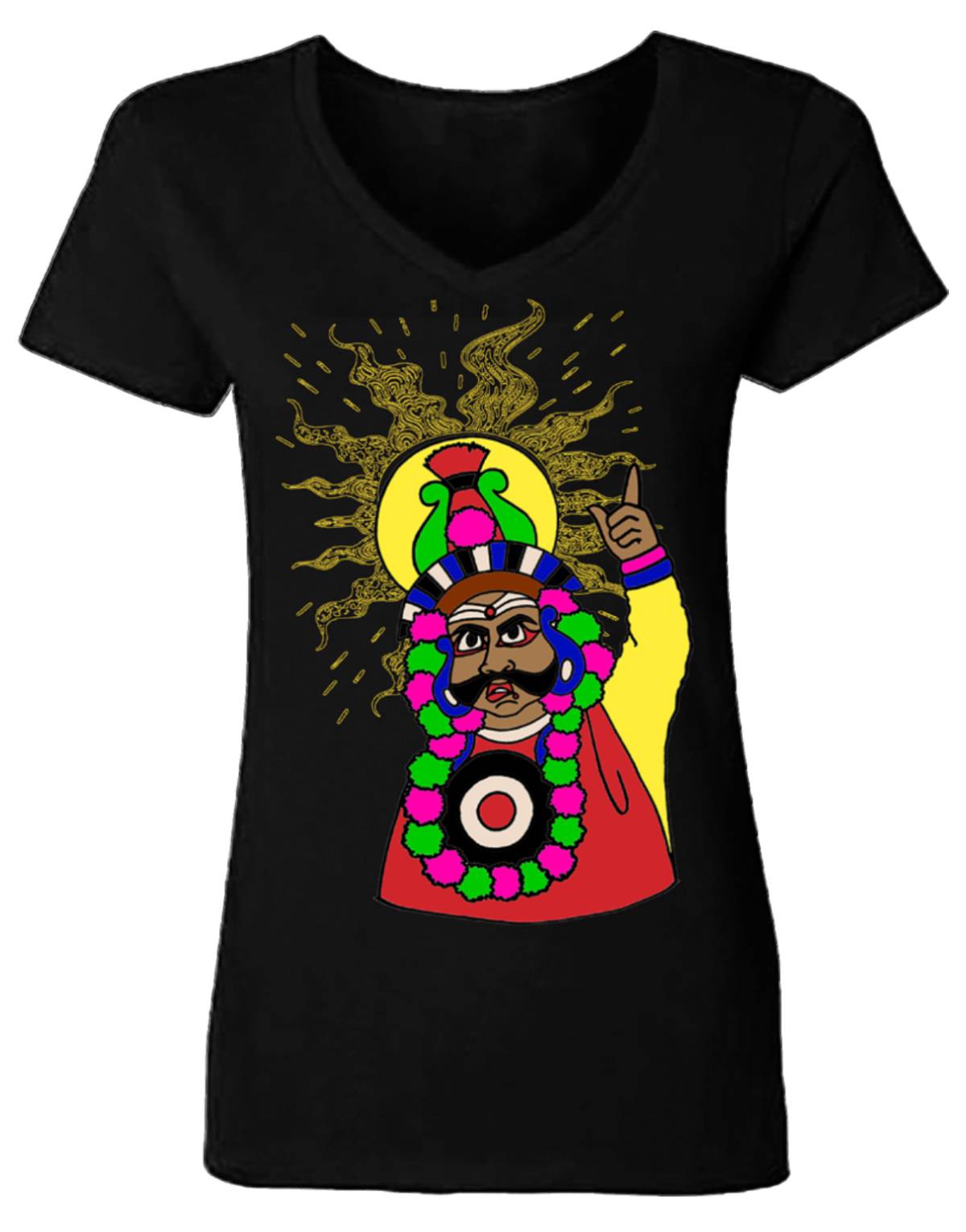
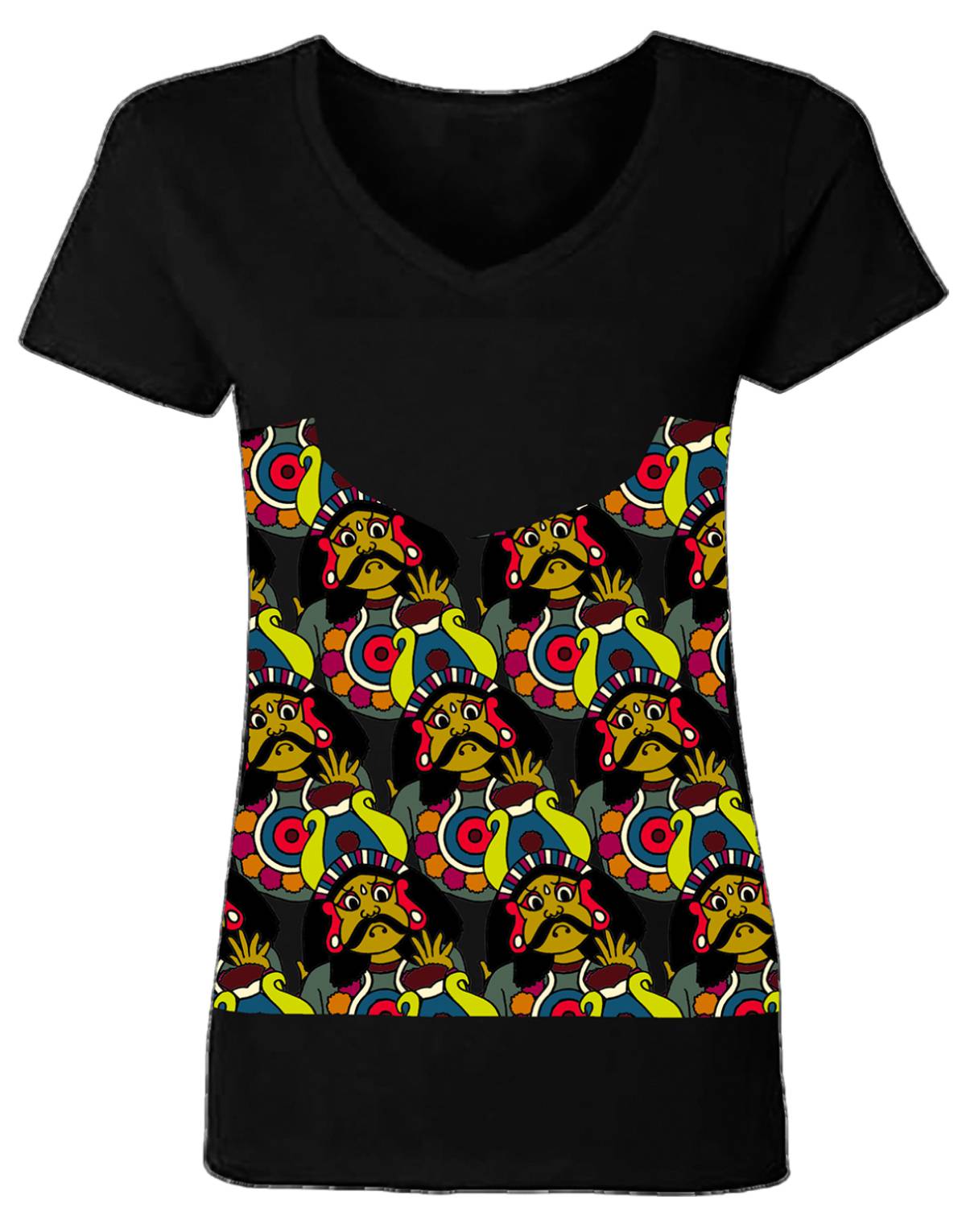
Four different layouts were created for each of the eight selected motifs and was evaluated in the same process with selected 20 judges from the previous panel.
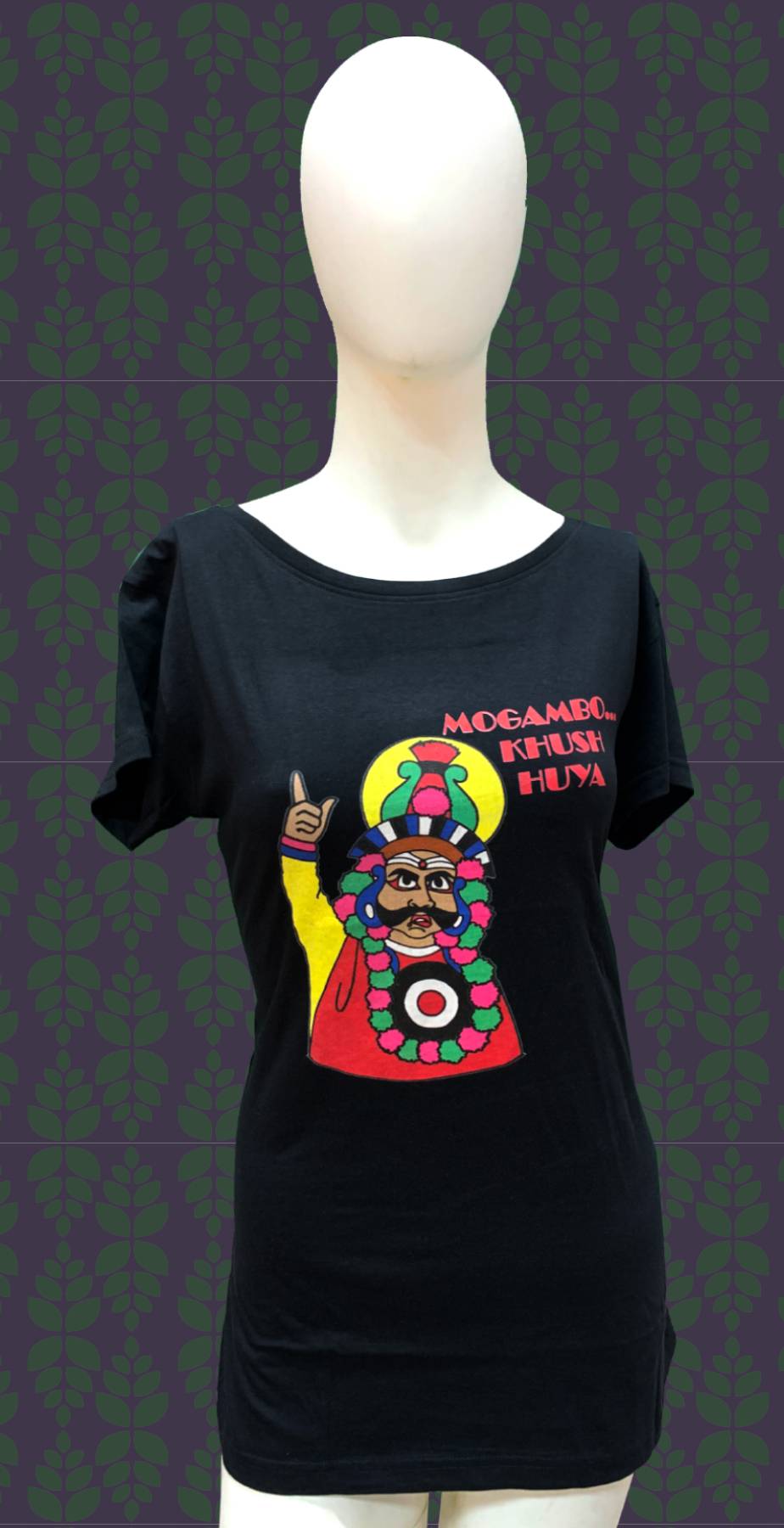
The selected layouts from each category were then digital printed on T-shirts and was again evaluated in the same process in order to obtain the most and least popular product.
The acceptability of the generated products was assessed using a five-point Ranking Performa.
The study analysed the significant relationship between the acceptance of the layout designs and the attributes.
Analysis of Data
The information gathered during the interviews was classified and tallied. The data was examined using the frequency and percentage approach. The study was conducted in three steps and the data was analysed after each step using the weighted score, mean, and rank approach.
The 2-way ANOVA technique was utilised in the analysis to see if there was any significant difference between the different designs created in each step of the study.
At the 5% level of significance, the computed F-statistic was compared to the tabular value of the F-statistic. The Null Hypothesis was rejected and the alternative hypothesis was accepted as because F (computed)>/=F (tabulated); hence, it could be agreed that there is a significant statistical difference in the different layouts of a design based on different qualities yielding fruitful results of the study. Hence, it may be stated as this study has been able to fulfil its purpose.
Emotion: Happy
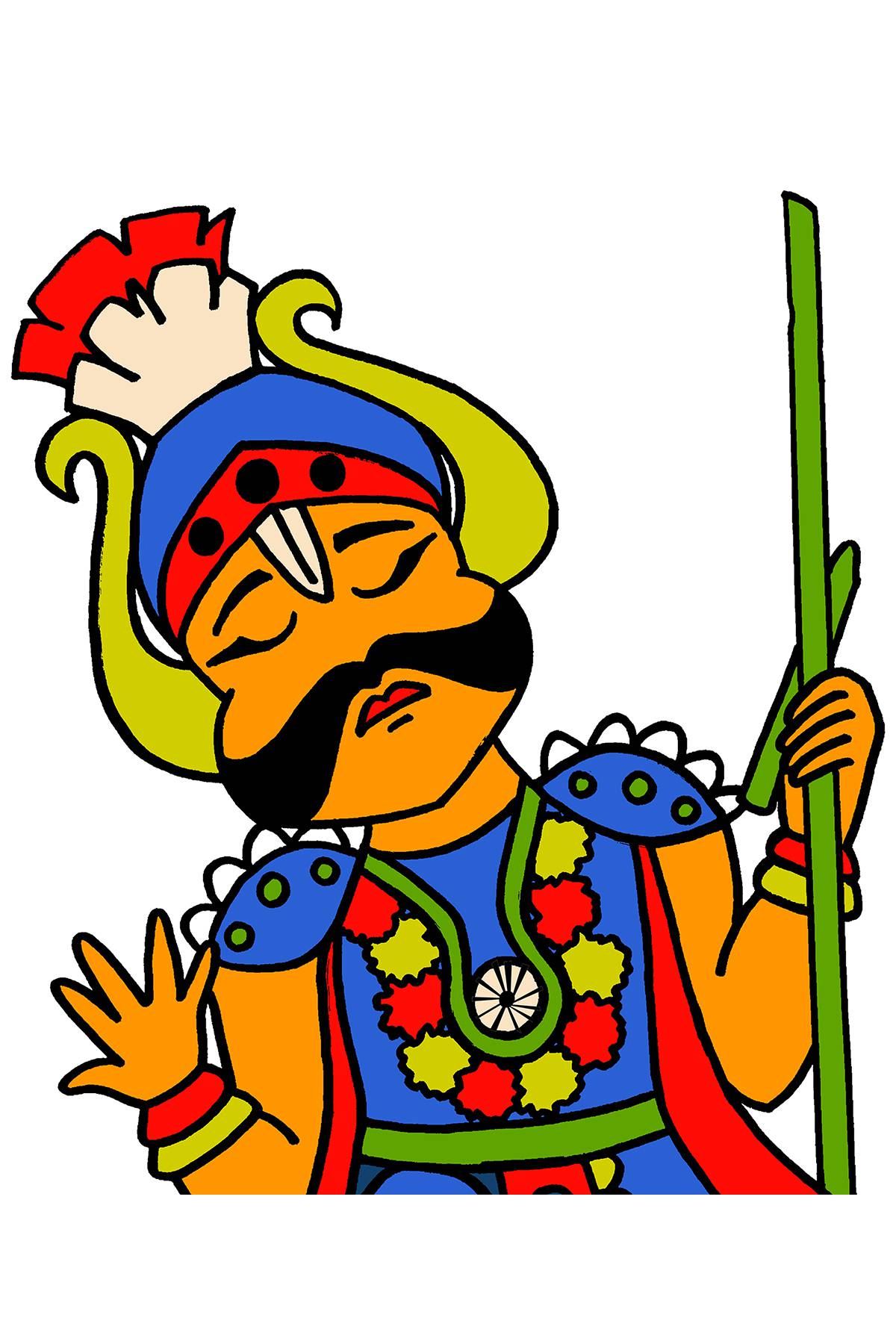
Happy
Peaceful
Thankful
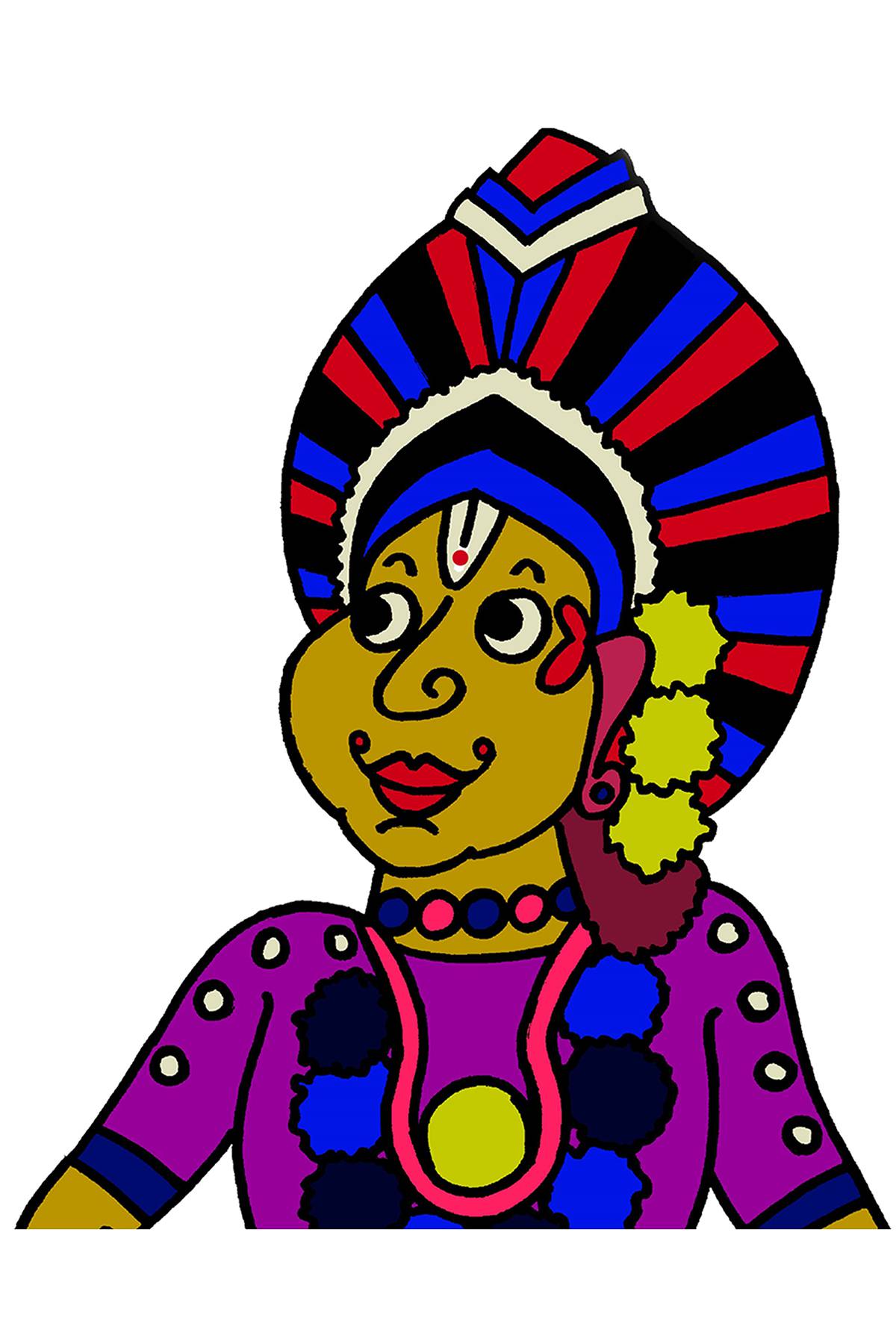
Happy
Proud
Confident
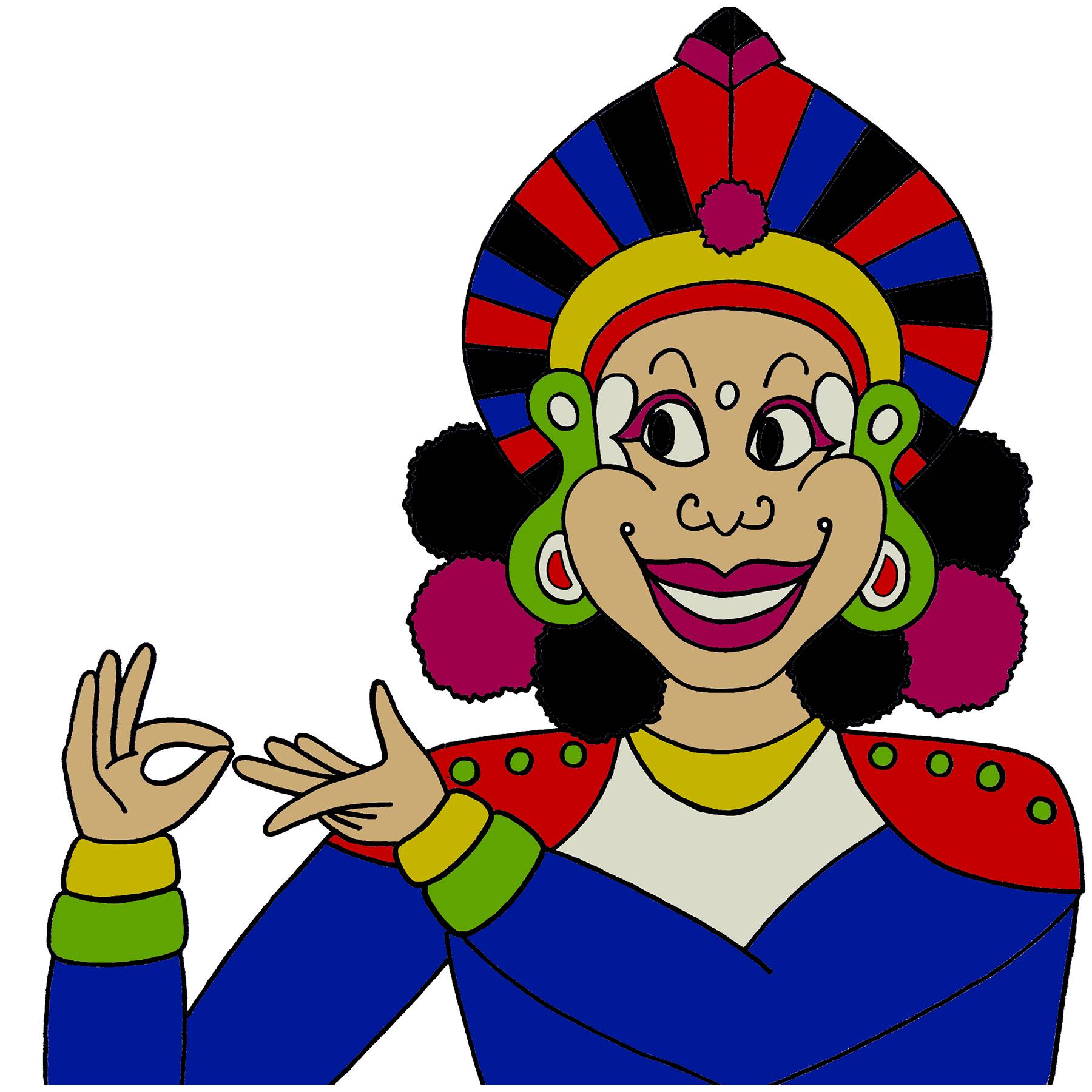
Happy
Content
Joyful
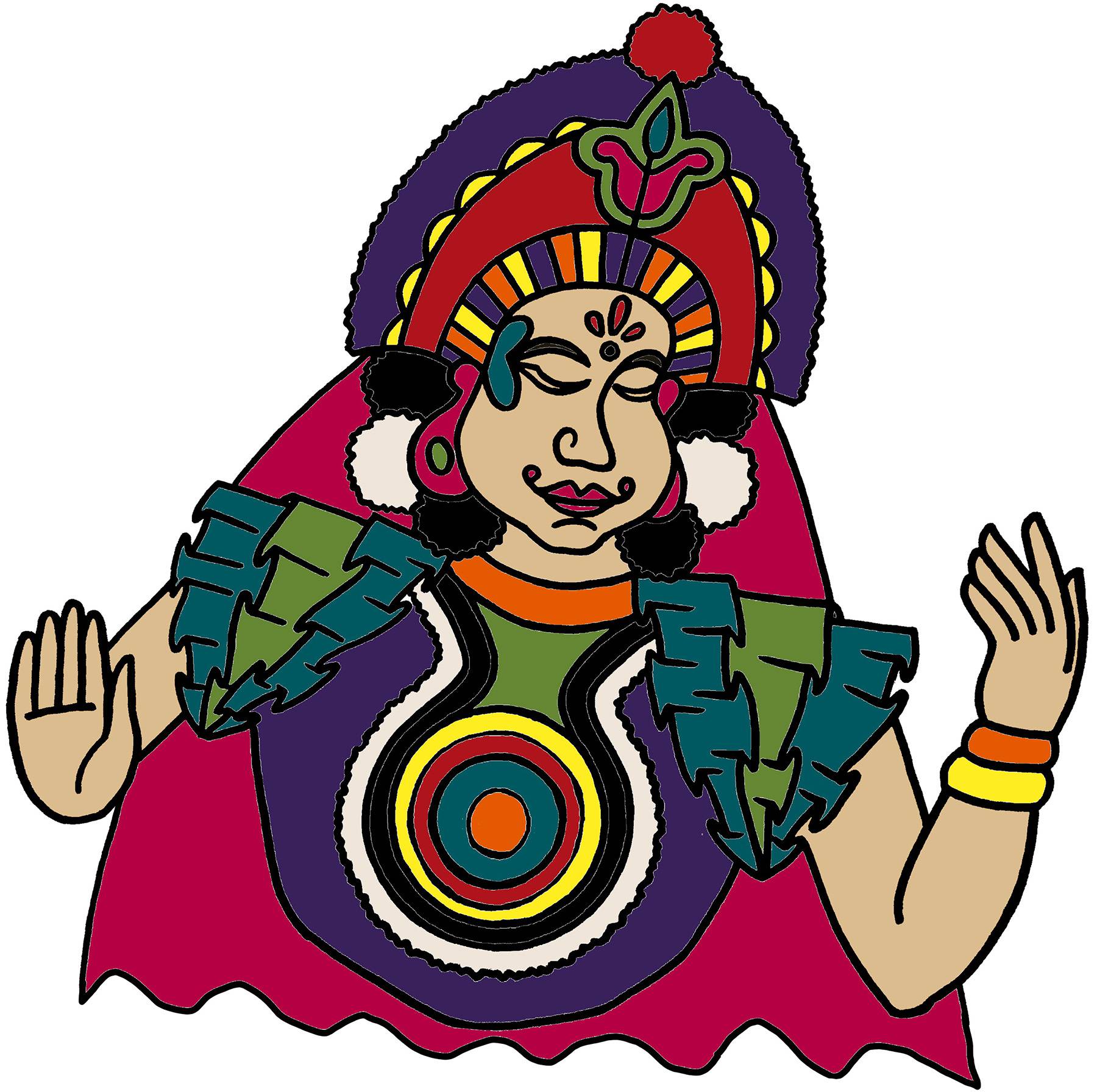
Happy
Content
Absorbed
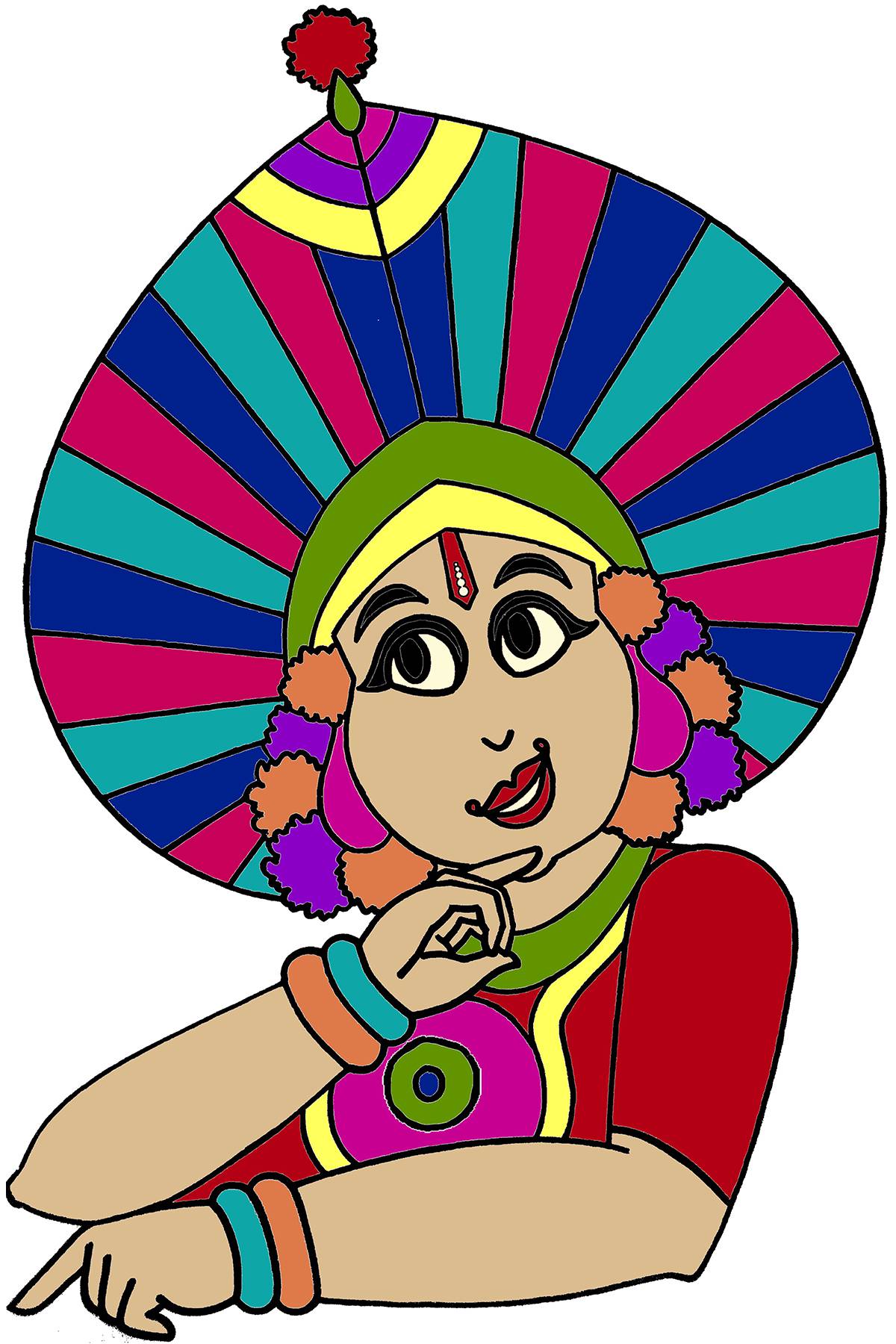
Happy
Interested
Inquisitive
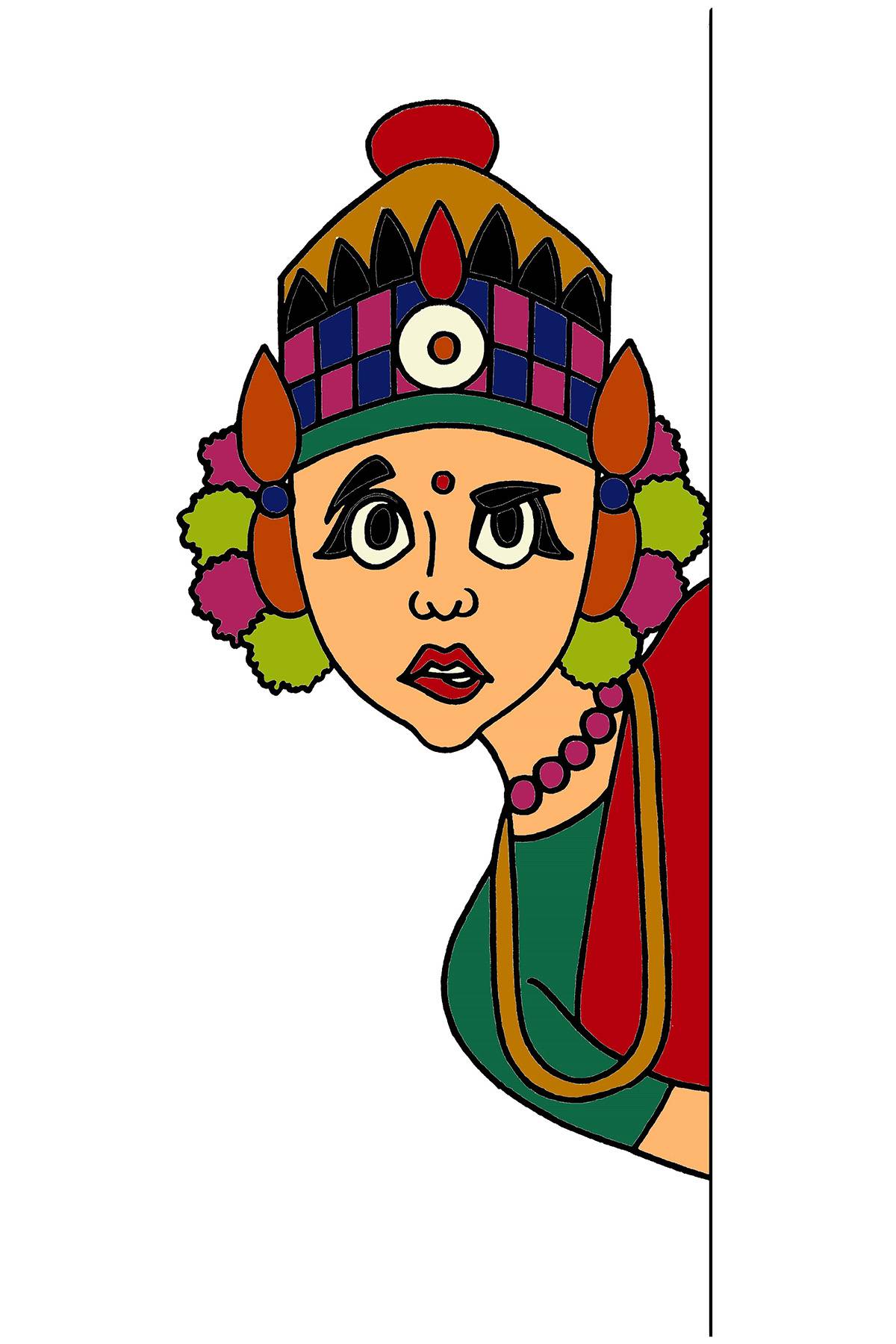
Happy
Interested
Curious
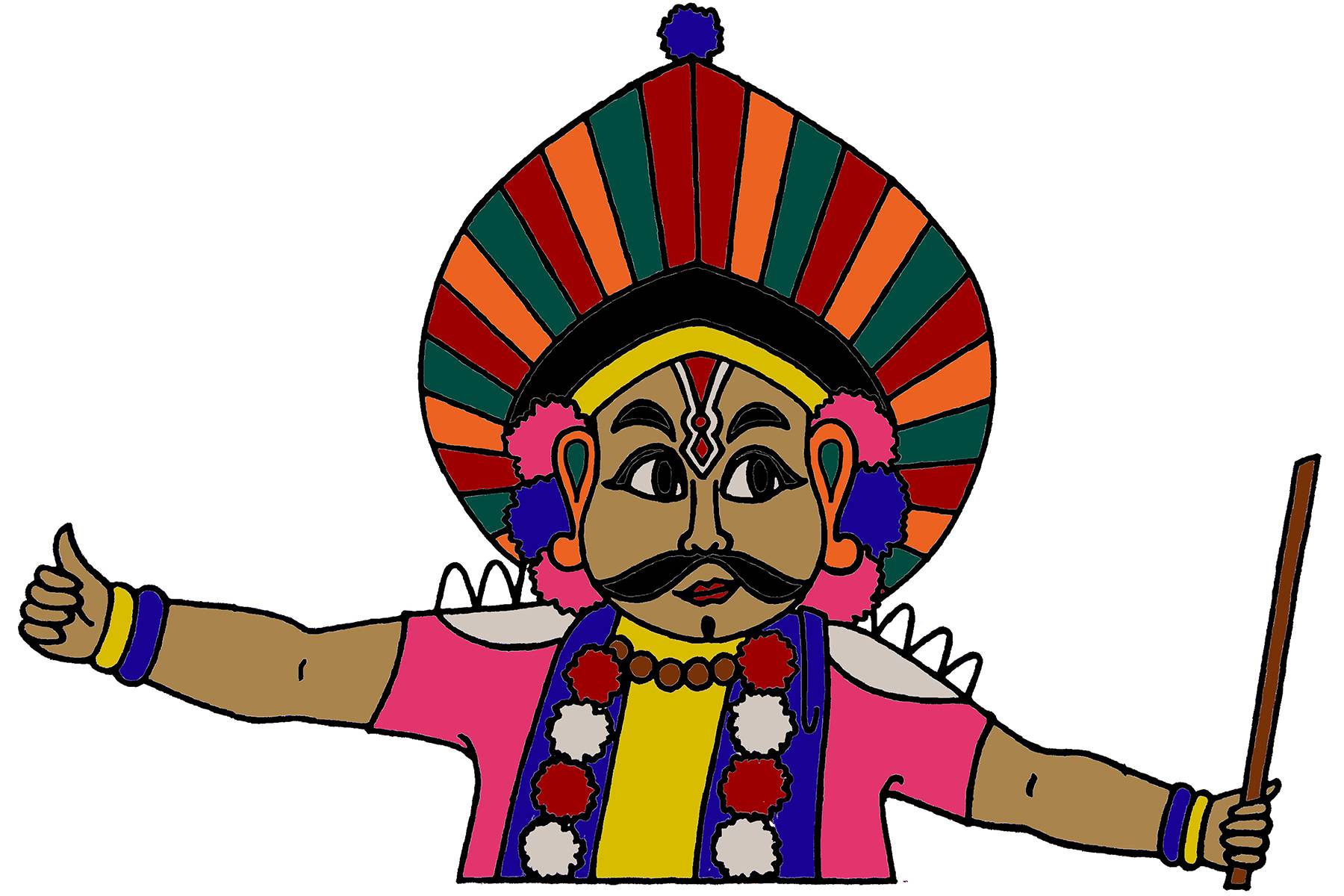
Happy
Accepted
Respected
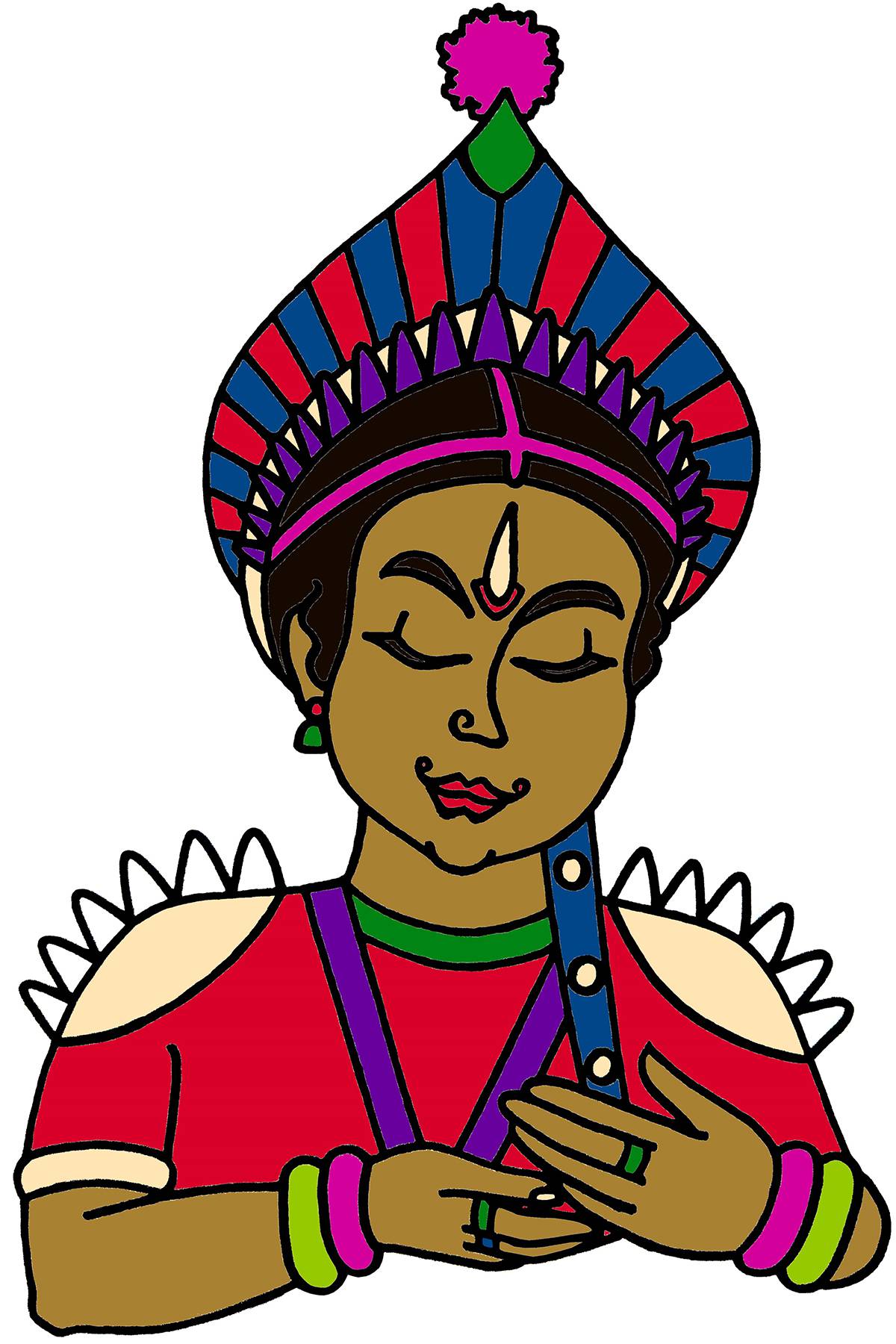
Happy
Optimistic
Hopeful
Emotion: Angry

Angry
Frustrated
Infuriated
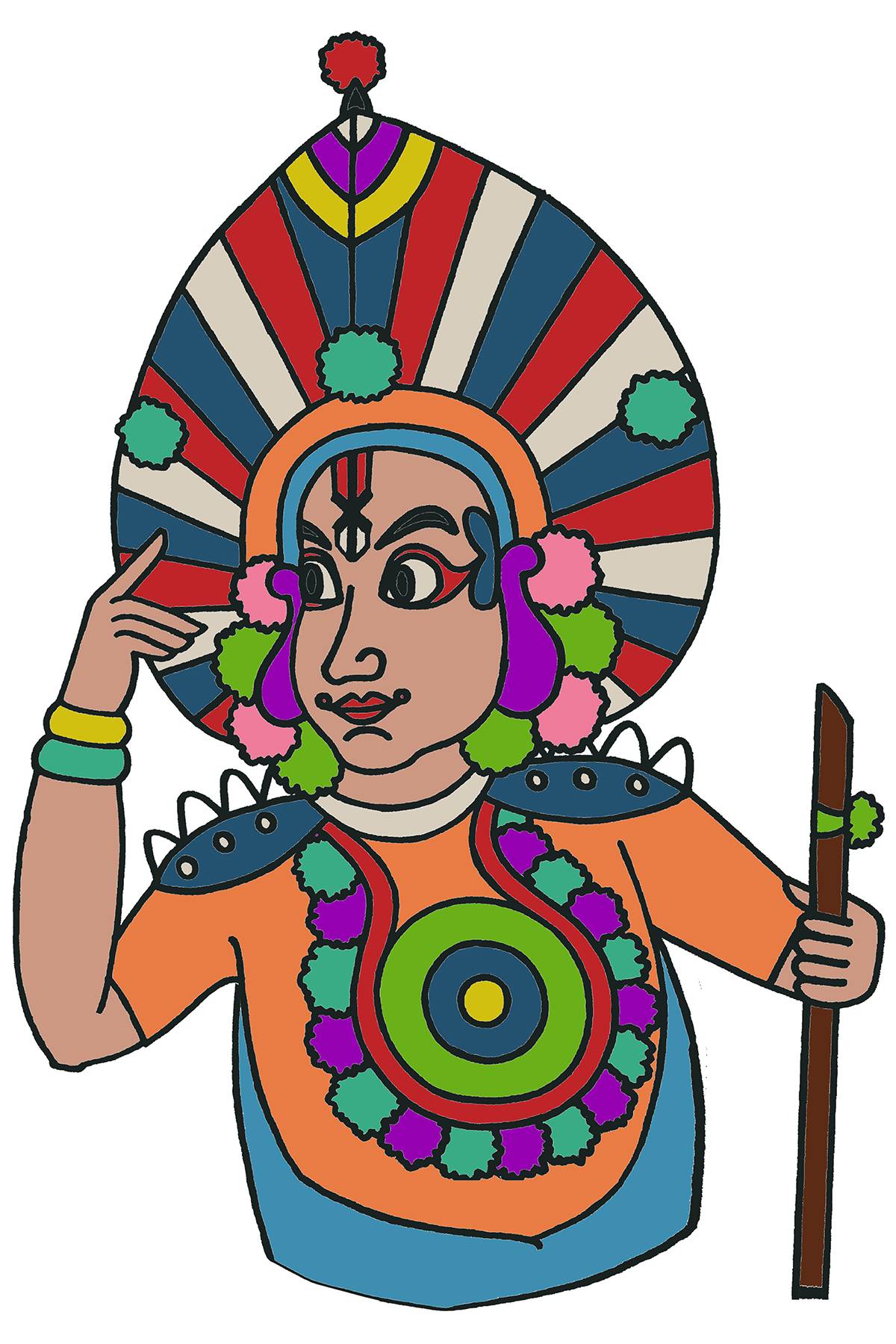
Angry
Interested
Curious
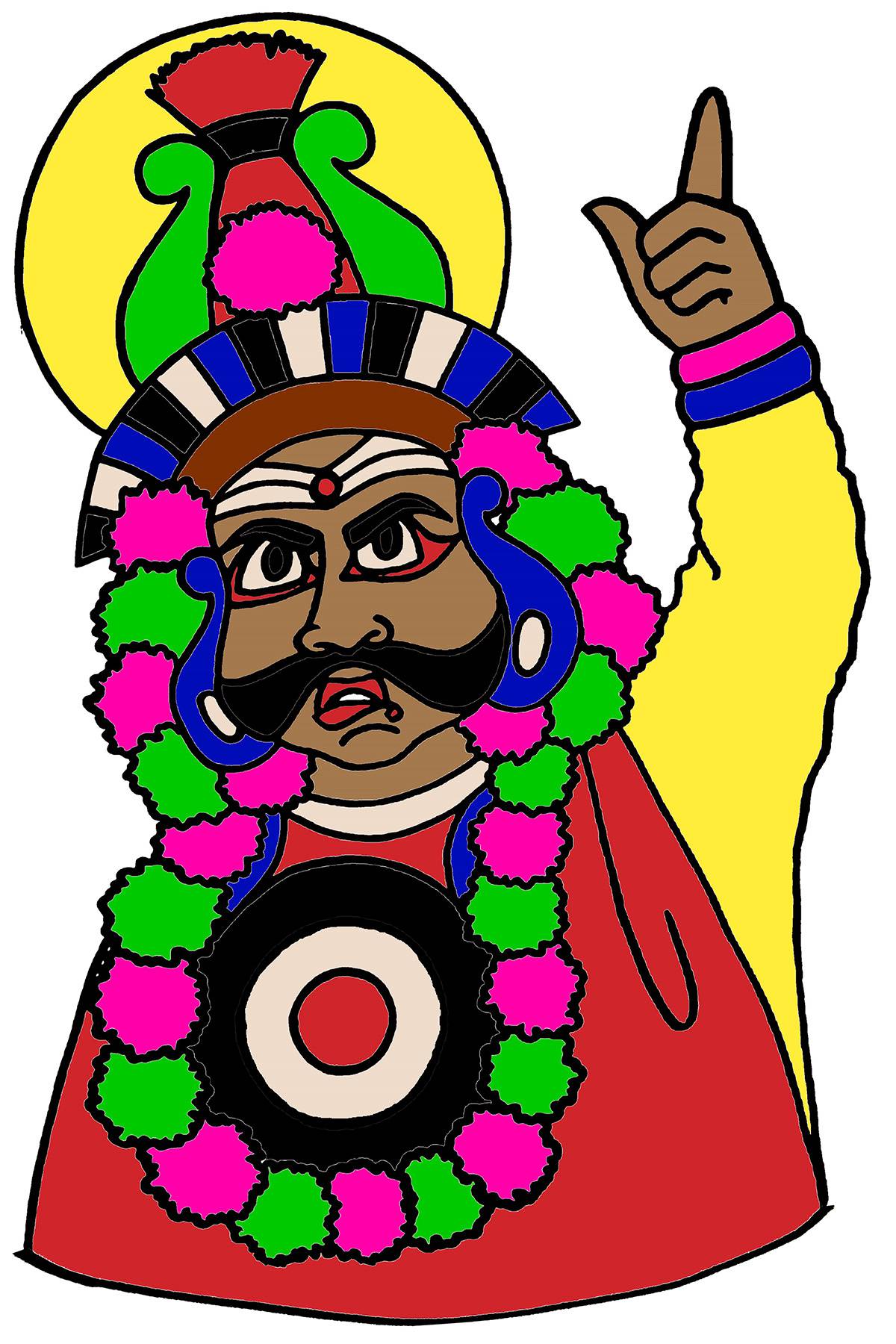
Angry
Mad
Furious
Emotion: Sad
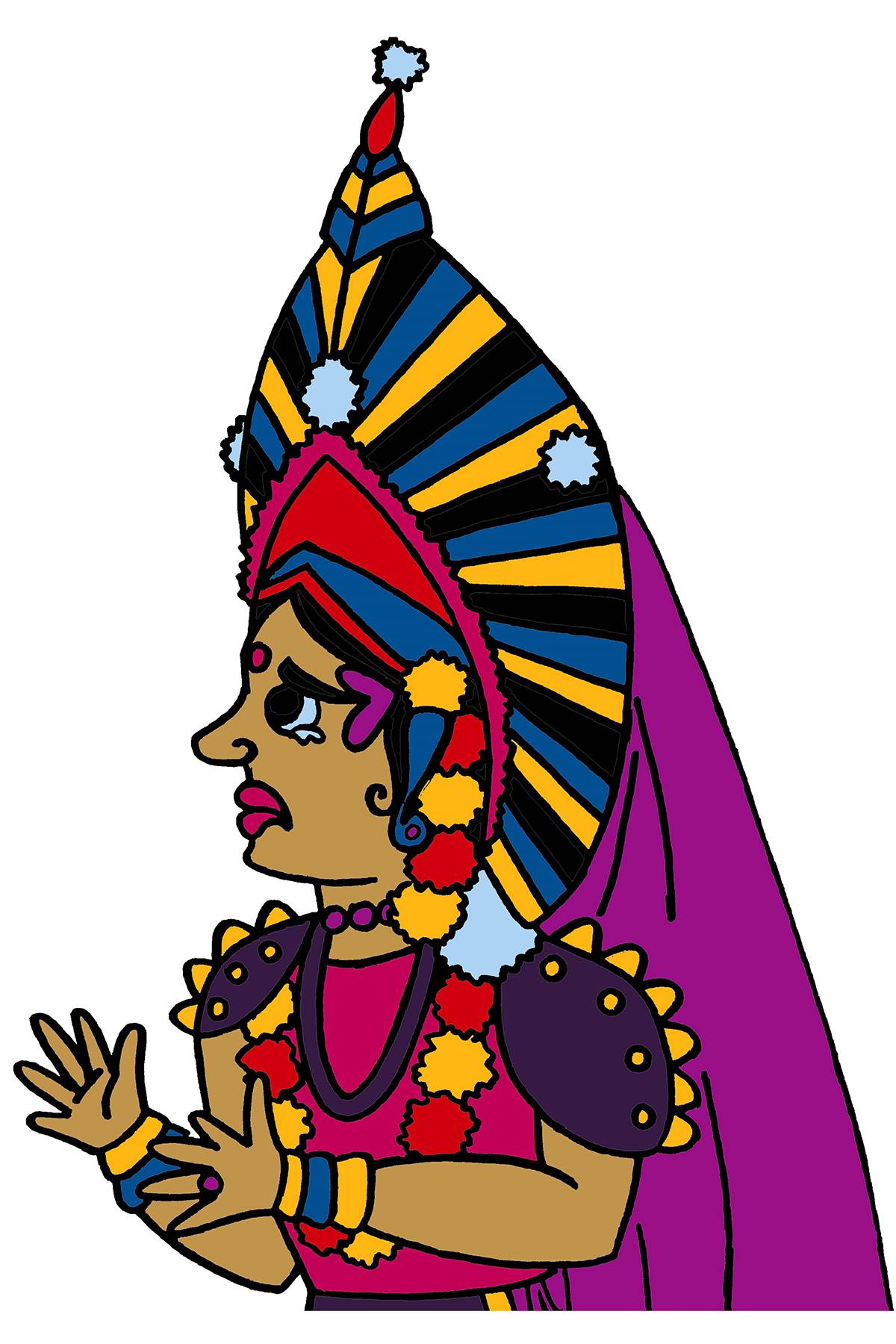
Sad
Hurt
Disappointed
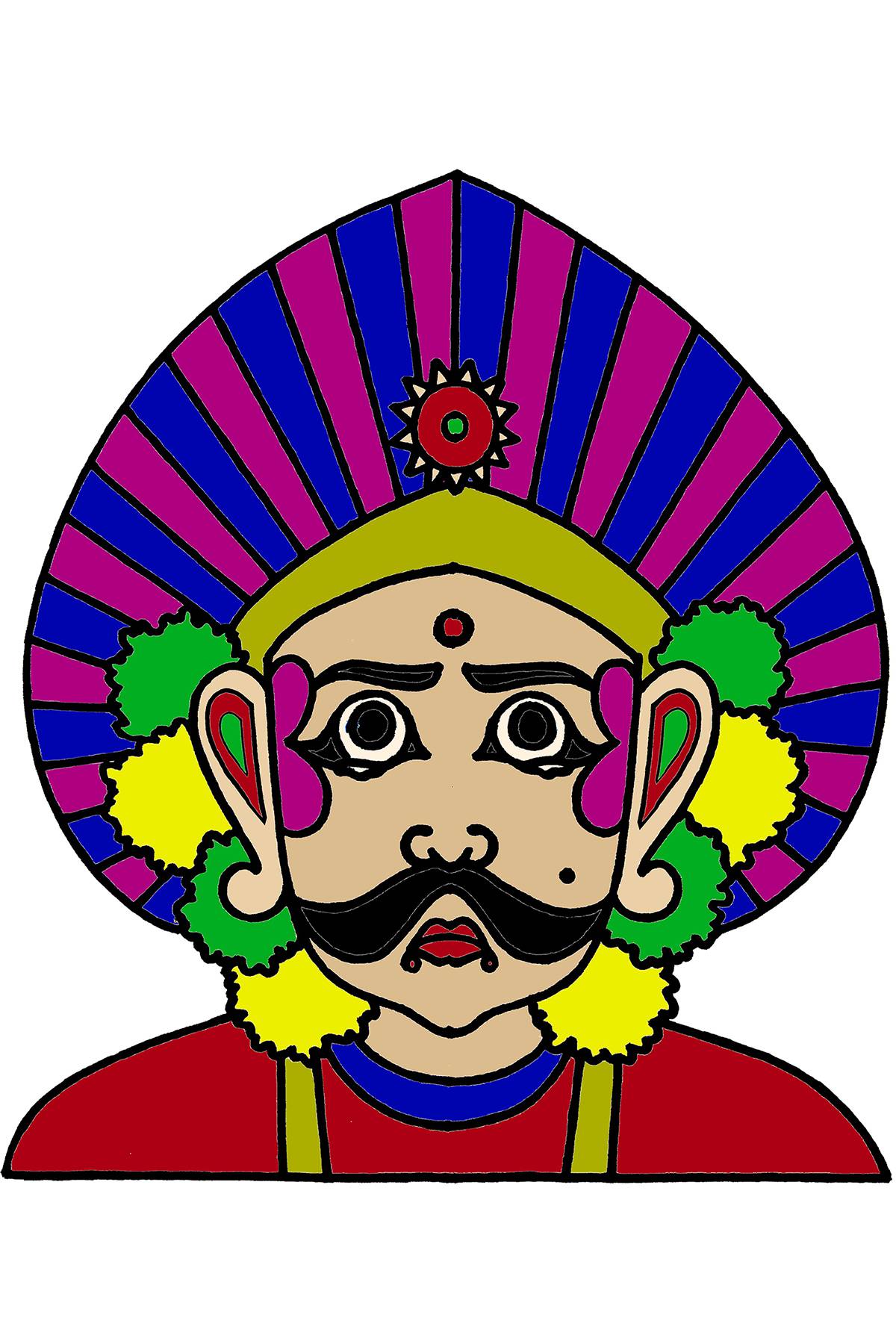
Sad
Lonely
Abandoned
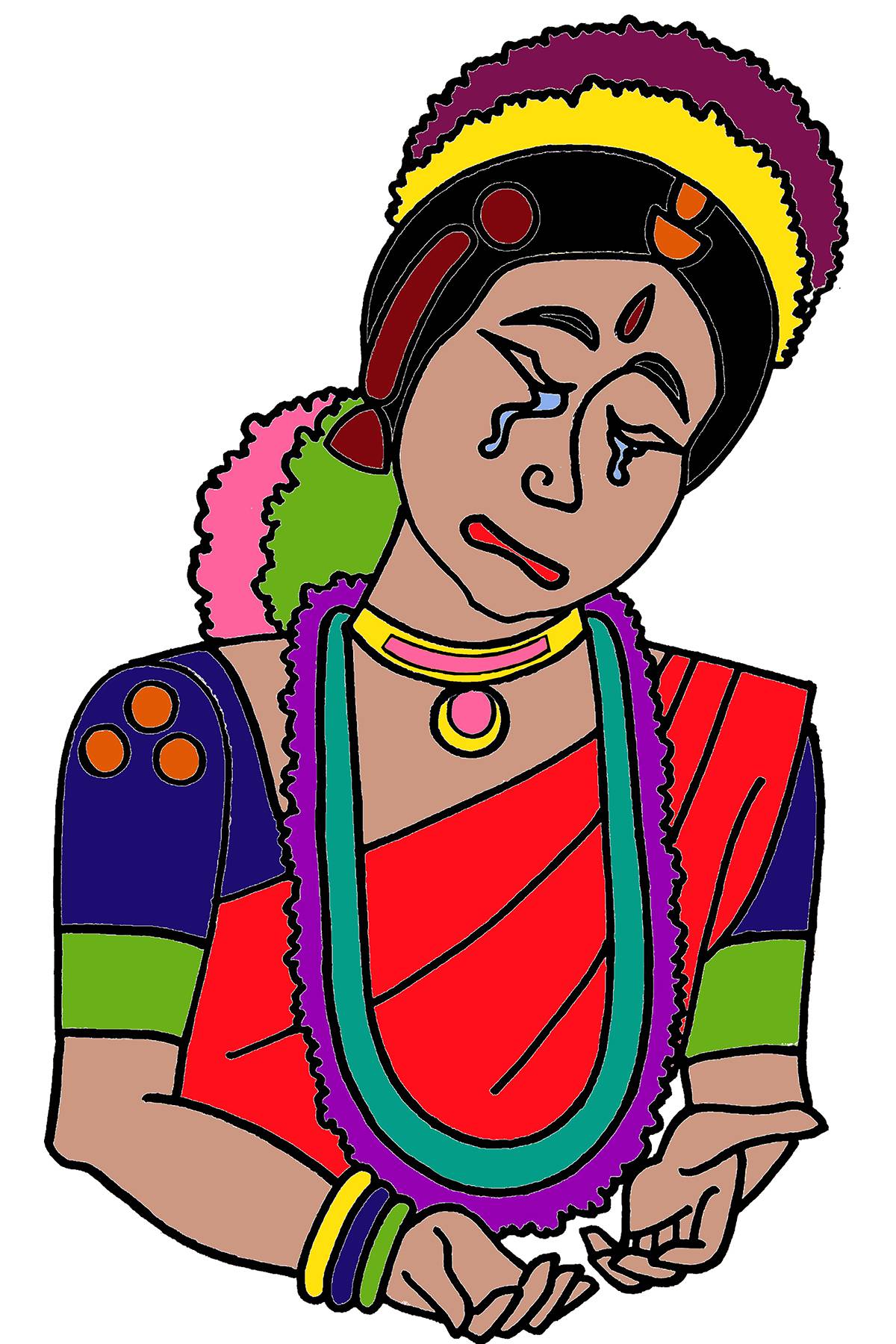
Sad
Despair
Grief
Emotion: Bad
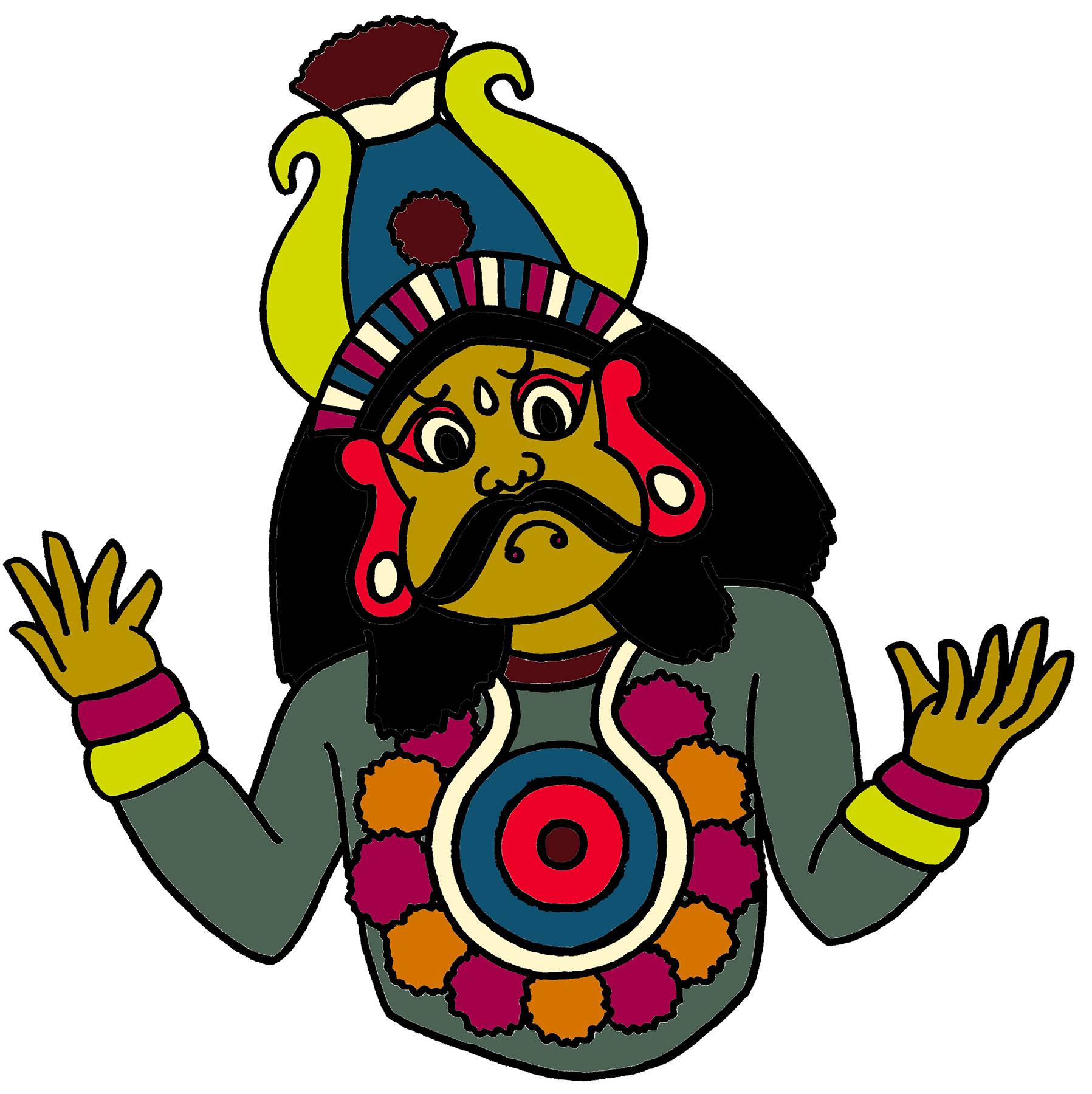
Bad
Stressed
Overwhelmed
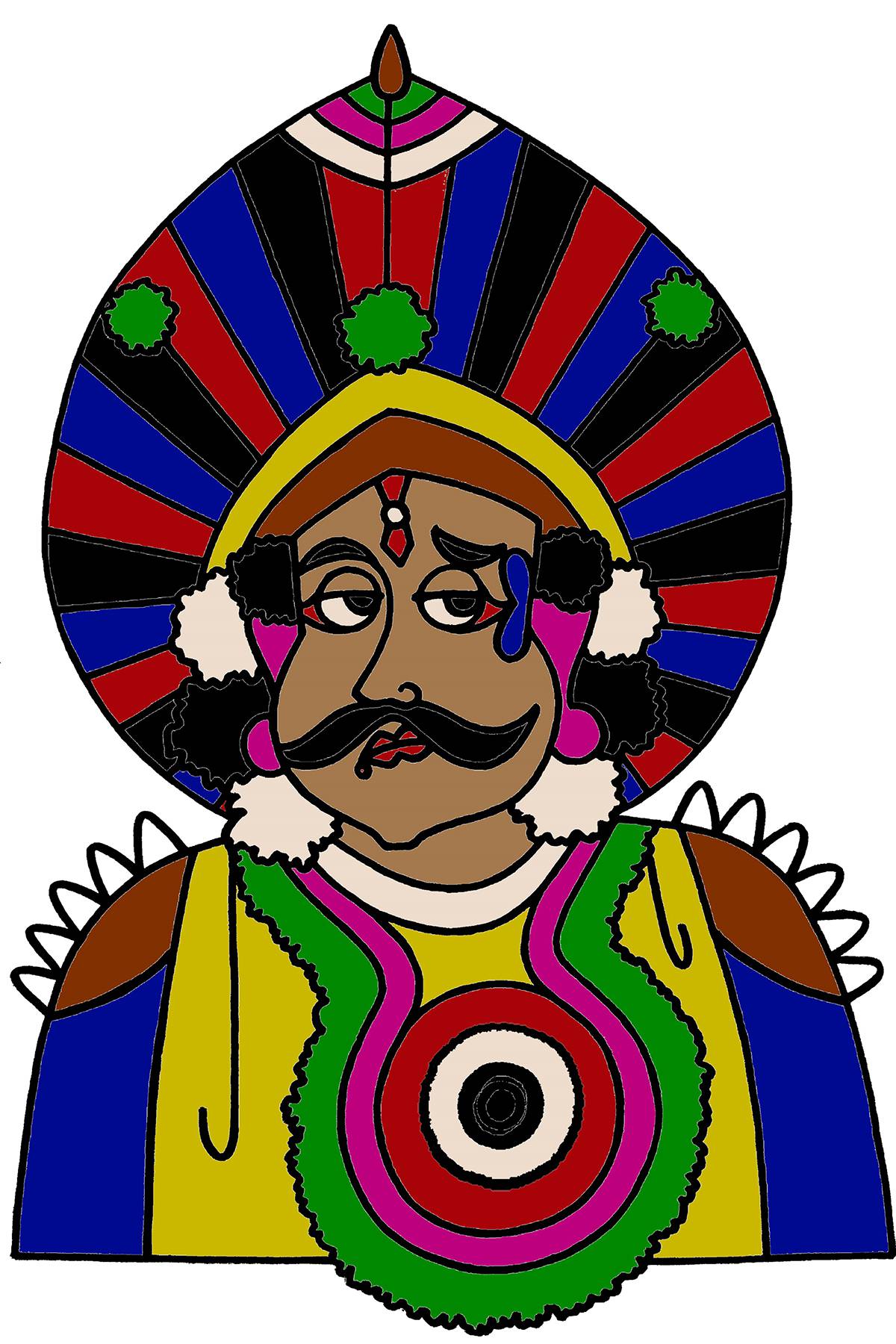
Bad
Bored
Indefferent
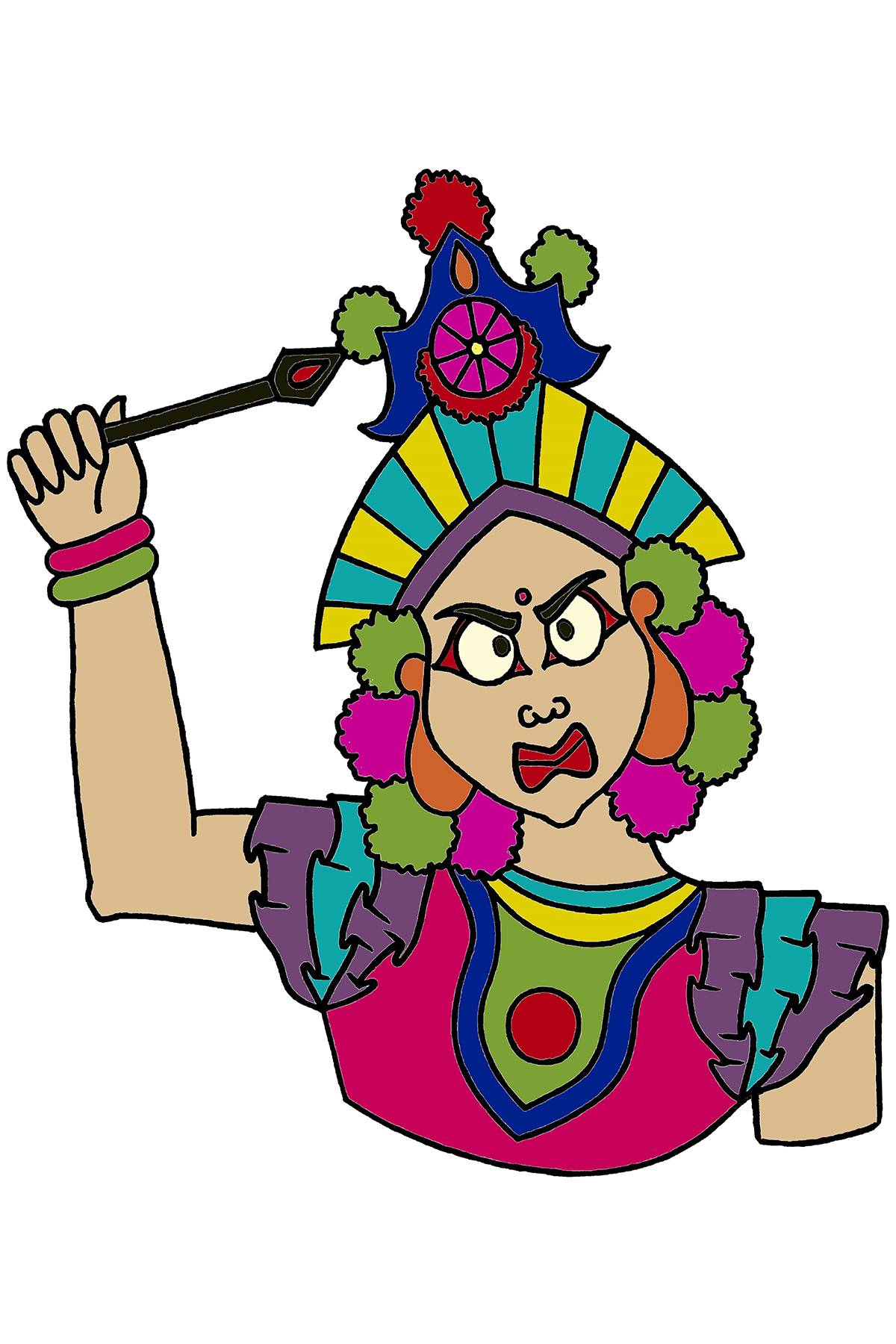
Bad
Stressed
Out of Control
Emotion: Surprised

Surprised
Amazed
Astonished
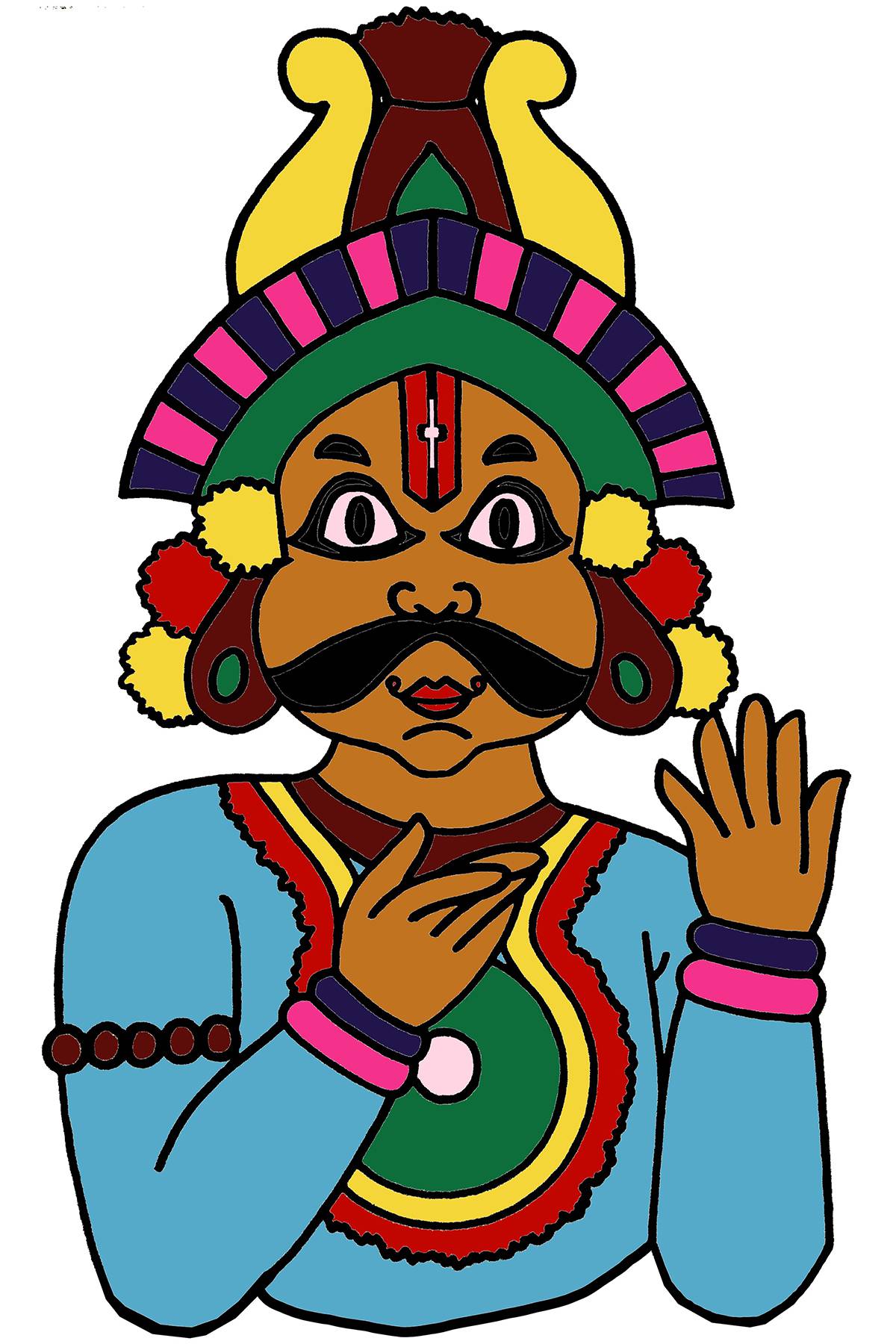
Surprised
Amazed
Awe
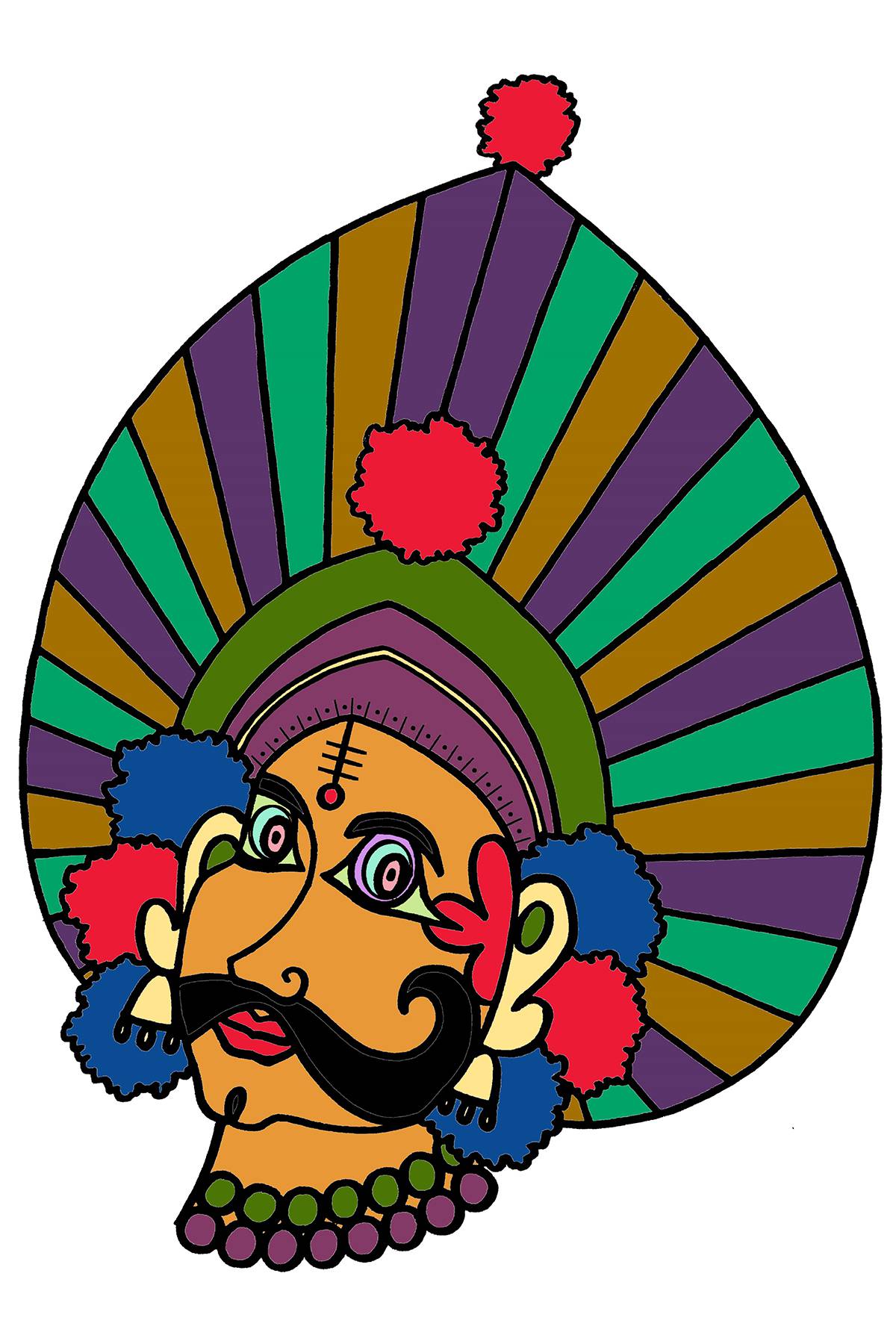
Surprised
Confused
Disillusioned
Emotion: Disgusted
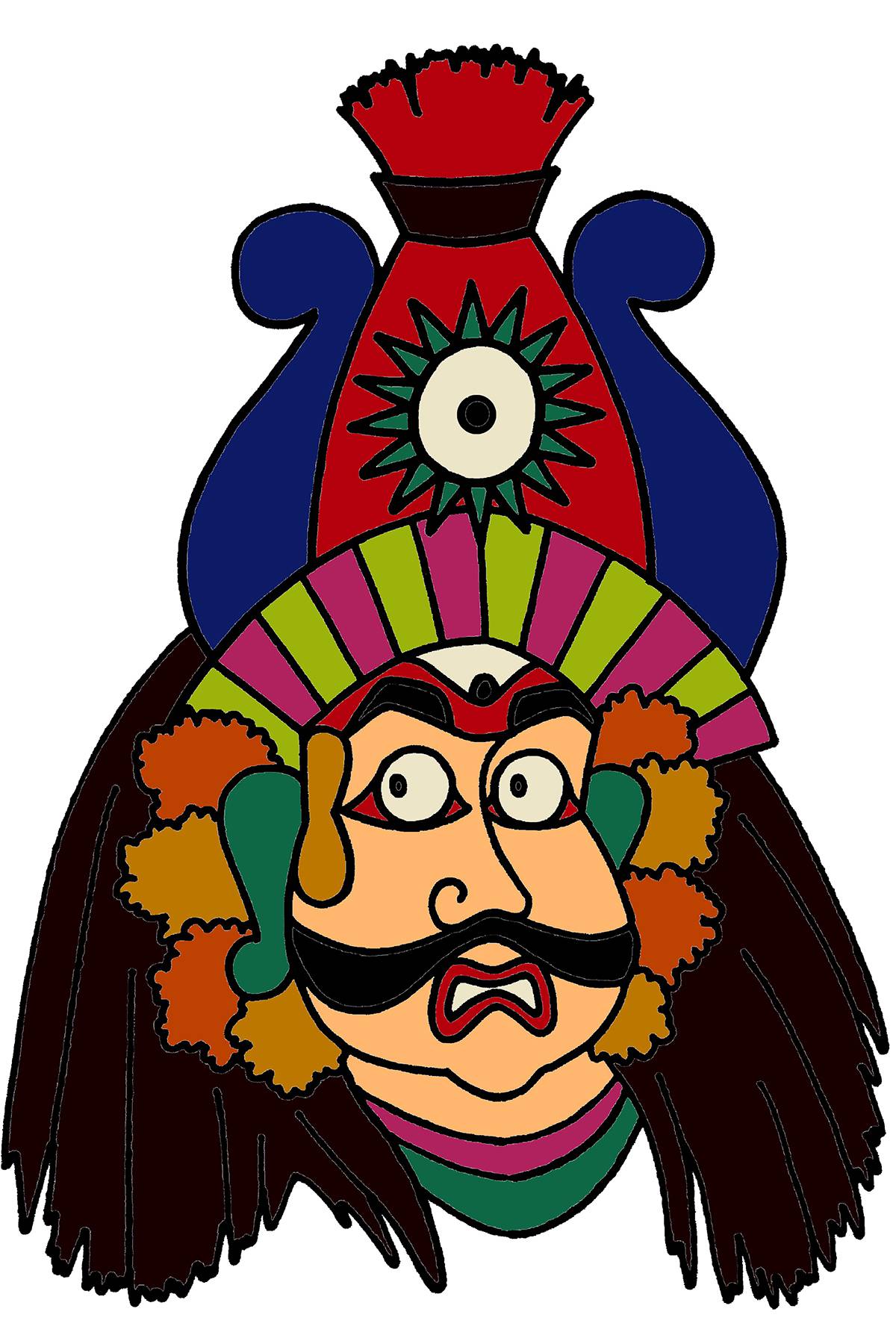
Disgusted
Repelled
Horrified
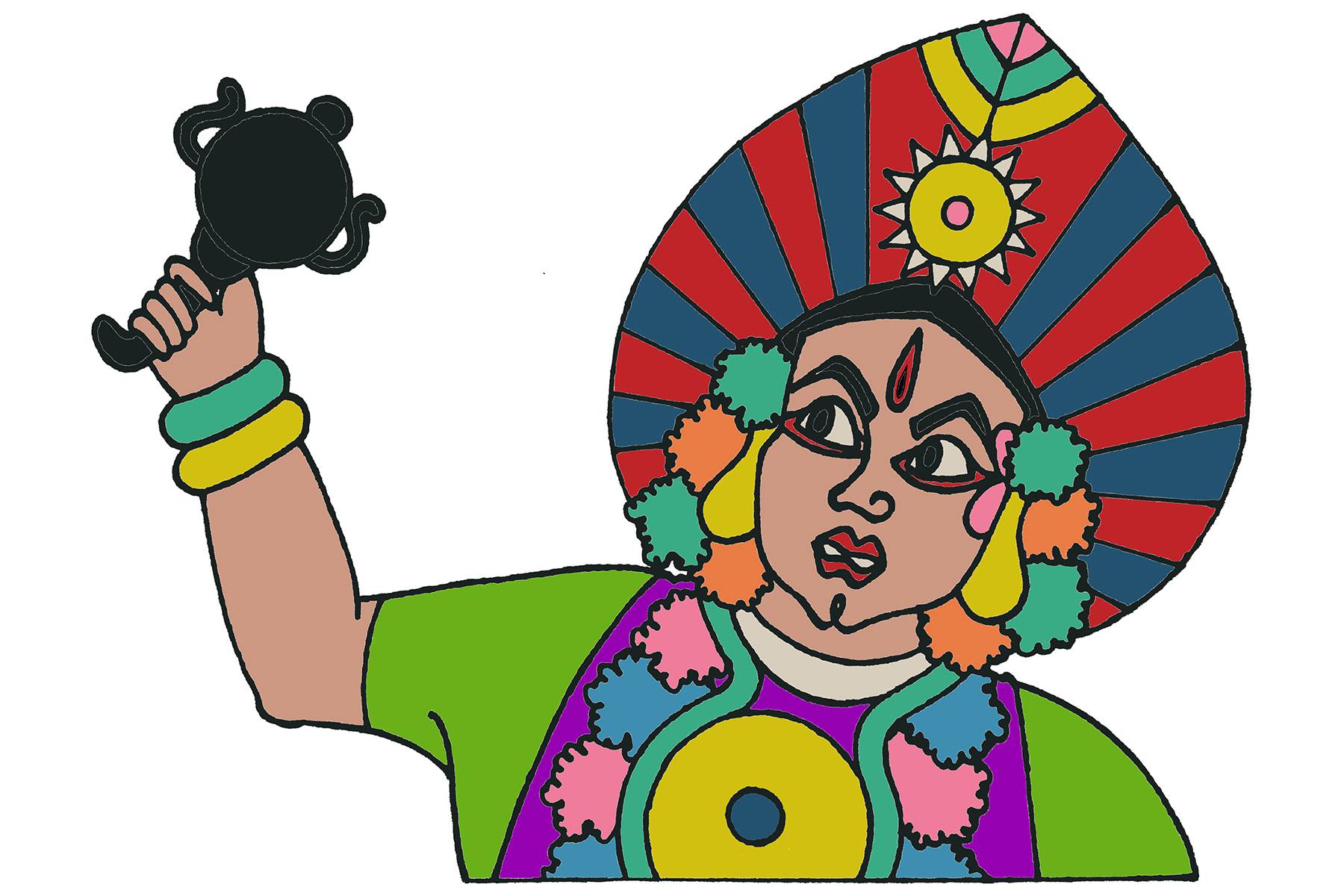
Disgusted
Disappointed
Revolted
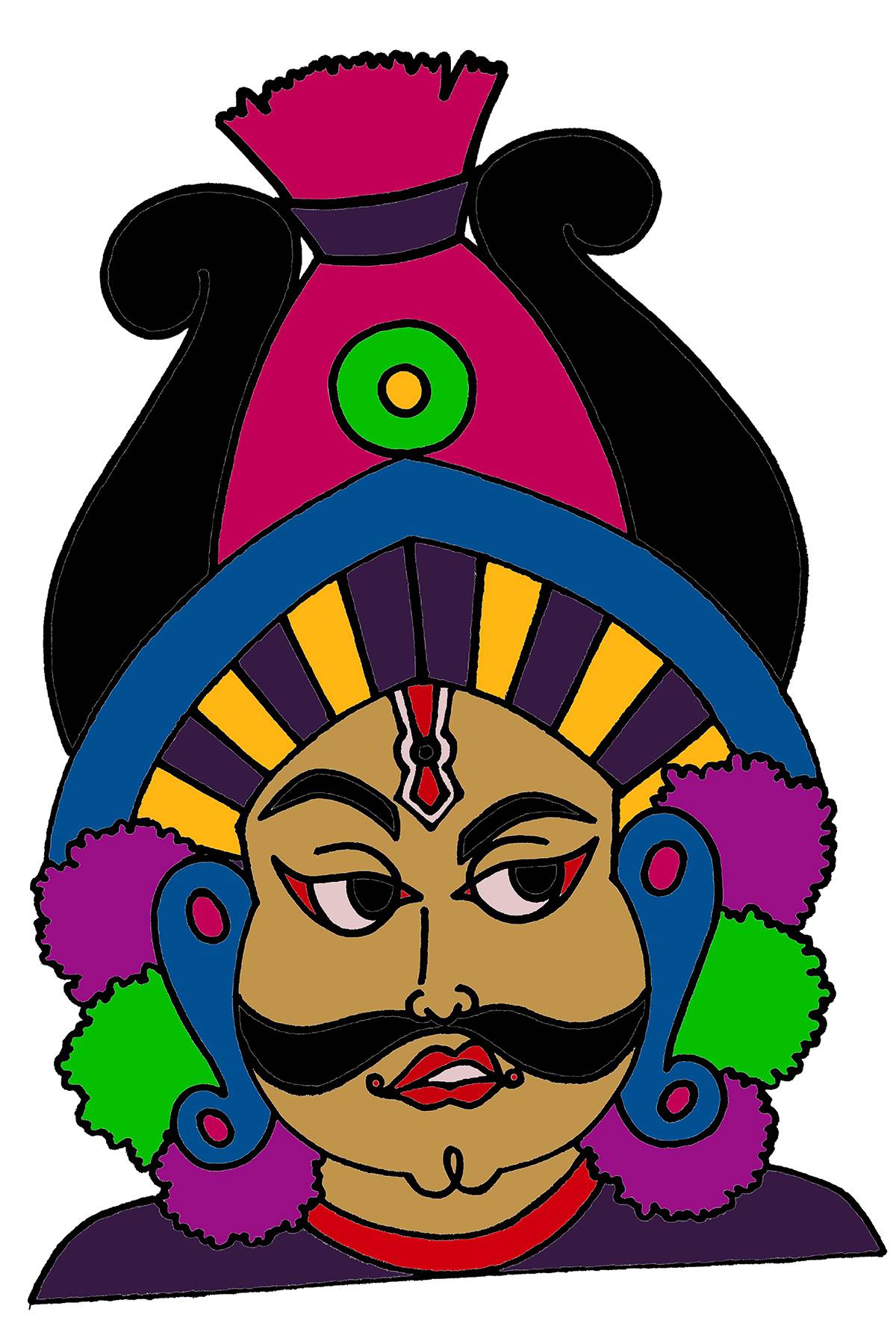
Disgusted
Disapproving
Judgemental
Emotion: Fearful
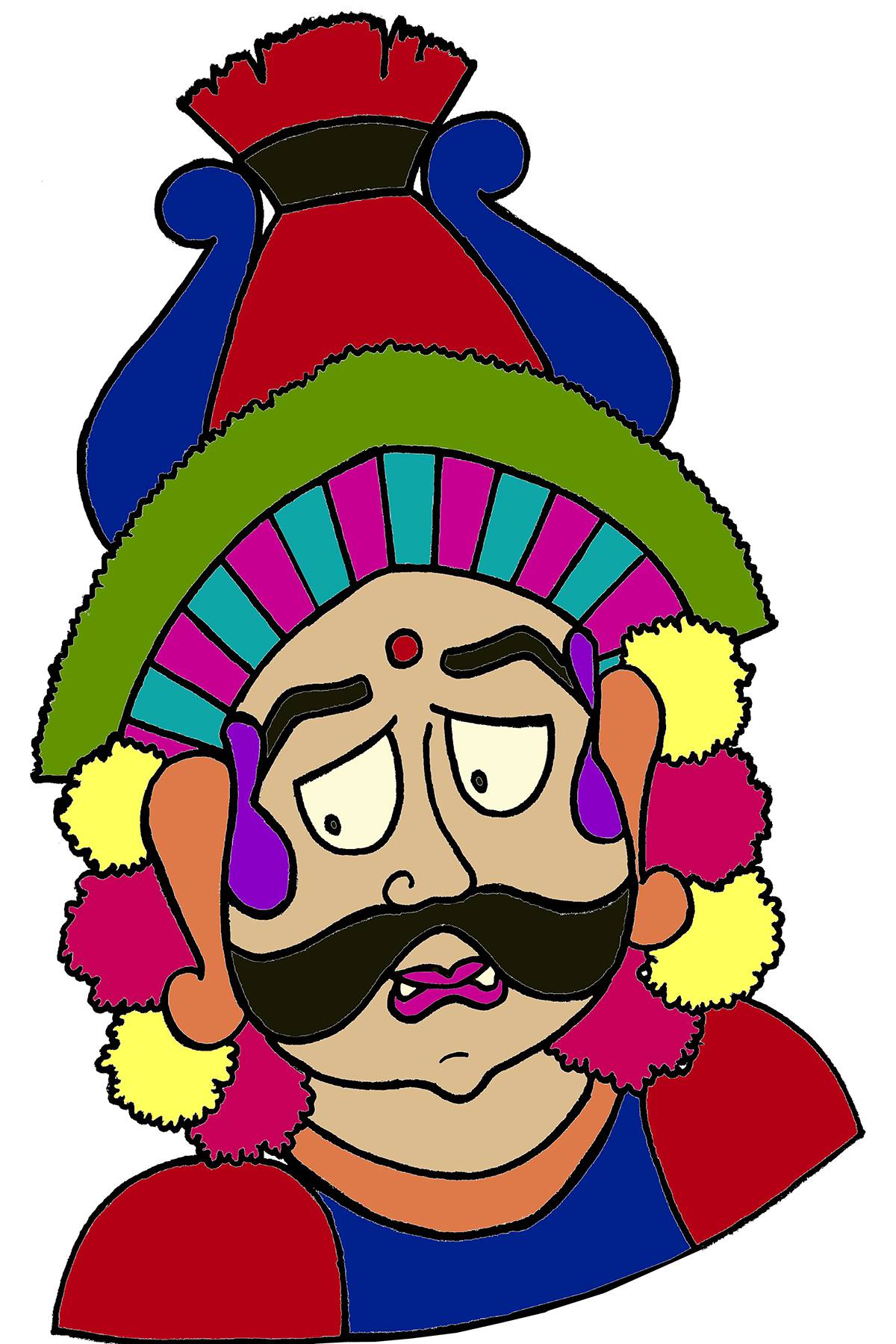
Fearful
Threatened
Nervous
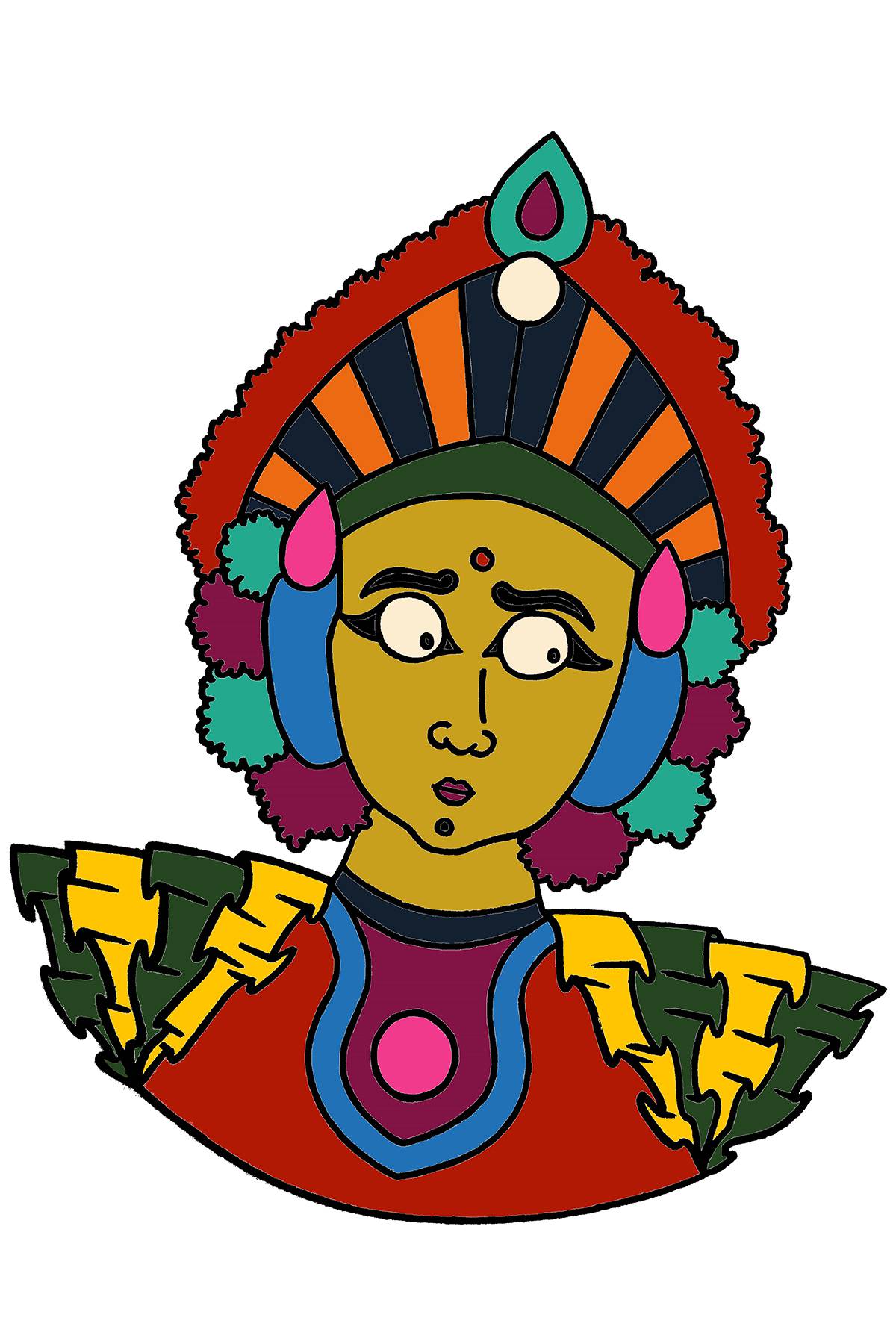
Fearful
Anxious
Worried
Fearful
Scared
Frightened
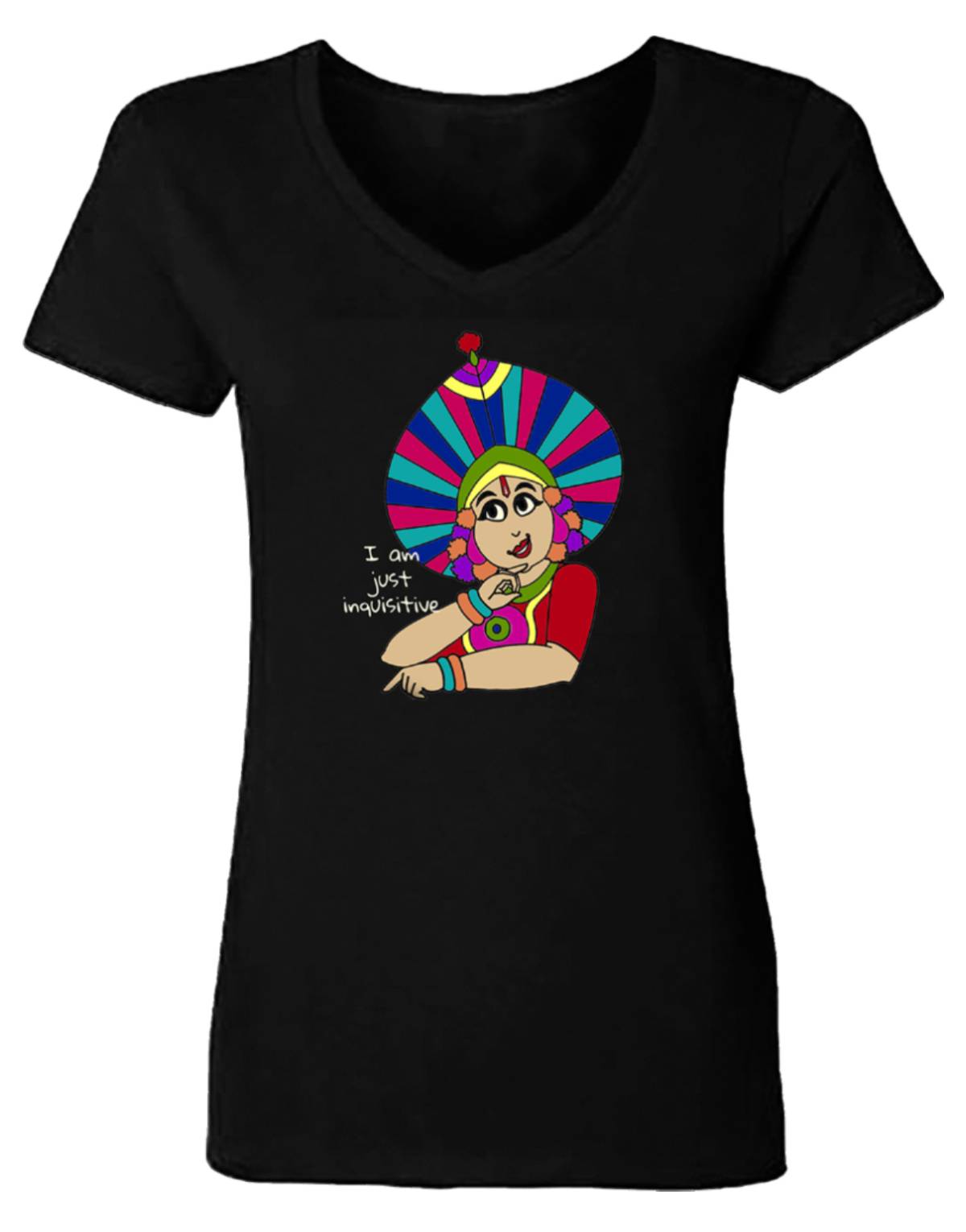
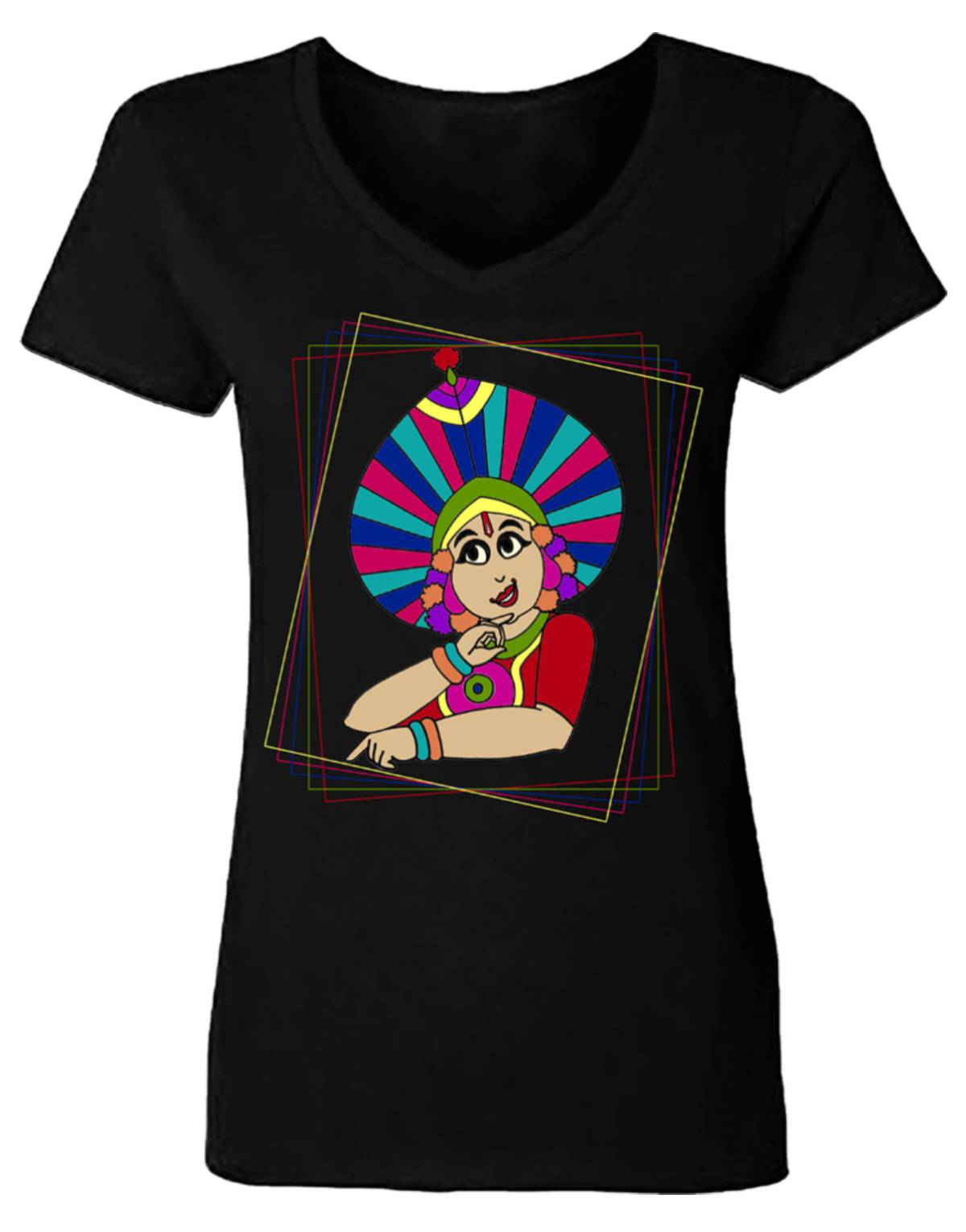
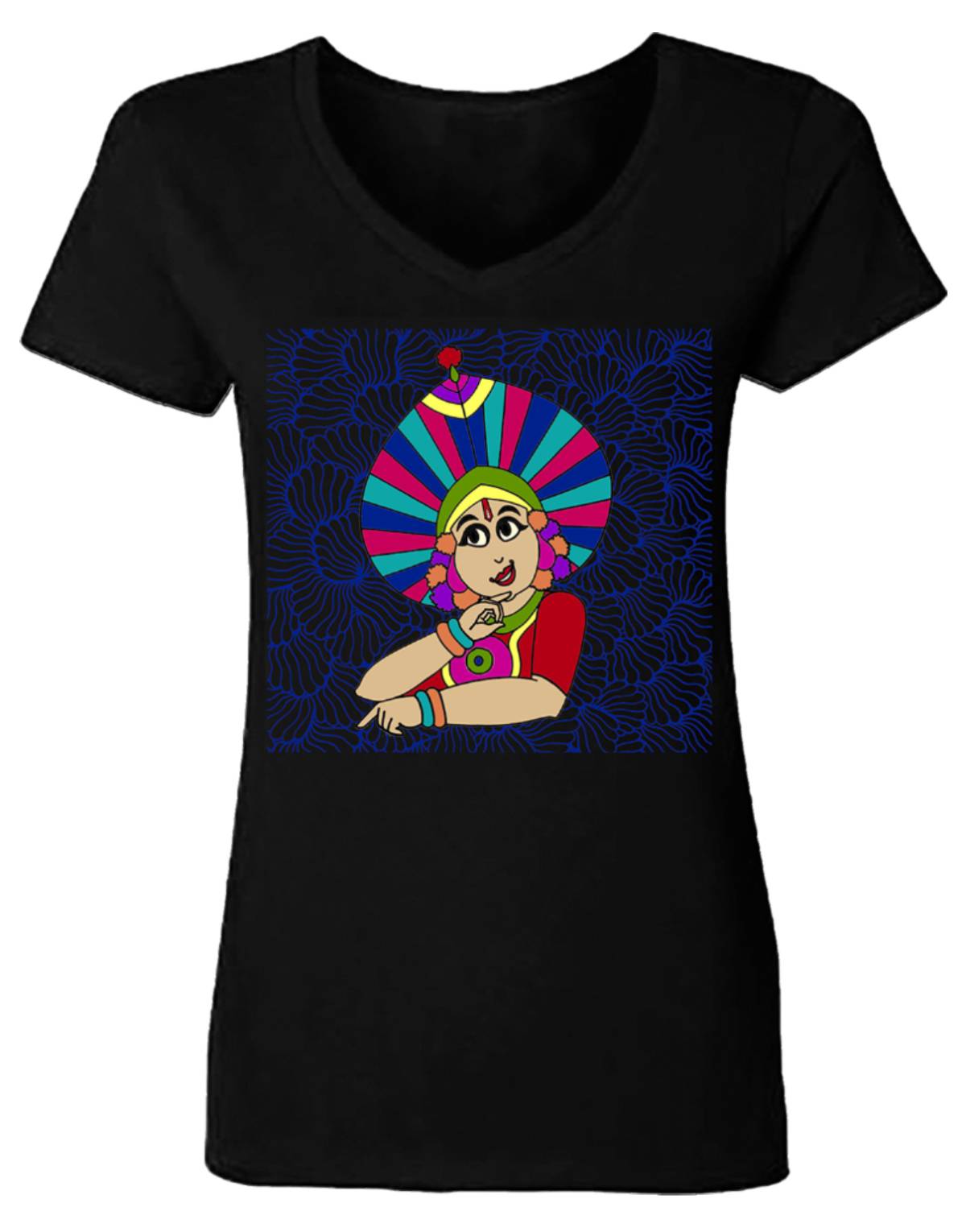
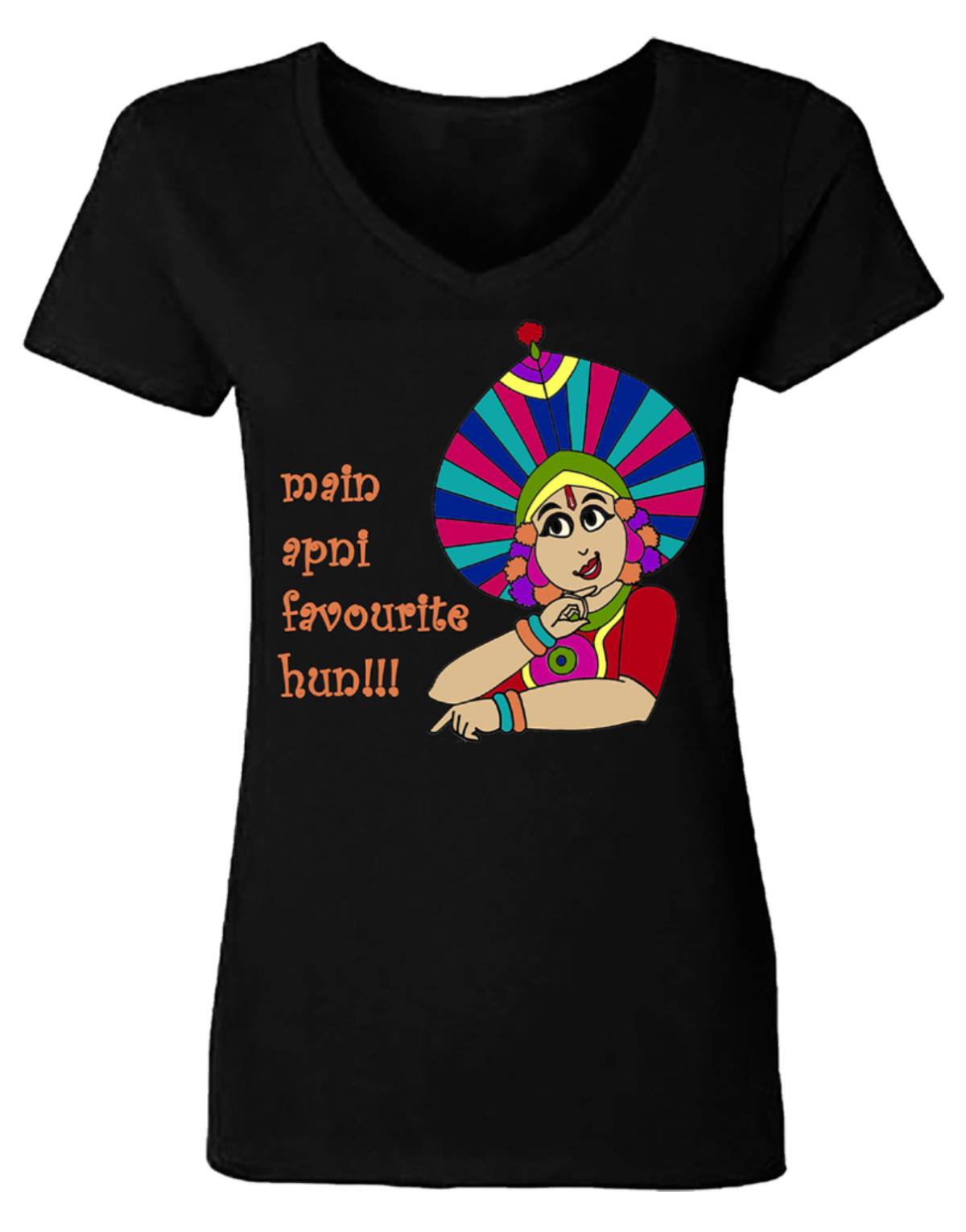
HAPPY – INTERESTED – INQUISITIVE
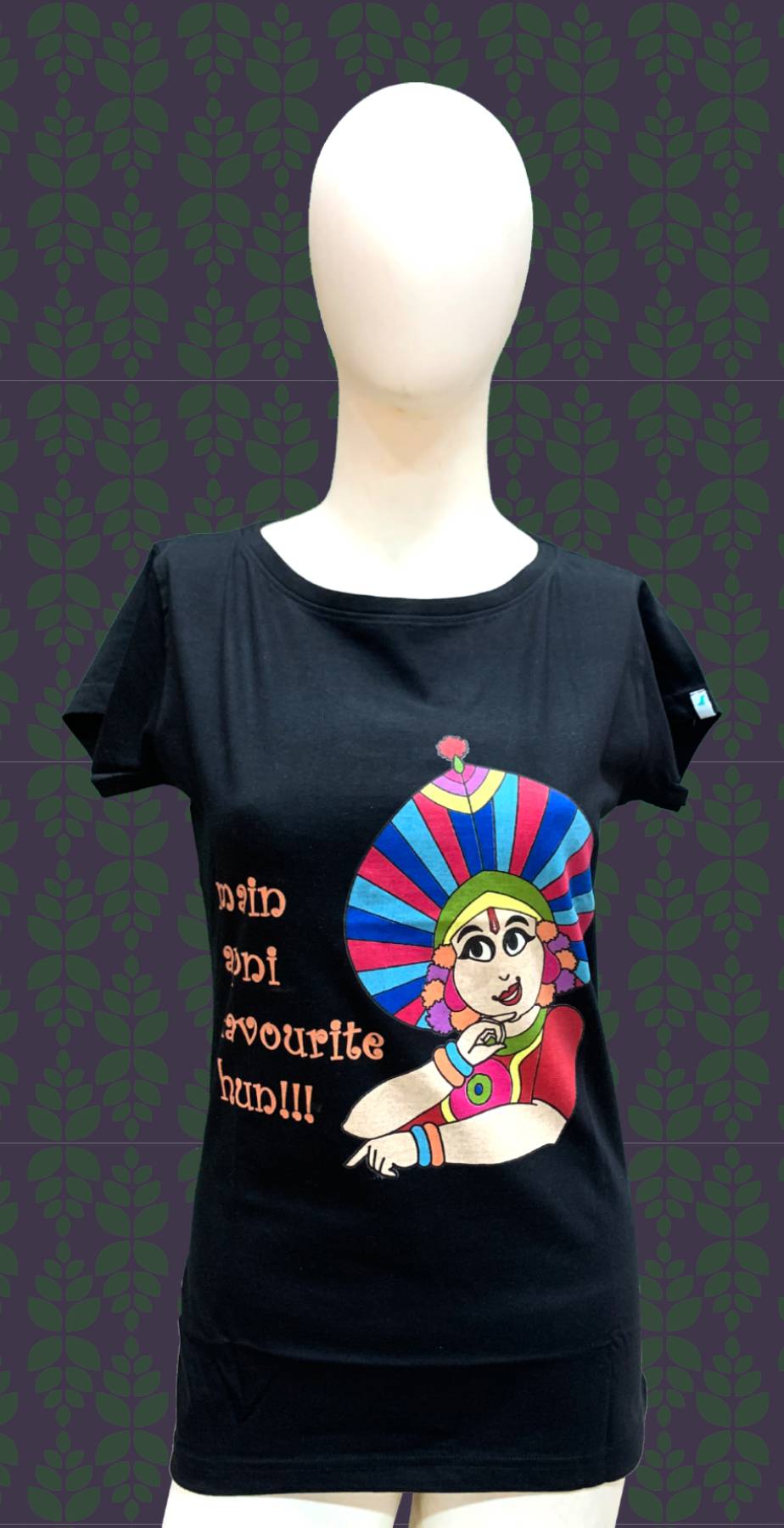
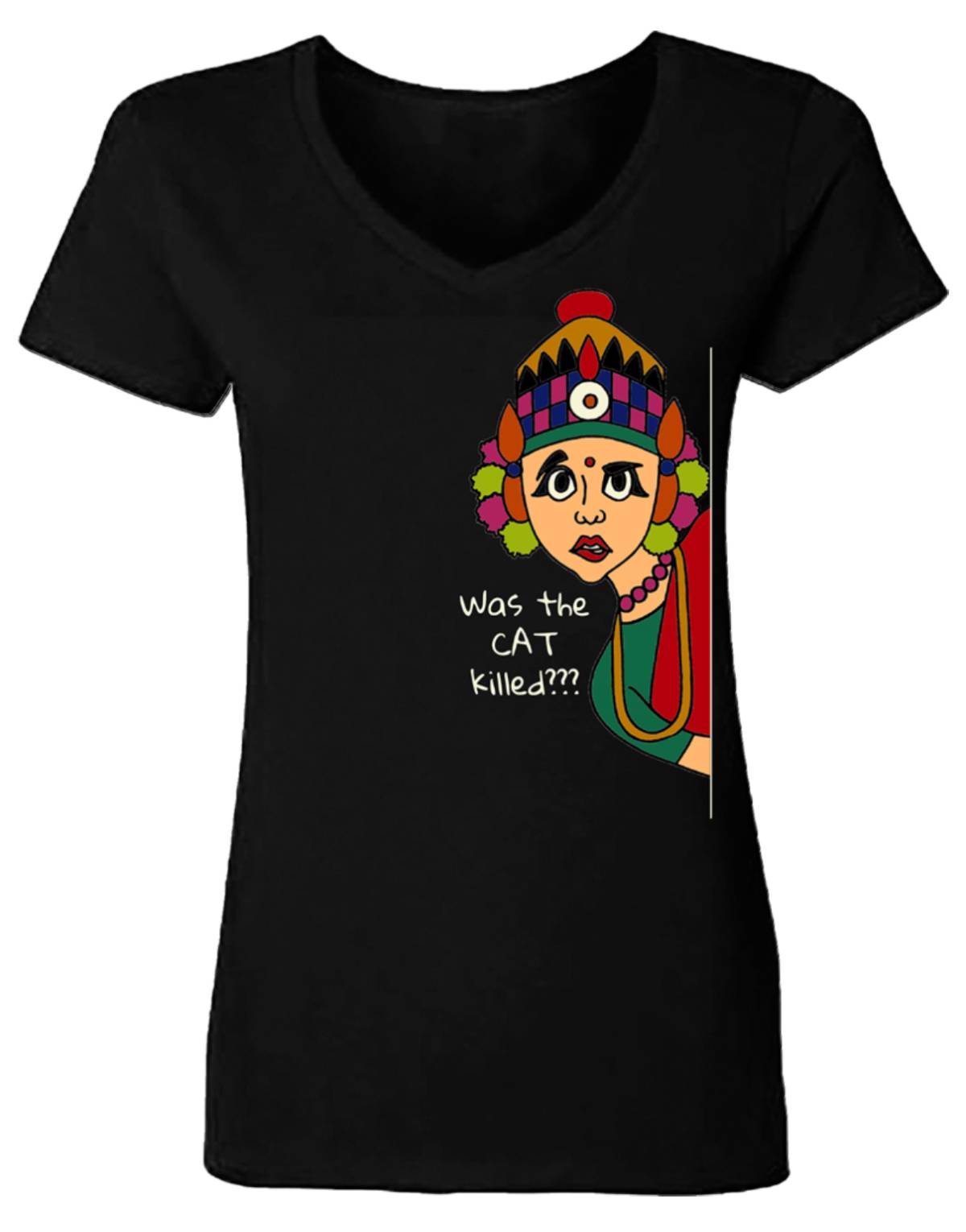
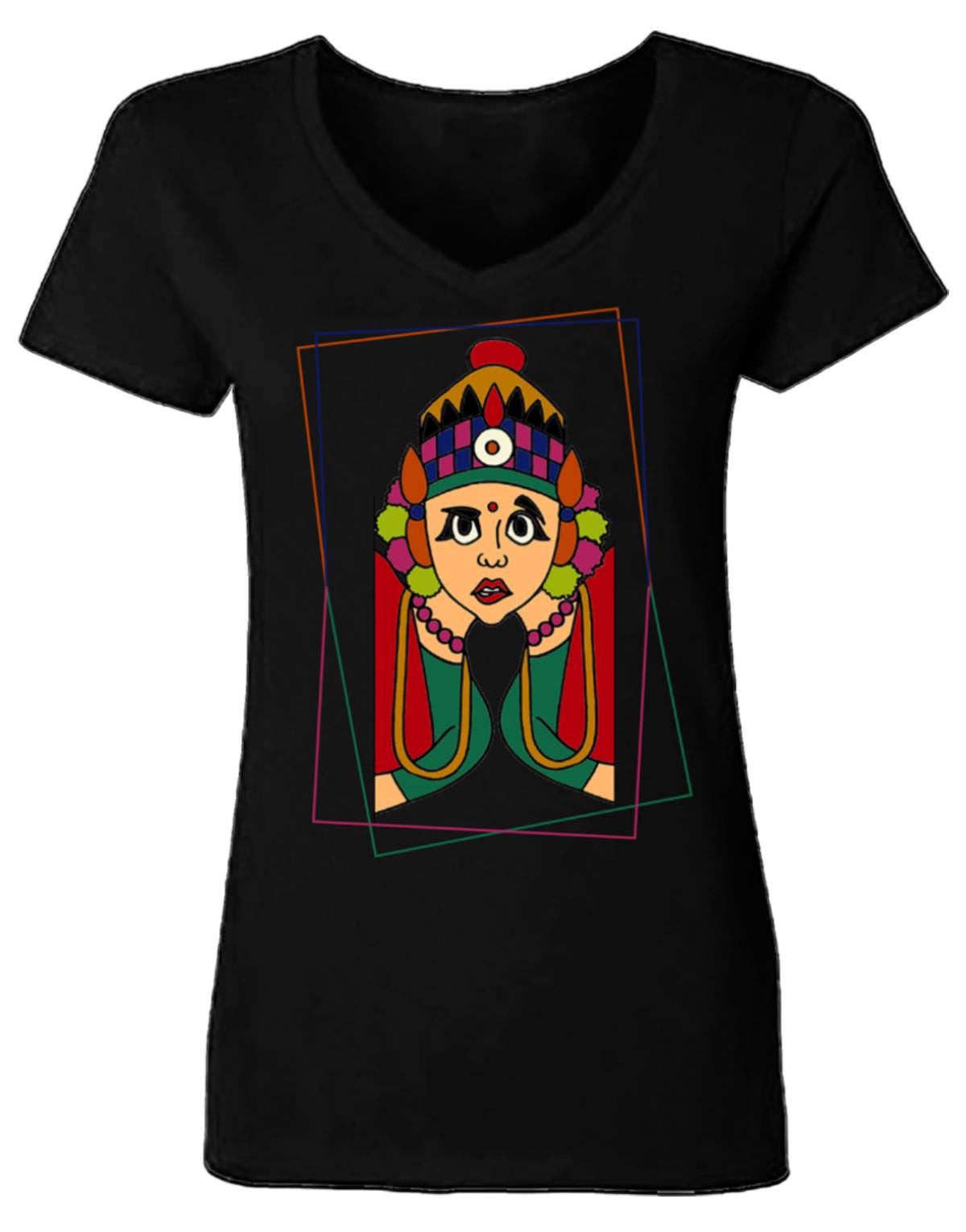
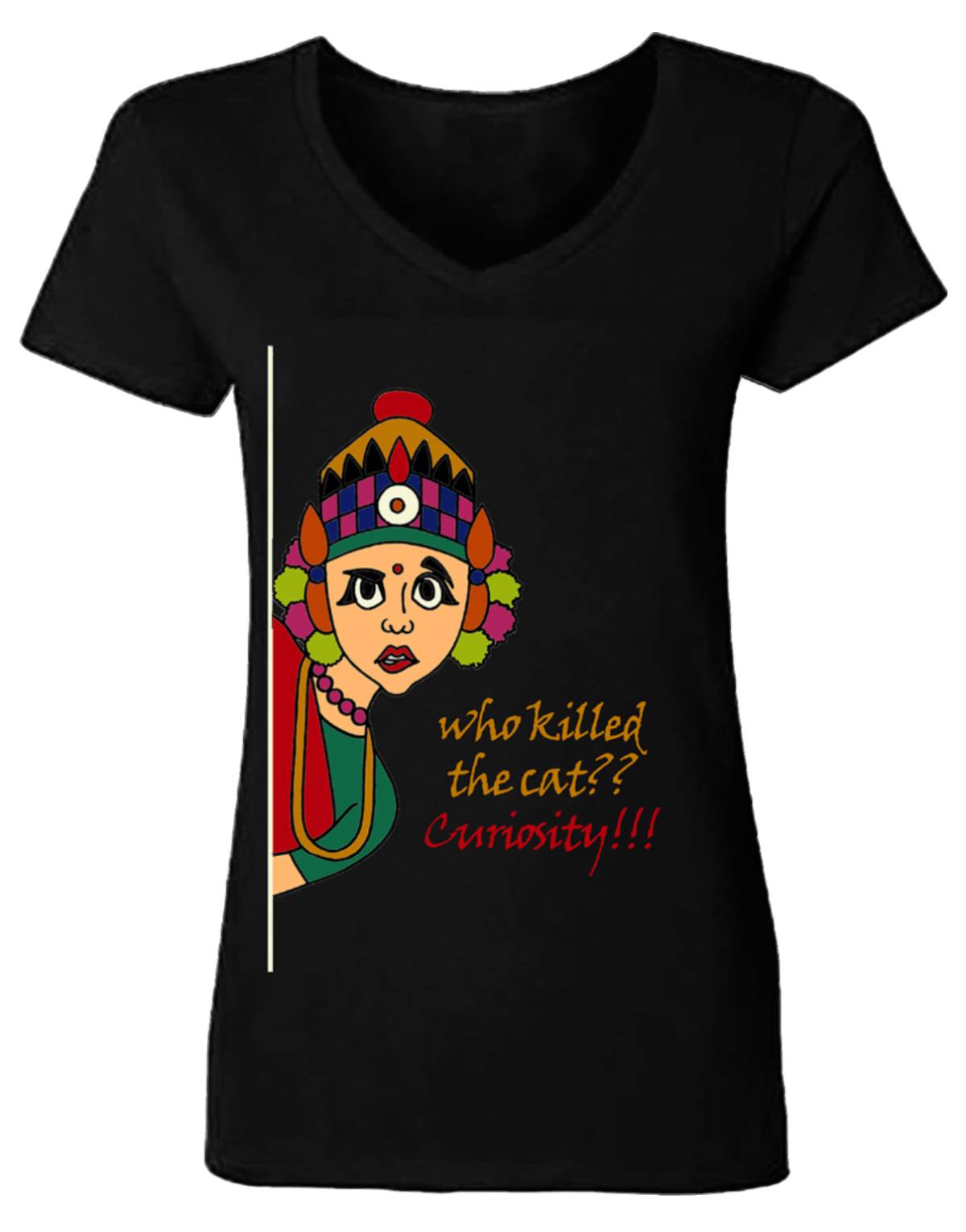
HAPPY – INTERESTED – CURIOUS
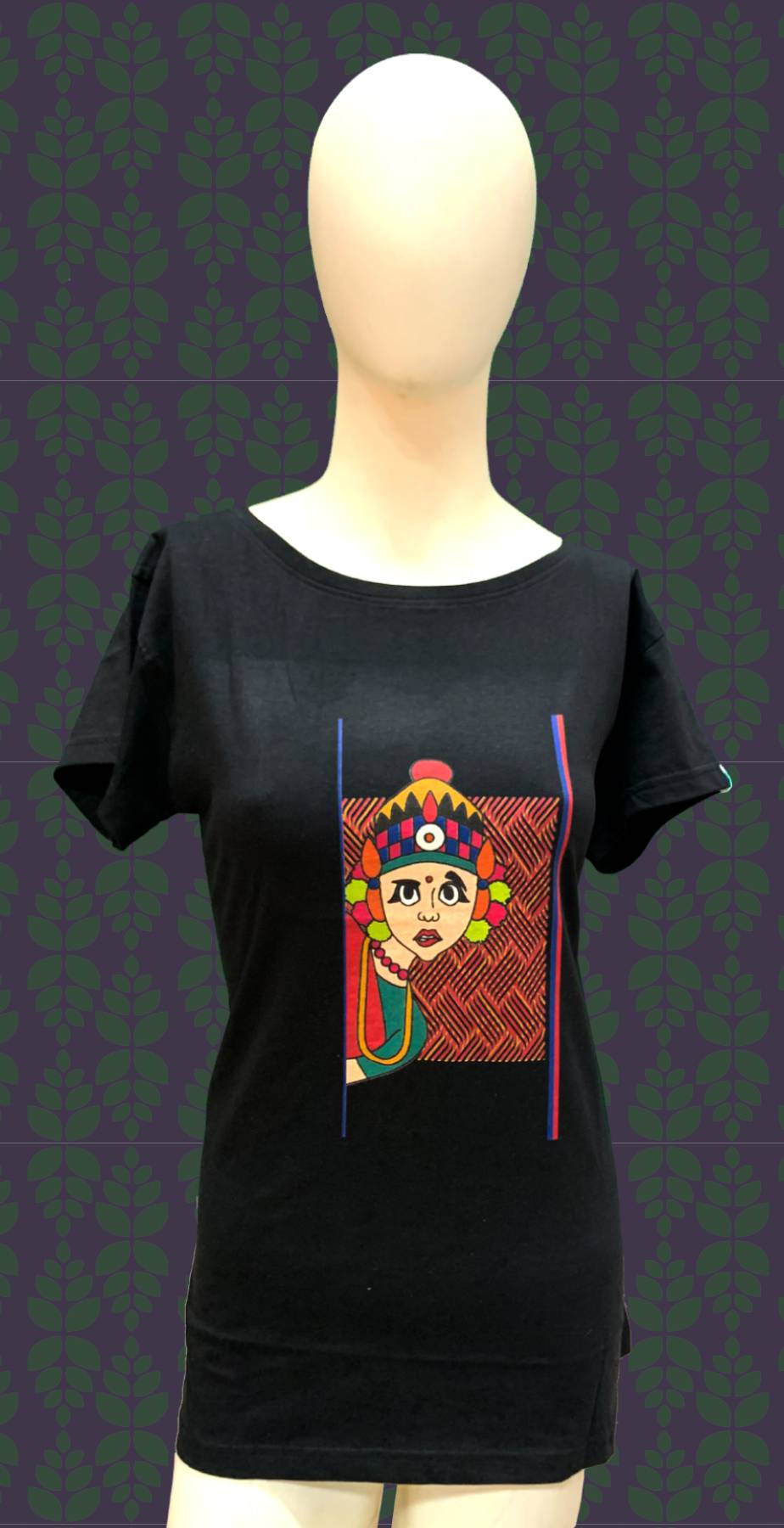
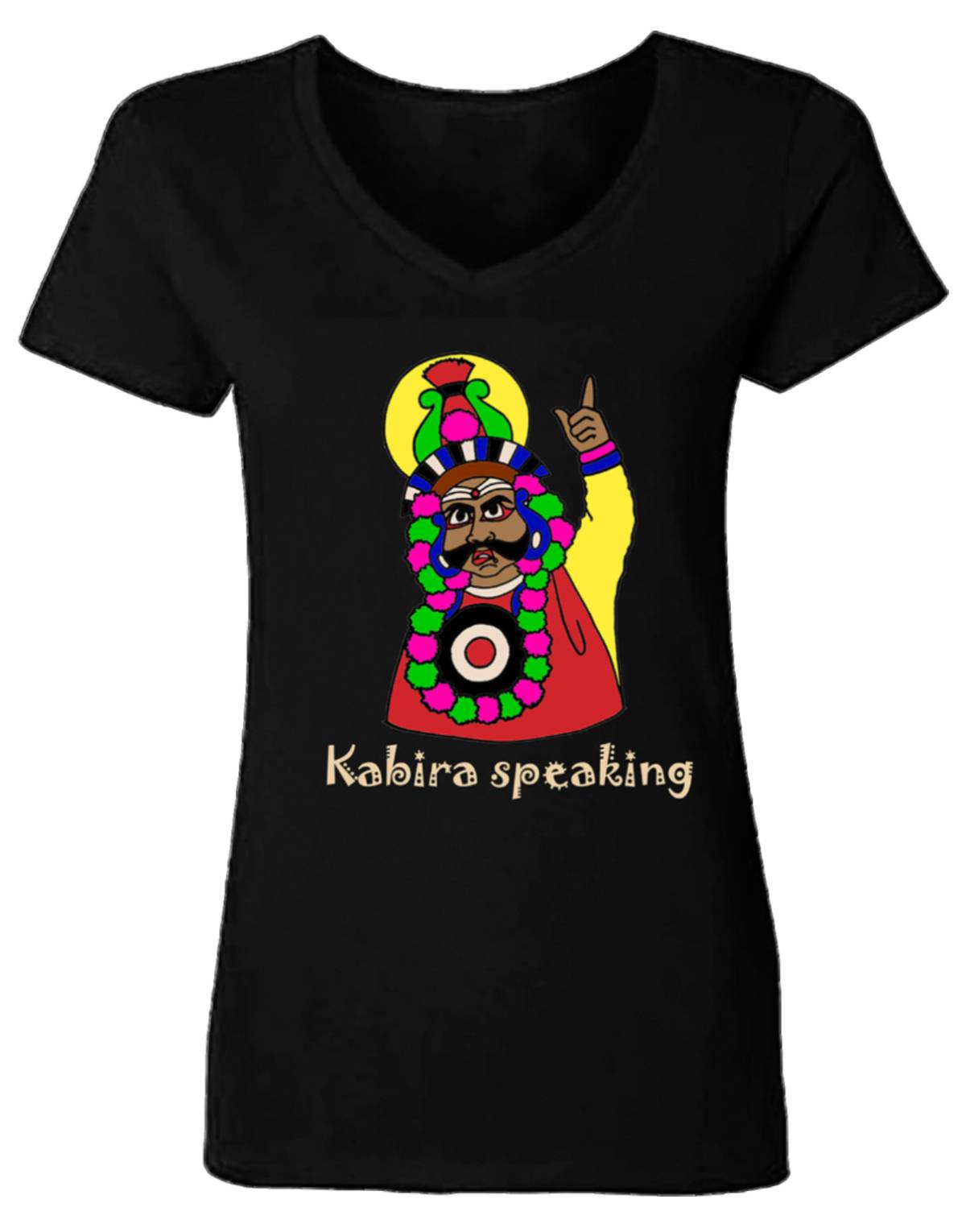
ANGRY – MAD – FURIOUS
SAD – DESPAIR – GRIEF
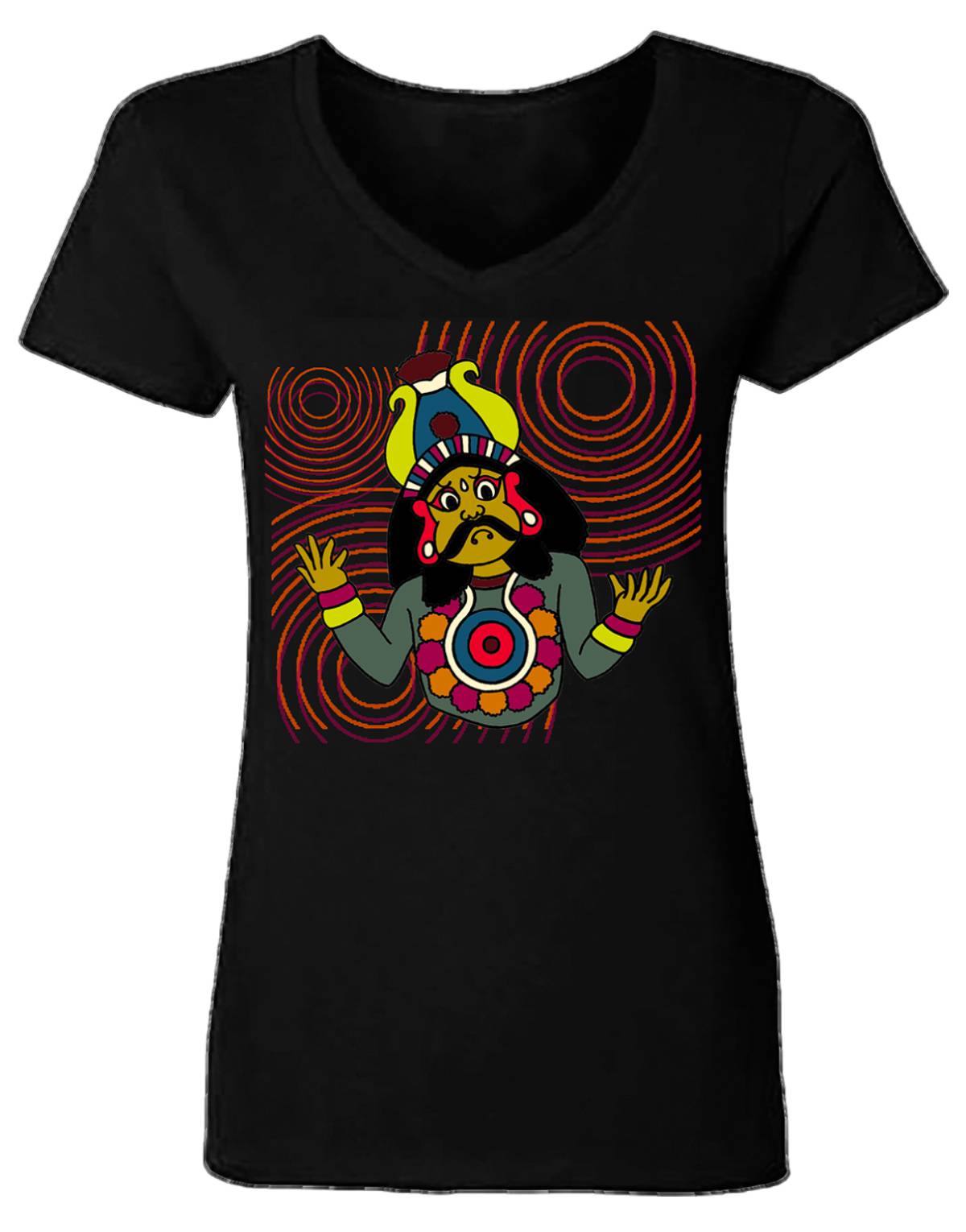
BAD – STRESSED – OVERWHELMED
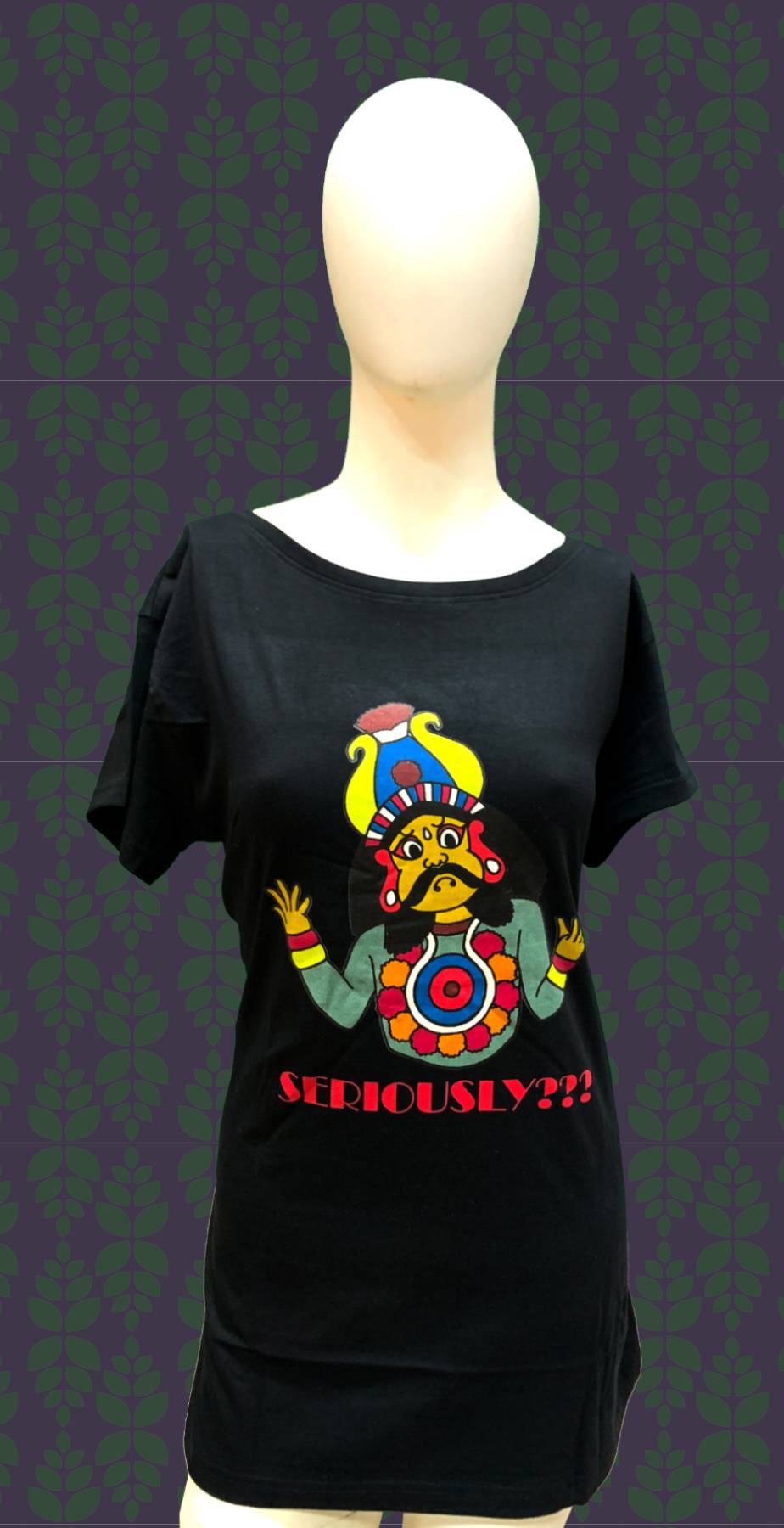
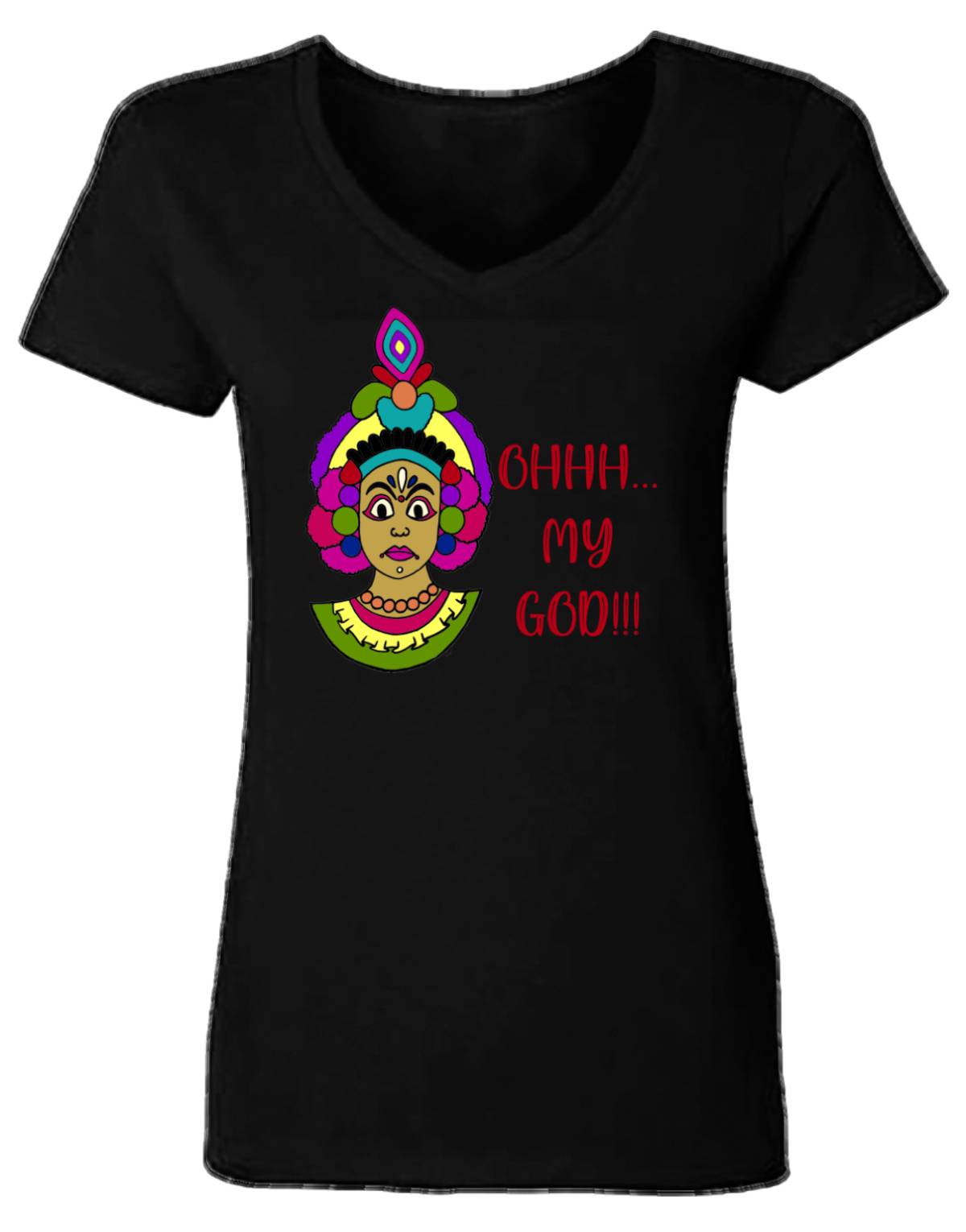
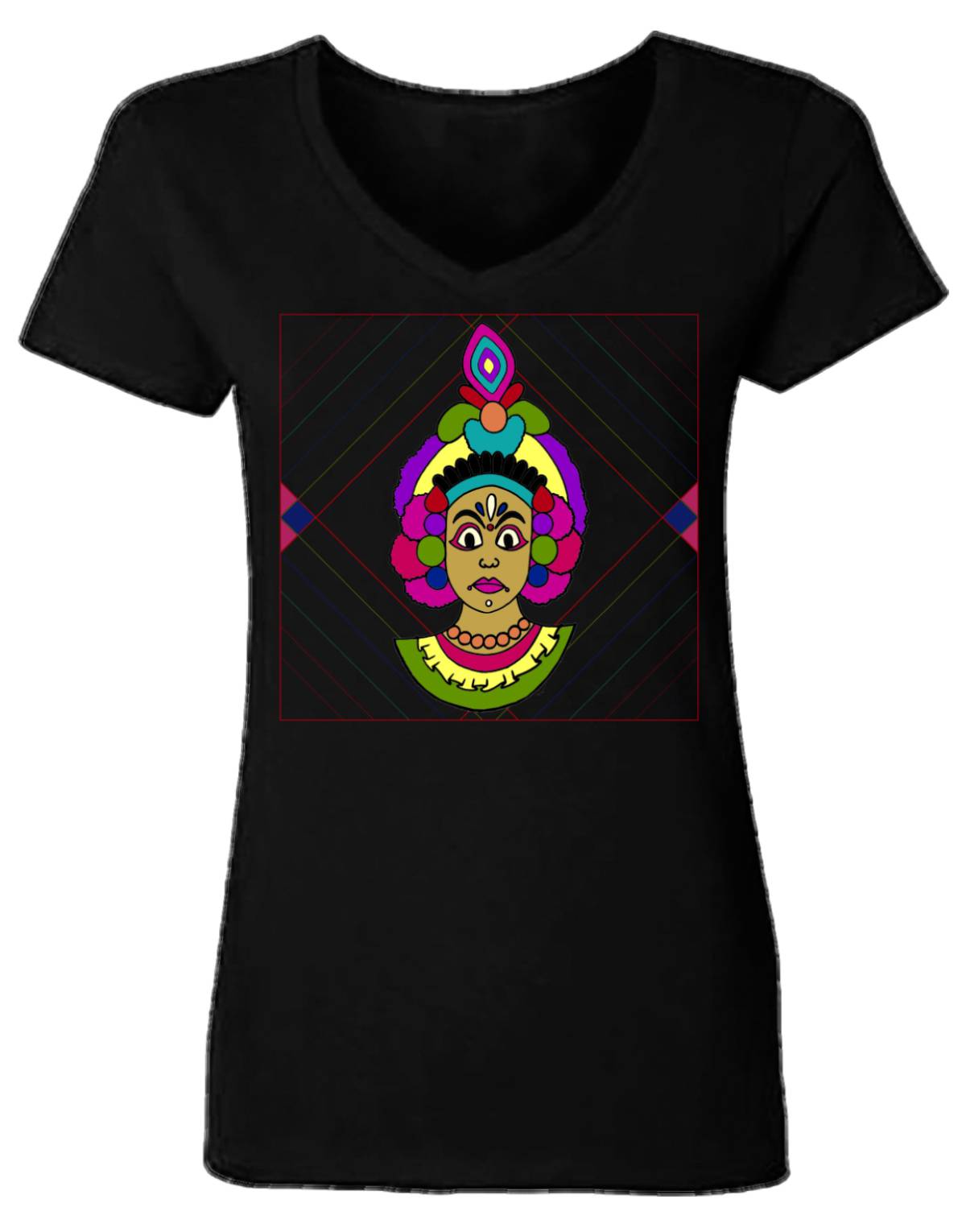
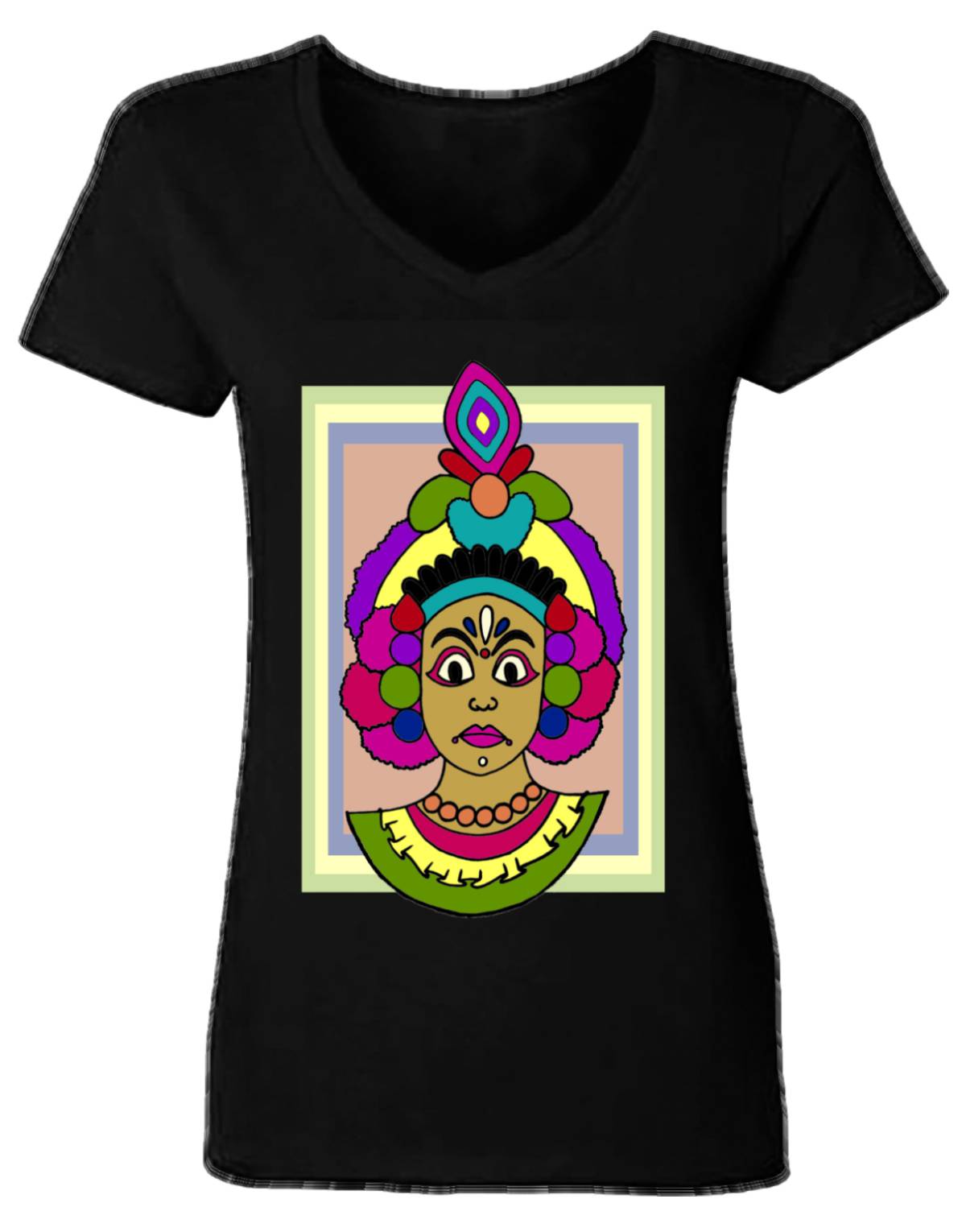
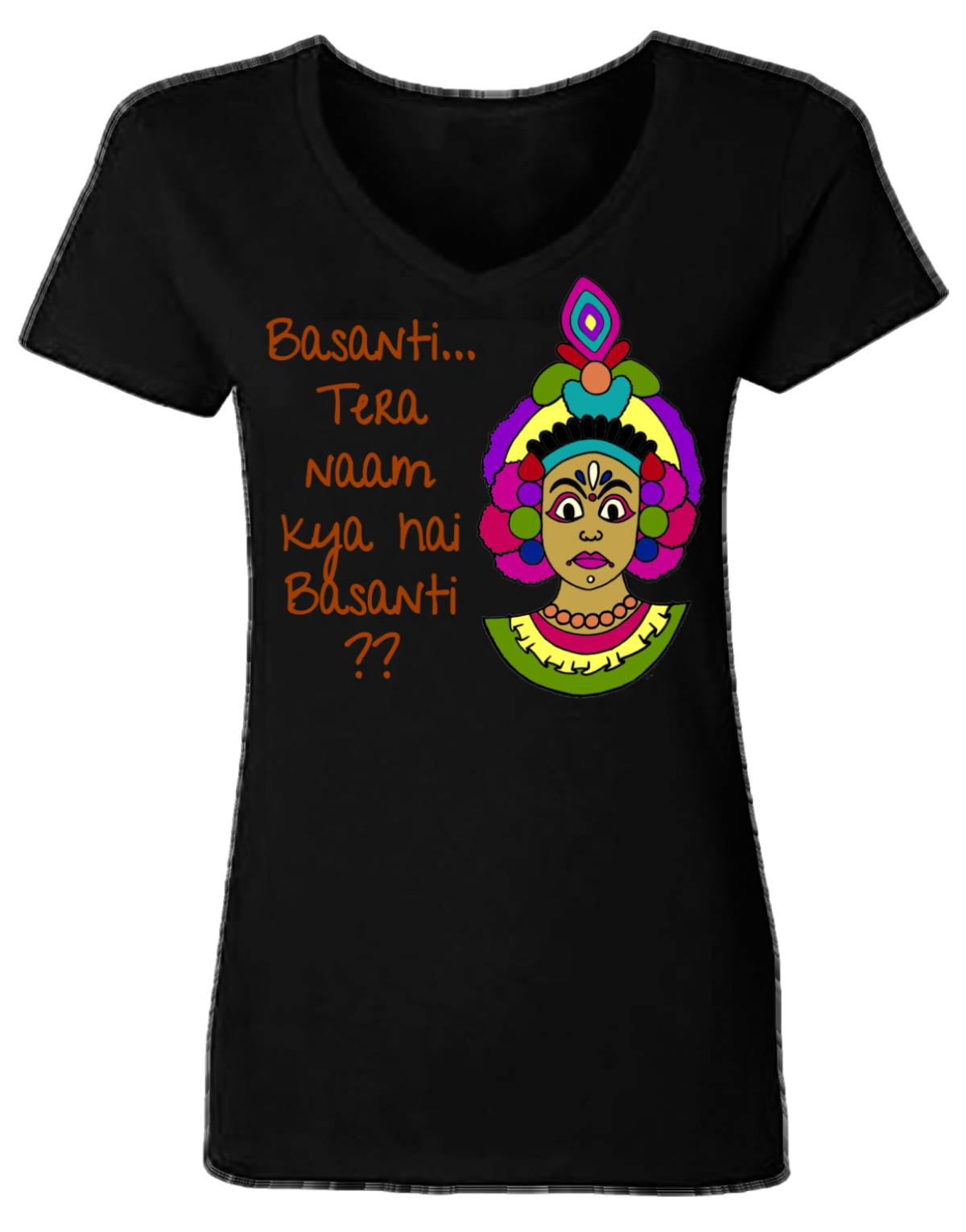
SURPRISED – AMAZED – ASTONISHED
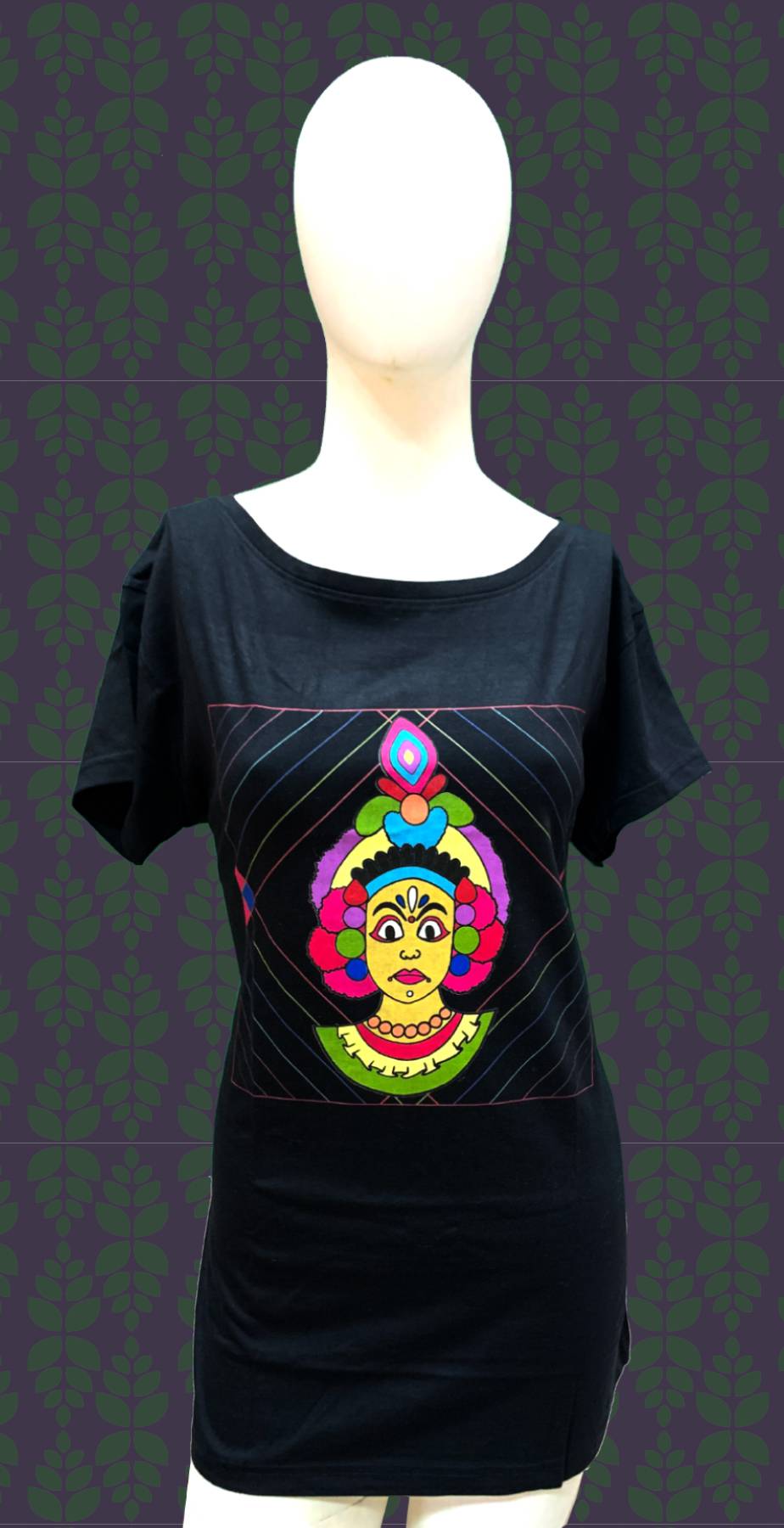
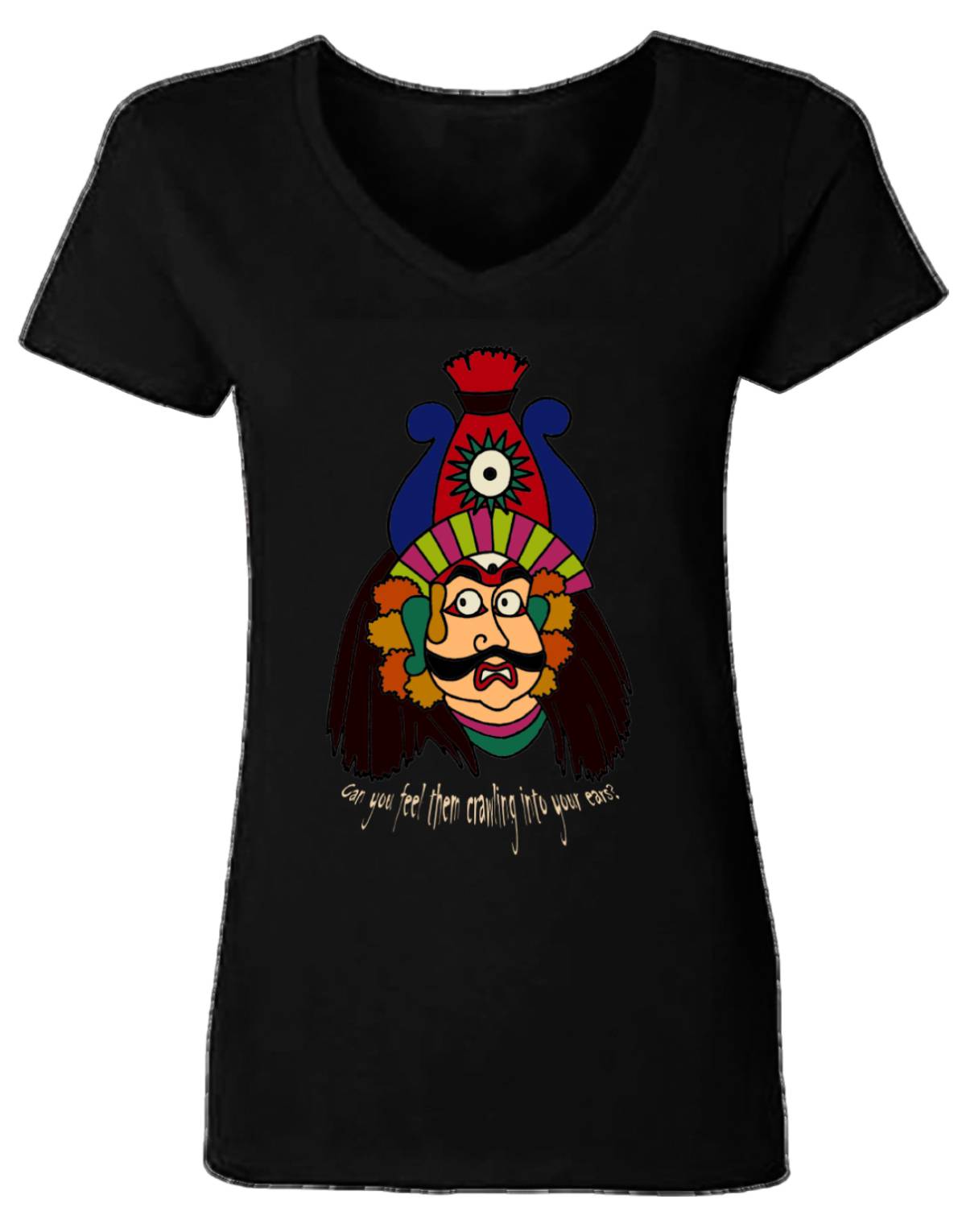
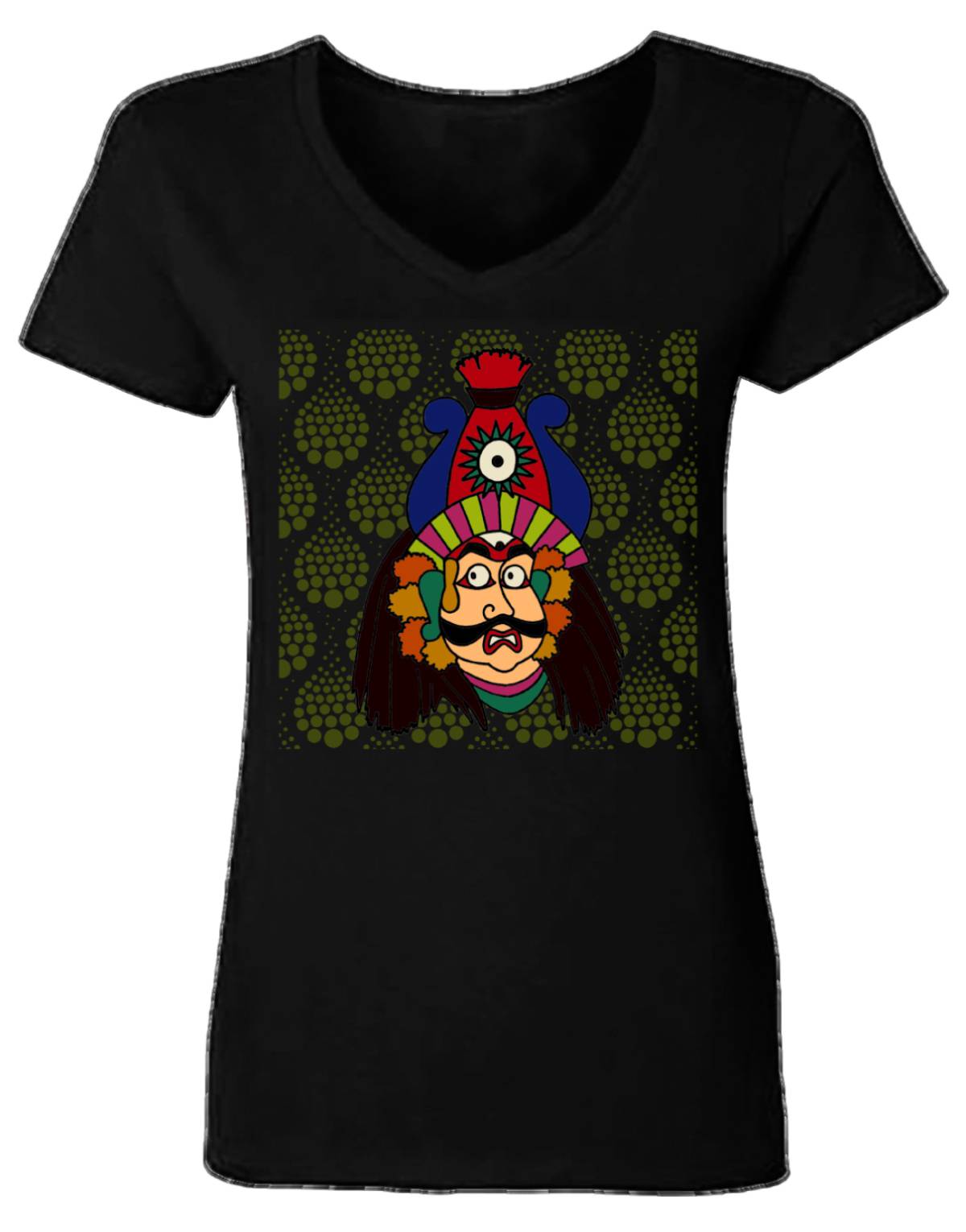
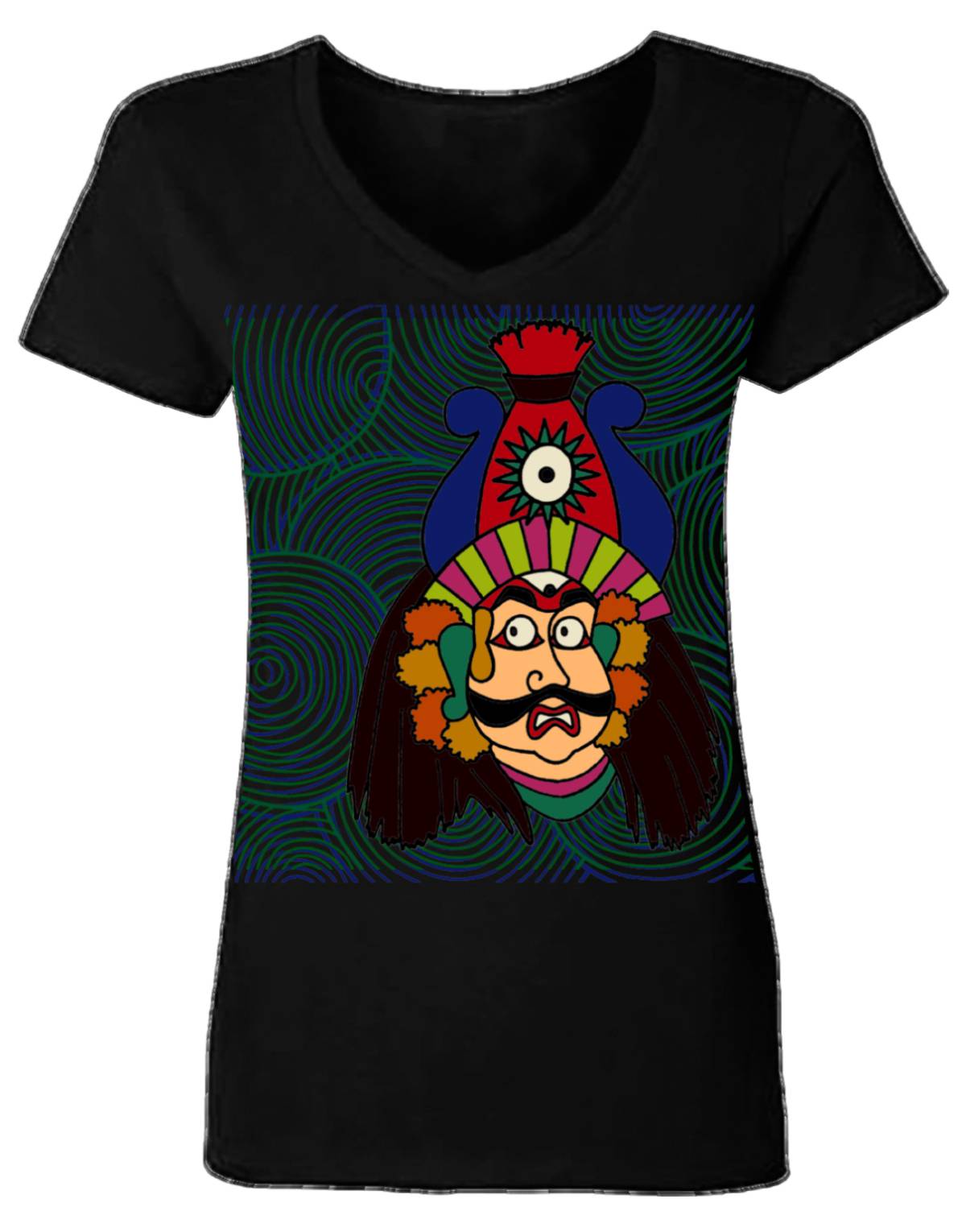
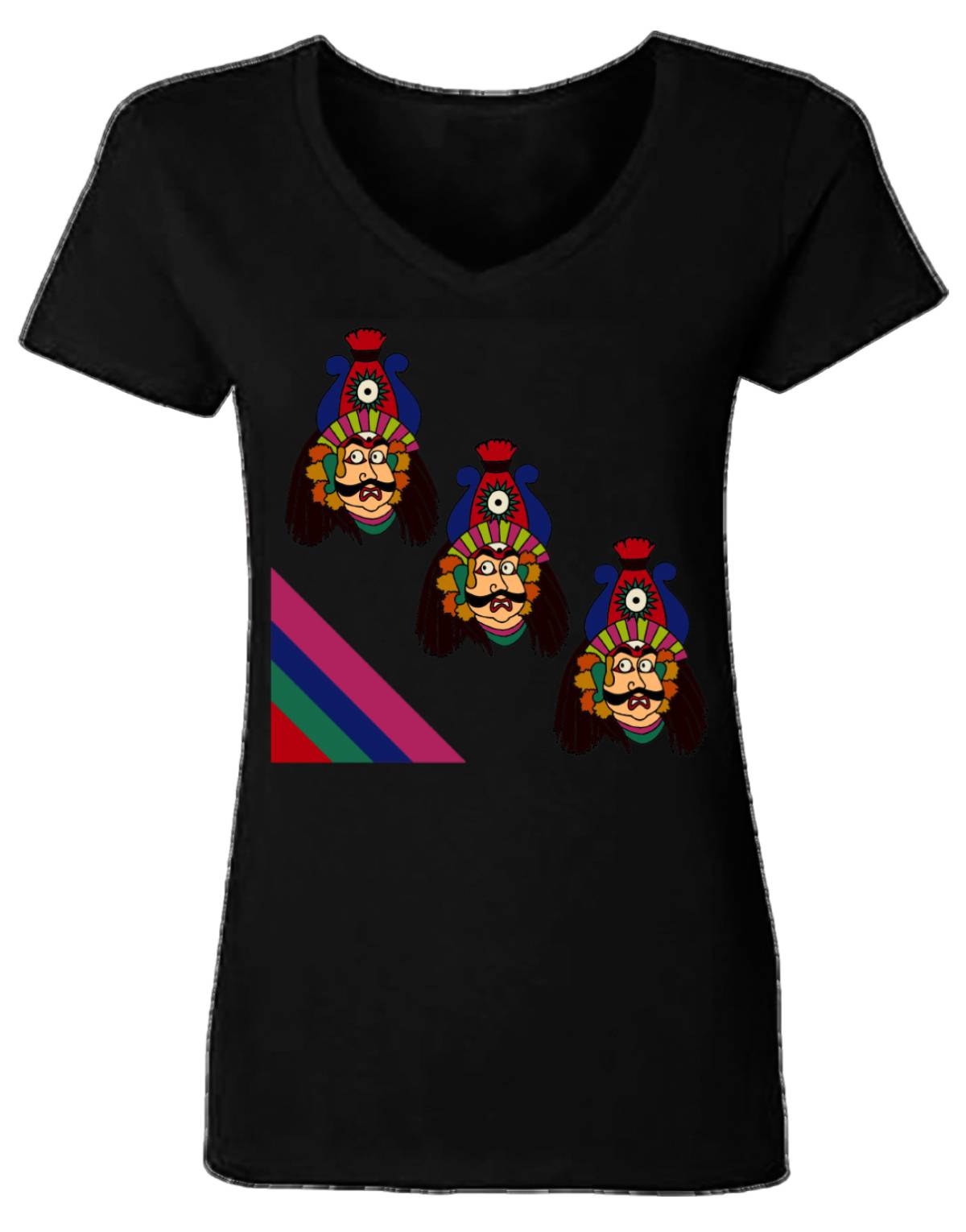
DISGUSTED – REPELLED – HORRIFIED
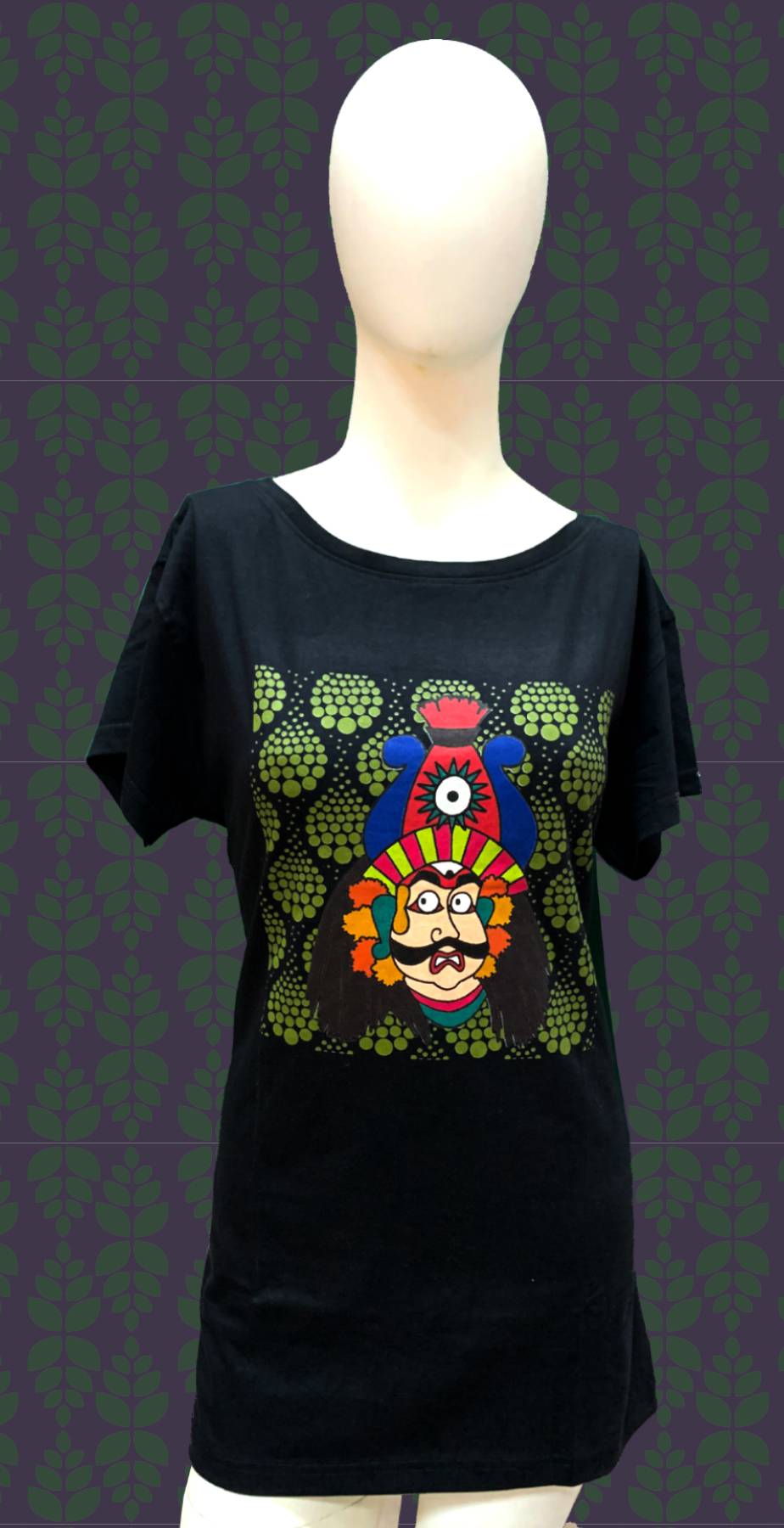
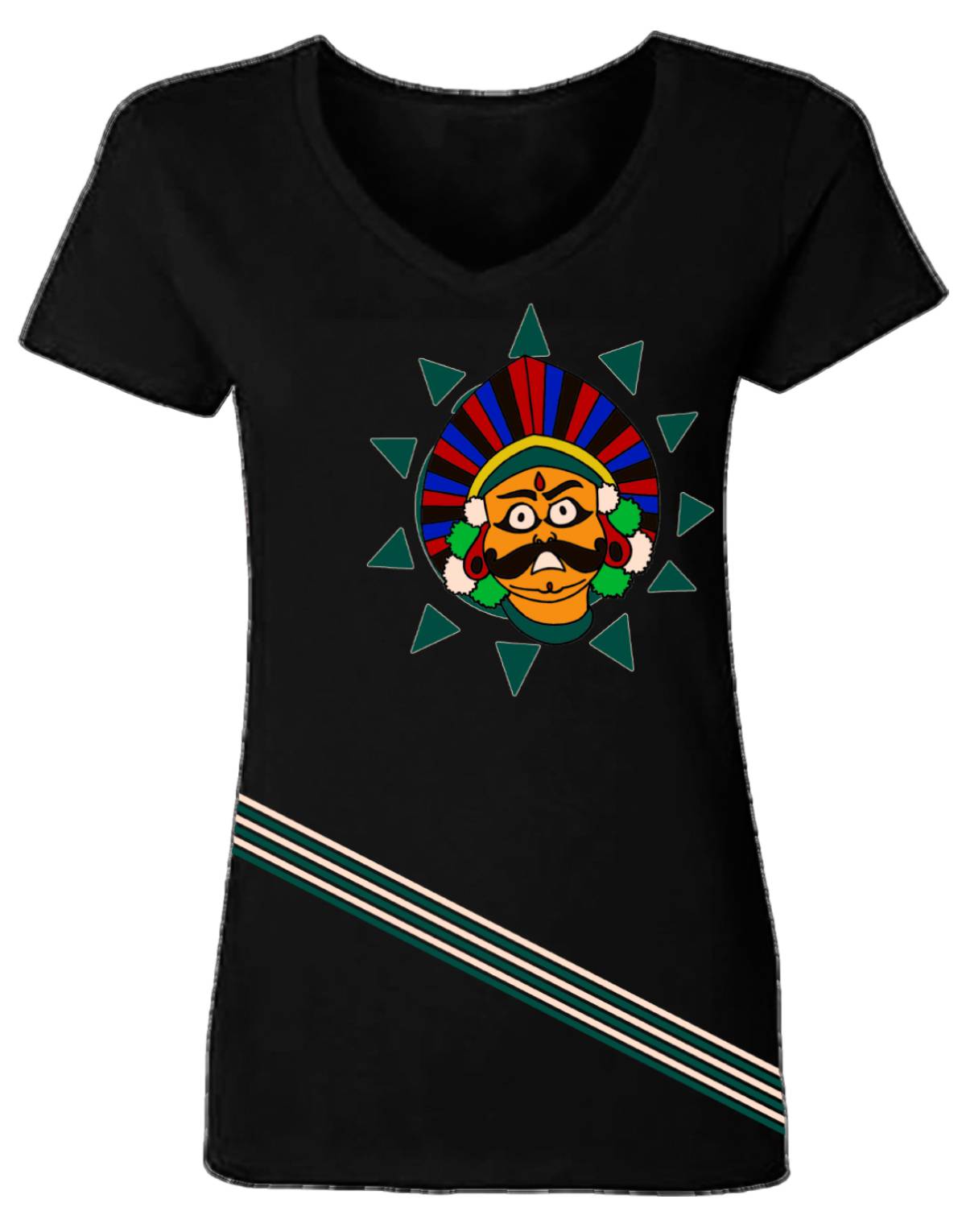
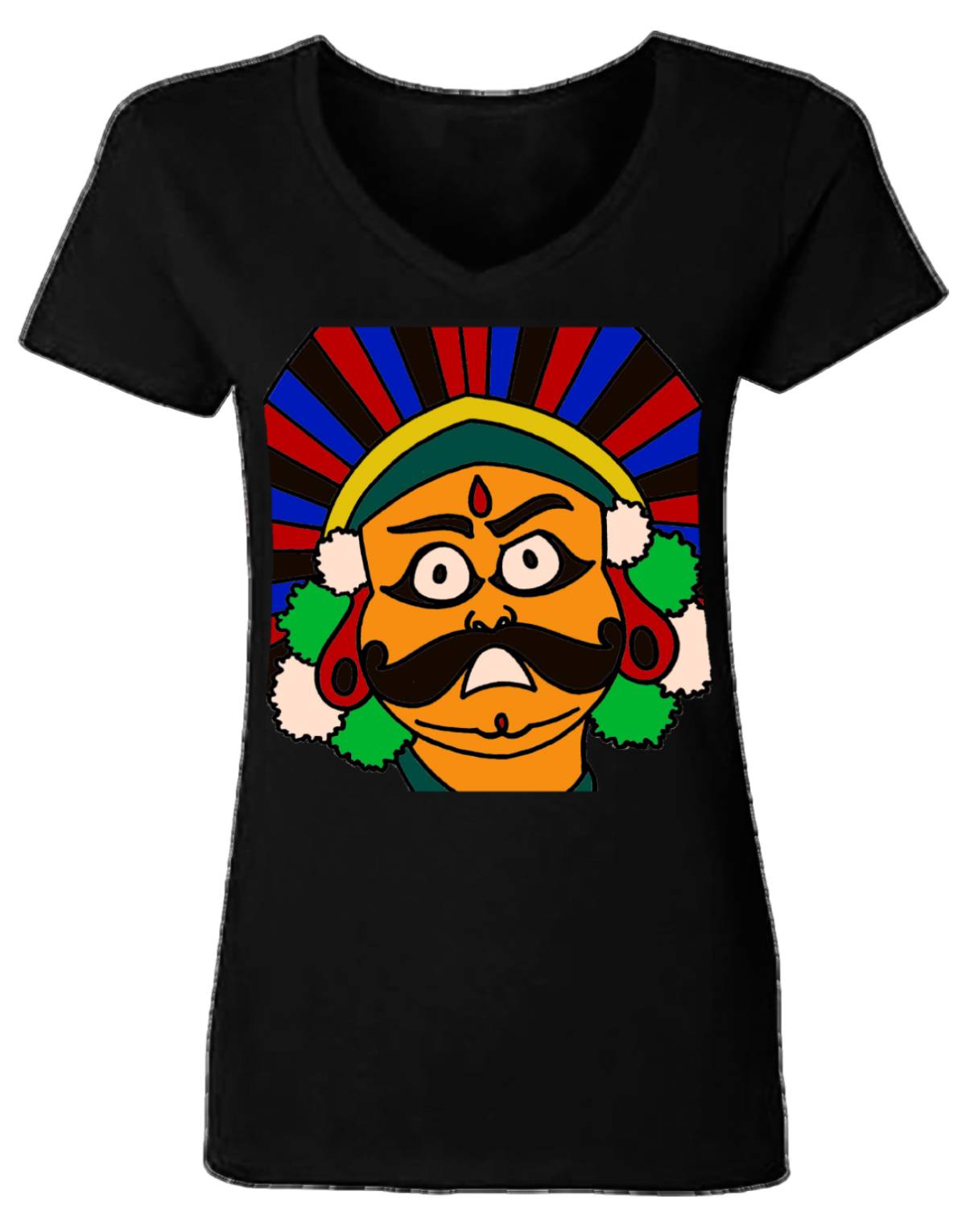
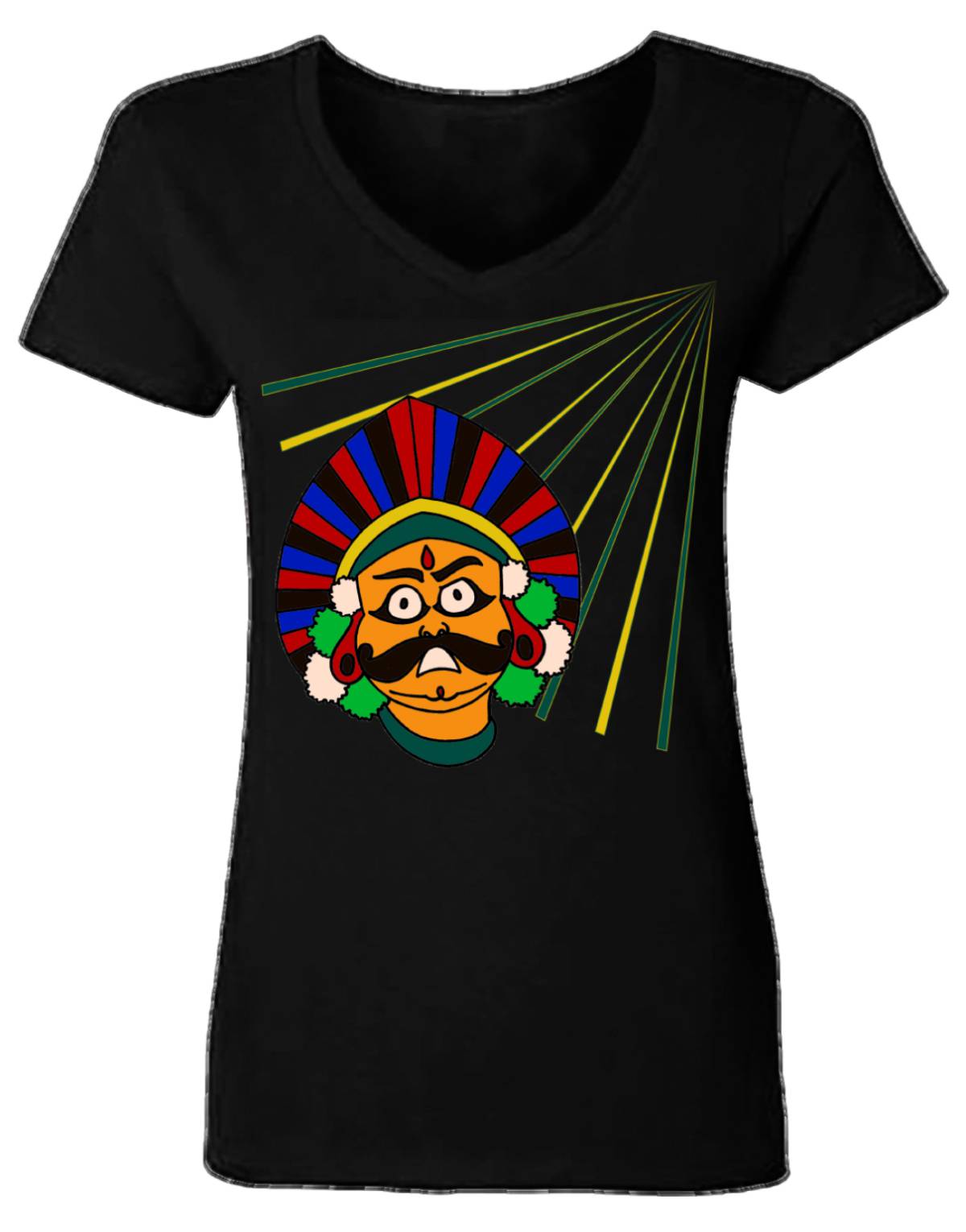
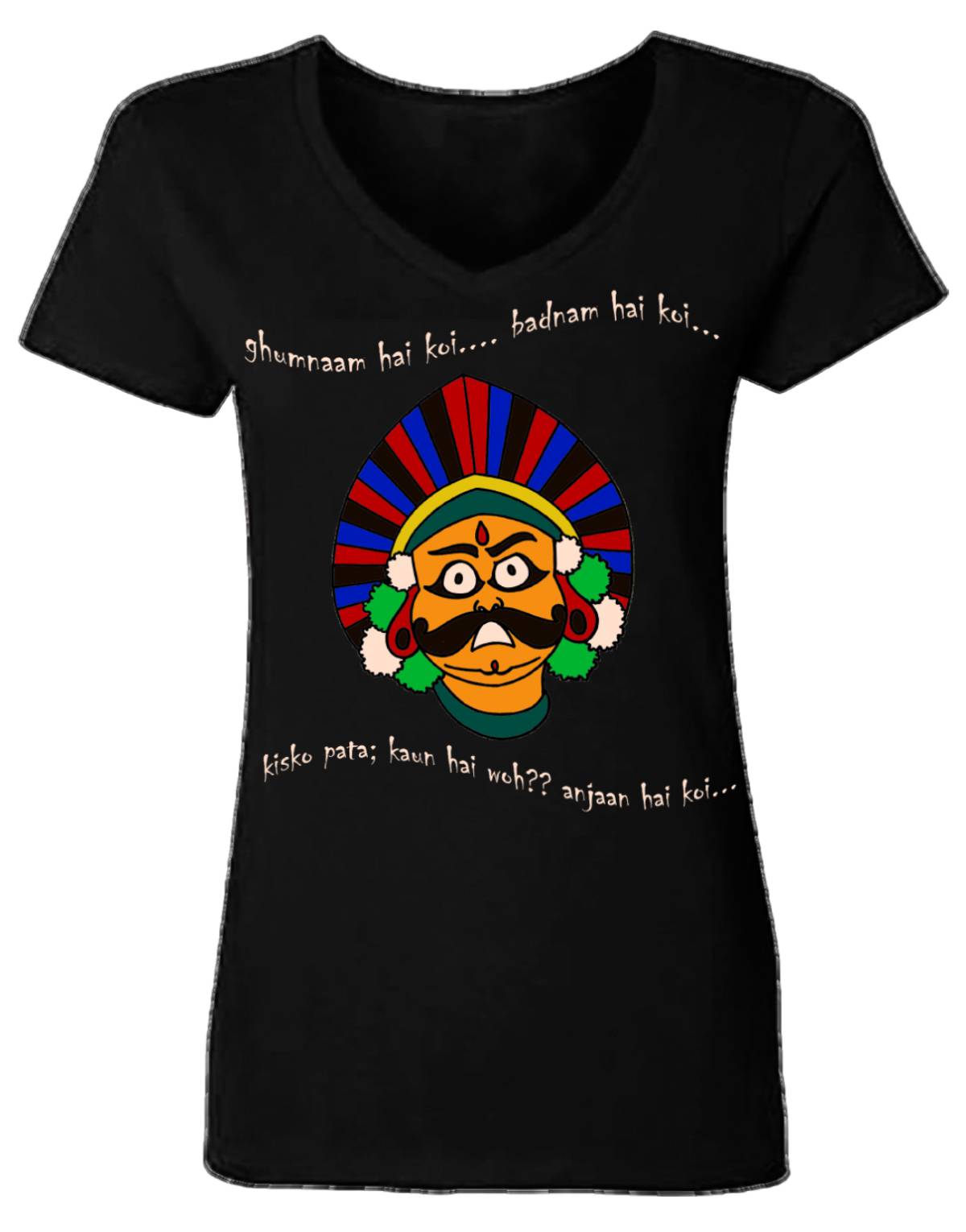
FEARFUL – SCARED – FRIGHTENED